
Hire Java developers who build new backend services and take monoliths apart

Hire Java developers who know how to change code that already earns money. We present matched candidates within 7 days of your request.

Abstract 3D illustration of three heavy white stepped tiers, an orange block set into the middle tierAbstract 3D illustration of three heavy white stepped tiers, an orange block set into the middle tier

SERVICES

What Java work are you hiring for?

A Java developer from us joins your team, works under your tech lead and commits to your repositories through your code review. We source and vet the candidates and send a matched shortlist. You interview each one, and nobody touches your code until you agree.

Adding one Java engineer to a team you already run is staff augmentation, and the engineer works in your process and tools. Handing over the whole build, with the team, QA and release on our side, is end-to-end software development.

New backend services and APIs

Spring Boot services and the REST API other teams build against. Service boundaries and the data model drawn in month one are the hardest things to change in year three.

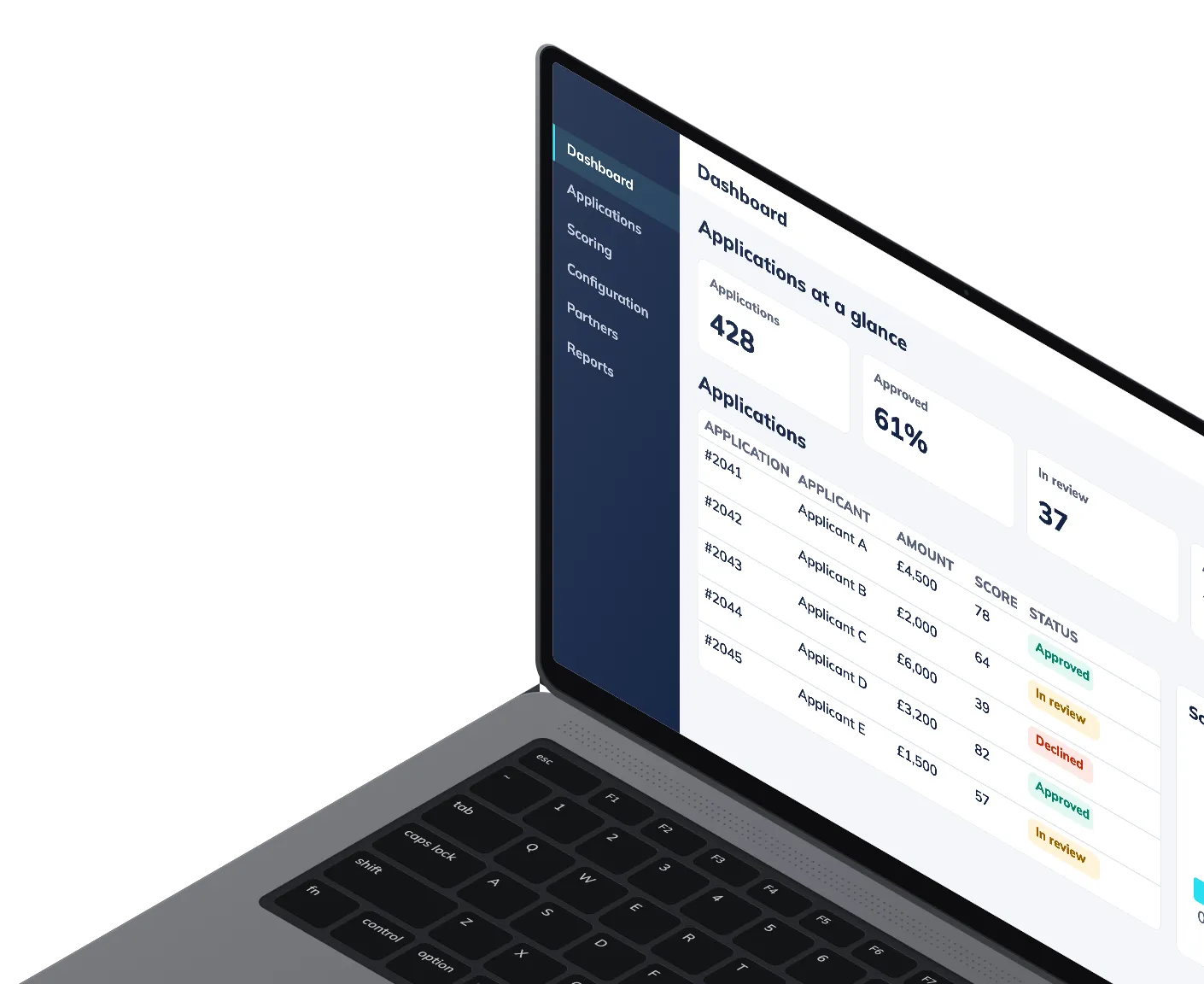
One of ours is a fintech startup's lending platform in Java, which scores applicants on Open Banking data.

A module in your codebase

Taking over a Java EE / Jakarta EE or Spring module and its data layer: Hibernate mappings, the SQL behind them, the Maven build. The first job is JUnit tests around the code as it behaves today.

We also take a module up to a current Java LTS and a current Spring Boot release, including the javax to jakarta package move.

Monolith into microservices

Pull out the part that hurts first, as Spring Cloud services, where the design allows. The rest keeps running while it waits its turn.

The services are the easy half. Splitting the database under them is the real work.

Enterprise integrations

Java services that talk to what you already run, over REST, Kafka or a vendor's web services. Old SOAP endpoints too. Someone has to read the WSDL.

Need more than one Java engineer?

Add engineers one at a time, or have us run a dedicated Java team while you keep setting the priorities.

CASE STUDIES

Java systems we built, took over and modernized

An eHealth backend and the patient portal built on it

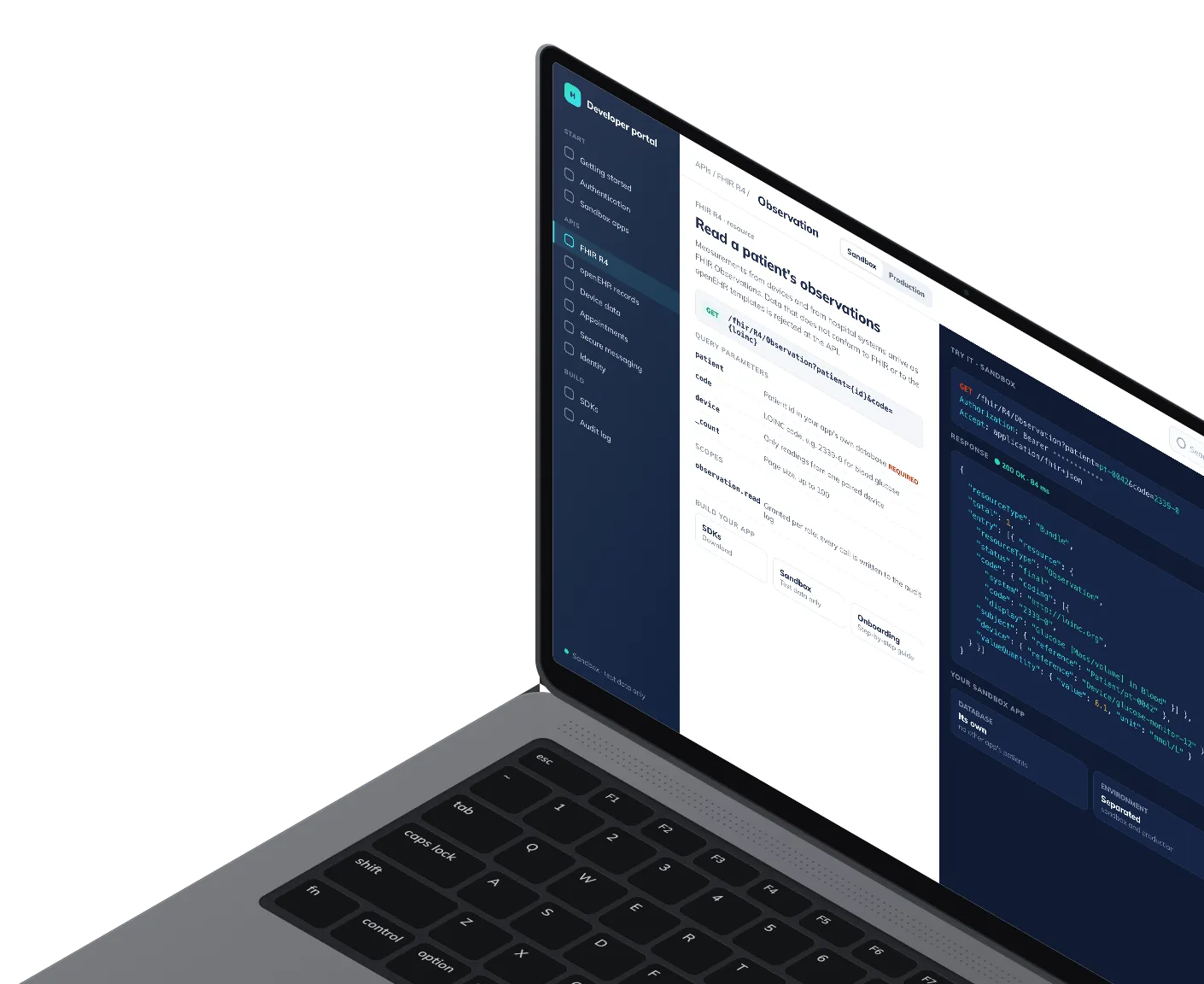
A Dutch provider had us build the white-label eHealth platform in Java, Spring Boot and HAPI HL7 FHIR R4, then came back to add a portal for patients and doctors on top of it. The platform passed ISO 27001, NEN 7510 and MedMij certification. Those certificates are the client's, and our part in the audits was preparing the evidence. Building the portal there kept patient data on a platform that had already passed all three.

A loan platform's monolith broken into microservices

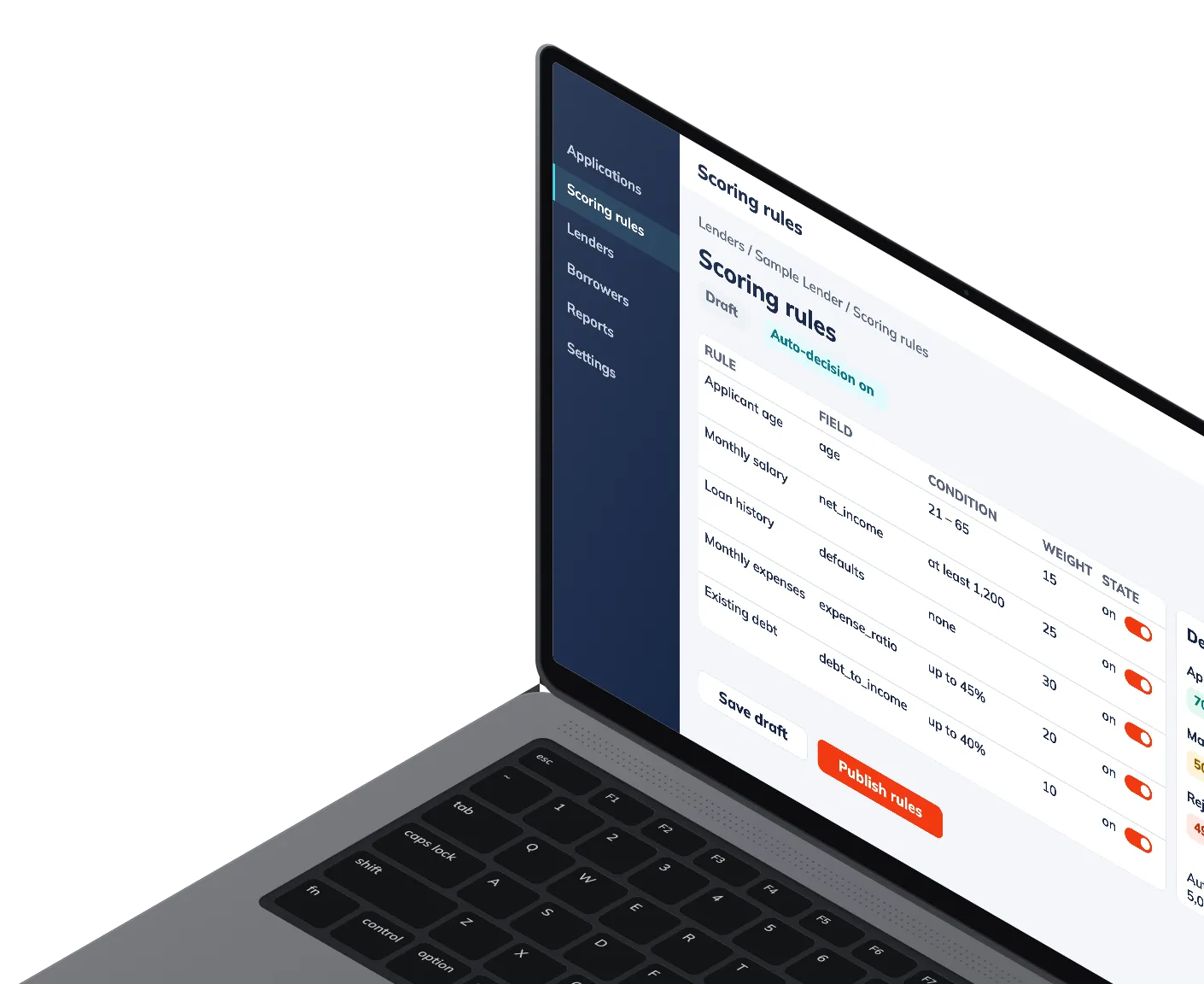
For an Estonian loan management software provider, scoring was the bottleneck, because each new lender's criteria had to be coded by developers. We moved the rules into the interface, where the client's staff adapt them to each lender, and split the monolith into microservices. Rolling out a new partner is now 67% faster.

5+ years on a call center console and its Java 7 to 21 move

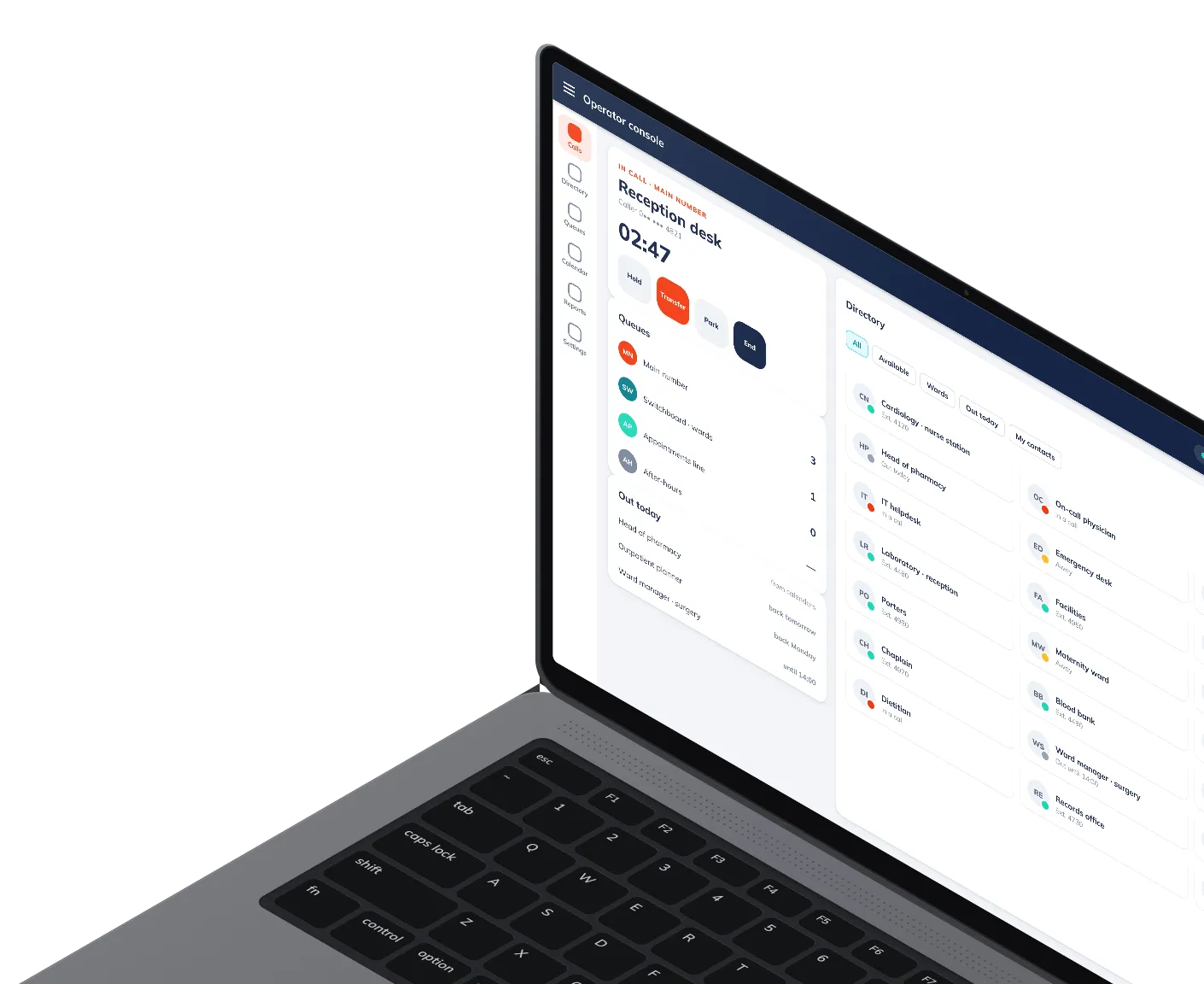
We took over a browser-based operator console in Java and Spring Boot mid-project and ran its development and support for 5+ years. It handles calls from more than 100,000 callers. Its move from Java 7 to Java 21 took 8 months, the new screens running beside the old so operators kept working, and performance across loading, rendering, call pickup and event triggers is more than 8x better.

More than 50 service workflows moved into Camunda

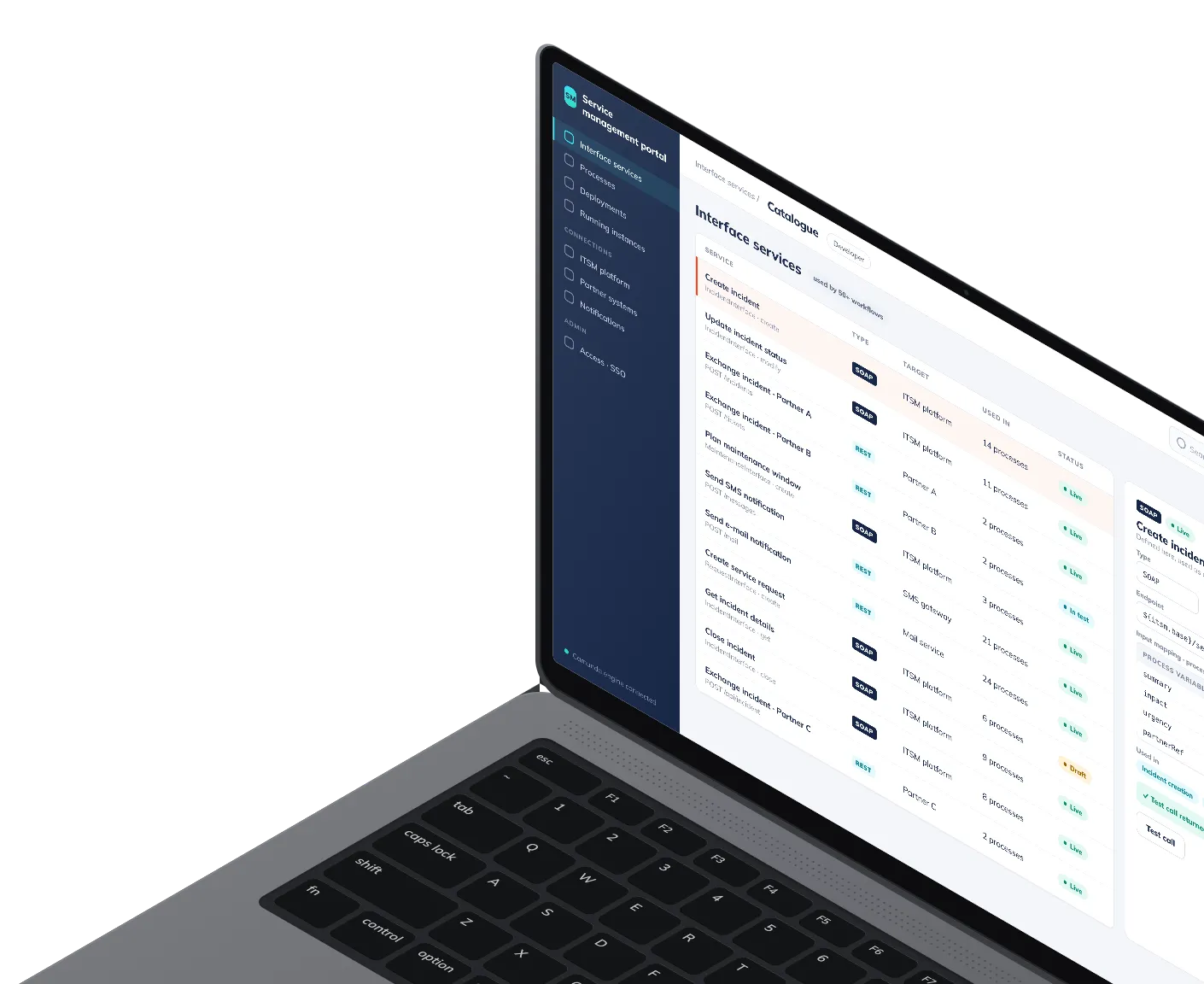
We built Java services in a service management portal for a telecommunications provider and moved more than 50 workflows into Camunda over a two-year program, with a delivery every month. In the React portal, developers define SOAP and REST interface services and drop them into Camunda processes. The ITSM platform stays the system of record while Camunda runs the workflows, so the platform can be upgraded with less risk of breaking custom logic.

Billing from about a working day to a run of minutes

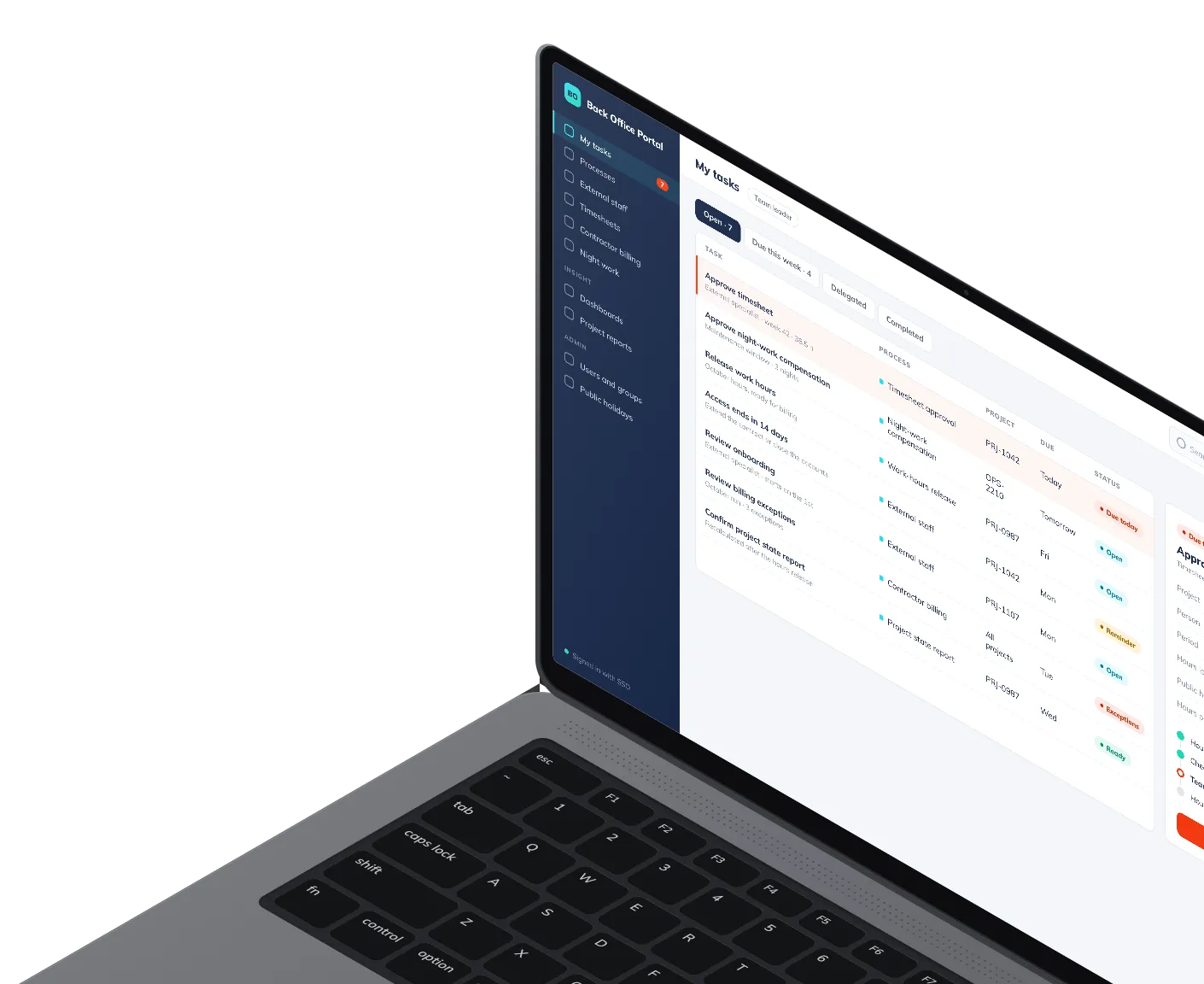
An IT services and consulting company ran its own back office on spreadsheets and chat threads. We built the Camunda backend of an internal back-office portal in Java and Spring, with Node.js services for the integrations and the screens in React. Over about 18 months, more than 40 of the company's processes moved into BPMN workflows. Monthly contractor billing, once collected and checked by hand, is now a run of minutes plus a review of exceptions.

Abstract 3D illustration of one white server block linked by cables to a phone, a workflow chart and a video frameAbstract 3D illustration of one white server block linked by cables to a phone, a workflow chart and a video frame

TECHNOLOGIES

Tools our Java developers work with

Java

Spring Boot

Spring Cloud

Hibernate

JUnit

Maven

Apache Tomcat

Java EE / Jakarta EE

Eclipse

PostgreSQL

VETTING

Three checks every candidate passes first

All three happen before anyone reaches your shortlist. Some roles also get a live coding interview, where the candidate writes code and talks through it. A background check, which confirms the CV is genuine, runs when a client asks for one.

Spring on a CV can mean one controller or a whole platform. On a Java role the technical test covers Spring, Hibernate and the SQL under them, as far as the CV lists them. Leads, seniors and mid-level engineers are tested a bit differently.

Technical skills assessment

Each language and framework on the CV, tested at the seniority the candidate claims.

Soft-skills evaluation

Whether they explain a decision clearly in English, and how they take feedback and work in a team.

Job-history analysis

We read the CV for which roles, on which kinds of systems, and for how long.

BY THE NUMBERS

7 years

Average experience, company-wide

80%+

Senior-level or above, company-wide

50+

Projects delivered by our team

JAVA CASE STUDIES

Which Java project is closest to yours?

Tell us which one when we talk. A new platform, a monolith being split and a console stuck on an unsupported Java version each call for a different engineer, and the project you name tells us whose CV belongs on your shortlist.

Healthcare

From an idea to a white-label eHealth platform

Developer portal of the eHealth platform shown on a laptop: FHIR R4 Observation docs with query parameters and a sandbox request returning a blood glucose reading

PROCESS

How does hiring through us work?

Each step shows its usual time. What we commit to is presenting matched candidates within 7 days of your request. A team that needs more than Java can draw on the other languages and frameworks we staff.

  1. STEP 1

    Requirements

    Your tech lead walks us through the role, the codebase and its Java version, and the people the new engineer will work with.

    1 day

  2. STEP 2

    Candidate matching

    We pick vetted engineers whose stack and seniority fit the role and send you a shortlist with each one's background.

    1–2 days

  3. STEP 3

    Your interview

    You talk to each shortlisted candidate, ask whatever you like about Java or your system, and choose who joins.

    1 day

  4. STEP 4

    Onboarding

    Contracts, security and access to your repositories and tools are settled before the engineer touches any code.

    1–2 days

TERMS OF WORK

Engagement models and terms

Staff augmentation

Our engineers join your team and work in your process and tools. You manage them; we source, vet and contract them.

Hourly rate per engineer by role and seniority, invoiced monthly.

  • If an engineer isn't the right fit, we replace them within 14 days at no extra cost.
  • Knowledge transfer to the replacement engineer isn't billed.
  • There is no free trial period.
  • 30 days' notice to take an engineer off or end the engagement, with no minimum term beyond it.
  • Out-of-hours on-call only if agreed with you; we set its hours and billing together.
  • After two years, moving an engineer onto your own staff is something we can discuss.

Managed team

An agreed team capacity that we manage. We coordinate delivery and handle the team's make-up. You set the priorities and own the backlog.

Per-engineer rates, or a fixed monthly fee for the agreed capacity.

  • We handle replacements ourselves, and the team keeps its agreed capacity and pace.
  • Engineers work full-time for your team only.

Whichever model you choose

  • We reply to an inquiry from the contact form within 24 hours.
  • We sign an NDA before work starts, and IP passes to you on payment.

What is the Java system you can't switch off?

"The Java code people call legacy usually pays the salaries. The best change to it is the one nobody outside the team notices."

Dzmitry Kuchynski, Chief Operating Officer, Octalance

FAQ

What buyers ask us before signing

What does a Java engineer cost, and how is it billed?

Engineers you manage are billed by the hour; a team we manage, per engineer or at a fixed monthly fee. A project is a fixed price per milestone after discovery, or time and materials against an estimate. The bill grows with the number of engineers, not with the age of your code. Rates are agreed per client, and the Engagement models and terms section on this page compares the models.

How soon can an engineer start on our code?

We present matched candidates within 7 days of your request. It can happen sooner, but that isn't guaranteed. The start comes after your interview and the paperwork, and part of the timing depends on how quickly access is set up on your side.

Who owns the code the engineers write?

You do. IP passes to you on payment. The code usually lives in your repositories, sometimes in ours. Ending an engagement includes a routine transition out.

Can you take over a Java codebase someone else wrote?

Yes, in two ways. An engineer who joins your team picks the code up under your tech lead, like any new hire. If you want us to keep it stable, we start with an audit of the code, its dependencies and the deploy and release setup, noting the tests and documentation that are missing. You get a written findings list with what we would fix first.

Can you modernize a running Java system without a freeze?

Where the design allows and your requirements agree, yes: we move it part by part, and each cut-over has a rollback or fallback path in case the switch fails. On a product information management (PIM) system we replaced the Adobe Flex front end with Angular on its Java back end, and the old and new versions ran side by side with no downtime. A Java application that works may need far less modernizing than you expect. Sometimes the right call is to leave most of it alone.

How much of our working day will the engineers share?

UK and EU clients share the full CET/CEST working day. For a US team we arrange 4+ hours of daily overlap with the West Coast, and more with the East Coast, by choosing where the engineer is based and shifting their schedule. We don't run night shifts, so cover isn't round the clock.