



QA outsourcing for teams that ship often with nobody free to test

QA outsourcing comes as a test automation project or as testers who join your team. Each tester is vetted on a hands-on testing task.

Abstract 3D illustration of a white stack and a block of rounded shapes, with small half-rounds, one in the accent colorAbstract 3D illustration of a white stack and a block of rounded shapes, with small half-rounds, one in the accent color

WHO IT FITS

When does outsourcing QA make sense?

An outside team takes over part or all of your software testing. That can be a project with an agreed scope, such as building a regression suite, or testers who join your team and work in your process. It fits when releases wait on testing, or when the product has no QA function yet.

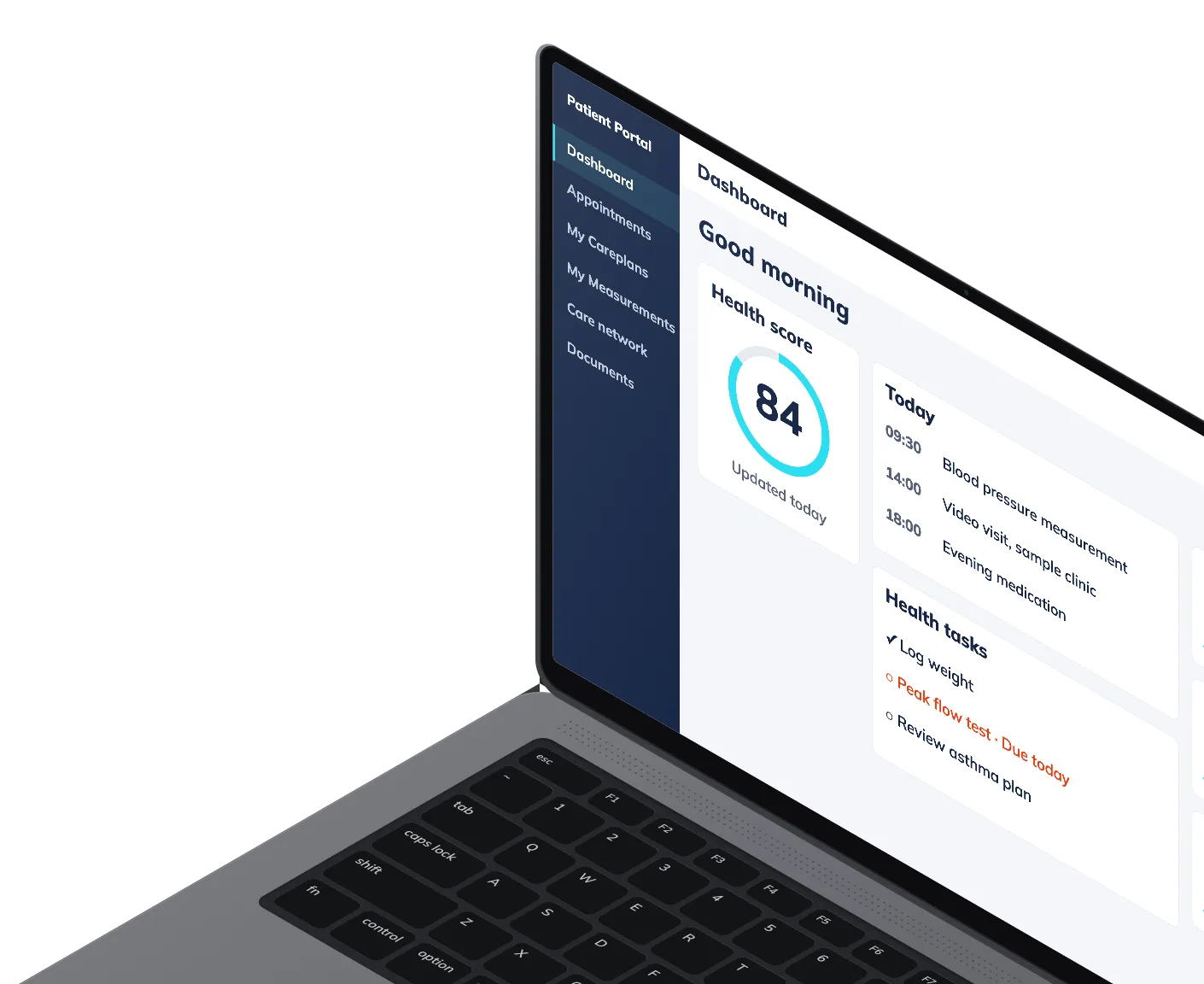
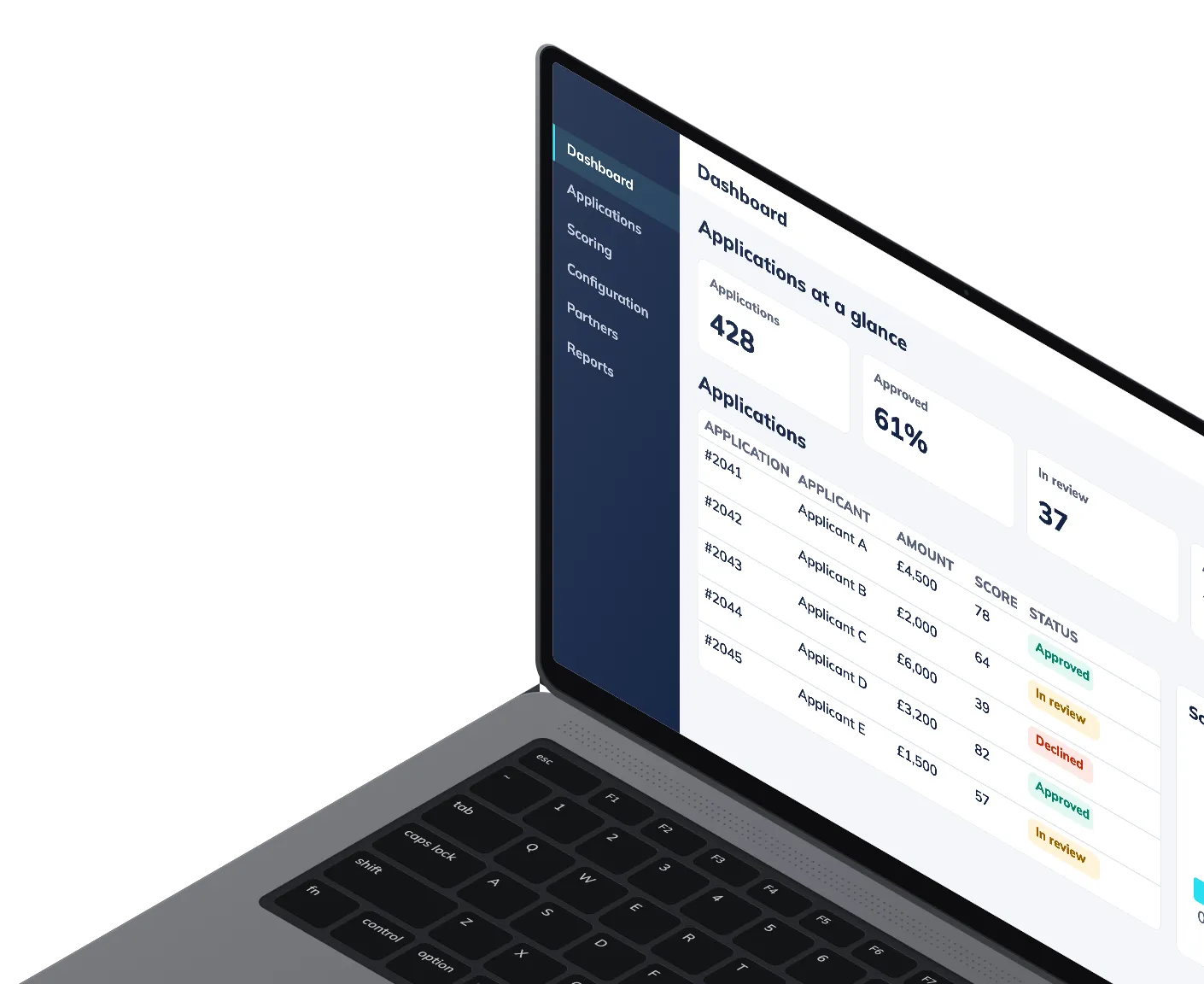
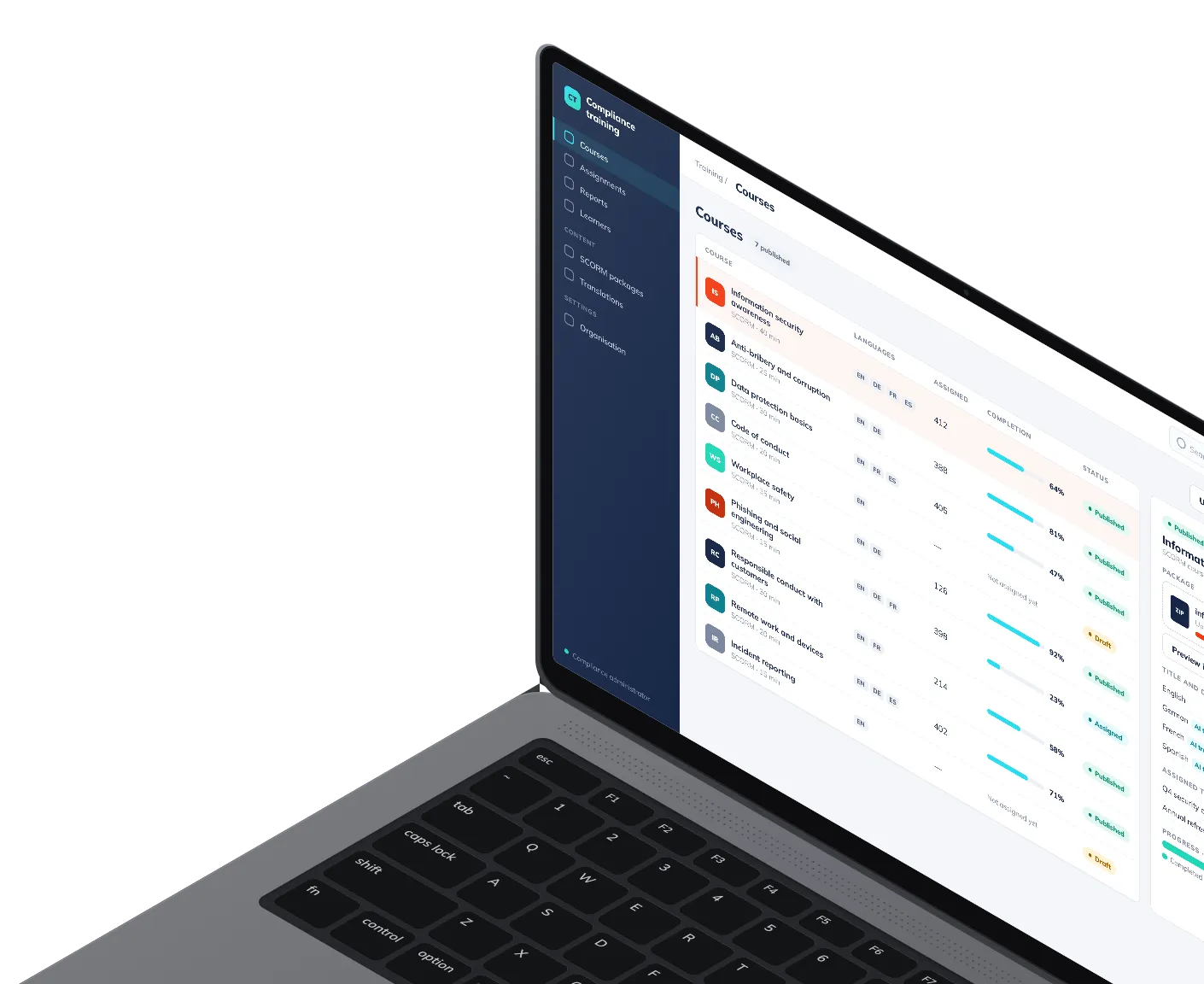
Manual QA was part of every project in our case studies, healthcare, fintech, retail and HR tech among them. Automated QA also ran on the patient portal and a fintech startup's fair lending platform. On the training module we built for a compliance software company, the automated integration and end-to-end tests ran on synthetic data. If you have no QA lead to direct testers, start with a test automation project, or take testers as a managed team, which we run while you set the priorities. Testers who join your own team report to your lead.

Keep QA in-house when testing depends on knowledge only your own people hold, such as pricing rules nobody has written down, or when your QA staff already have spare capacity. Outsourcing then adds a handover and saves you nothing.

Abstract 3D illustration of a white dome joined by a chain of blocks to a cluster of rounded shapes, one block in the accent colorAbstract 3D illustration of a white dome joined by a chain of blocks to a cluster of rounded shapes, one block in the accent color

MANUAL OR AUTOMATED

Manual or automated testing: which do you need?

Manual testing fits work that keeps changing

Choose manual testing when the interface changes every sprint, when you want exploratory sessions or usability feedback, when business users sign off in UAT, and for accessibility checks done by hand. A tester's judgment finds problems a script was never told to look for. If you'd rather have people than a project, our manual QA engineers can join your team.

Automation fits journeys you re-run every release

Automate the stable journeys that must pass before every release: login, checkout, account changes. Most checks belong at the API level, where tests run fast and rarely flake. Keep browser tests for the few journeys that must work end to end. If nobody on your side has time to build the suite, QA automation engineers from our team set it up in your own codebase.

Most products need both

The usual shape is automated regression checks on the core journeys and testers on new features, exploratory work and UAT. The split moves as the product matures. Early on, manual testing carries most of the load. Once journeys settle, they move into the suite one by one.

Not sure yet? Start with your release process

Tell us how you release today, what breaks and who tests it now, and we'll suggest a split and the model that fits it. A test automation project starts with a review of your current test coverage, which shows what is worth automating in your own product.

Abstract 3D illustration of a column of white rounded pieces, some apart and some joined, with one piece in the accent colorAbstract 3D illustration of a column of white rounded pieces, some apart and some joined, with one piece in the accent color

TESTING TYPES

What we test

Our software testing services cover web and mobile apps and the APIs behind them, by hand and with automated suites. We wire the suites in as tests in the CI/CD pipeline, so every build is checked before a change reaches your users.

On our projects, code written with AI tools is reviewed by another AI agent and then by a human engineer before merge. That review is part of our AI-augmented engineering practice, and our testers test the code like any other.

Web and mobile app testing

Checks that each feature does what the spec says, on the browsers and devices your users have, by hand and with automated end-to-end suites for web UI, iOS and Android.

Manual cross-browser and real-device checks run in BrowserStack.

Regression and exploratory

The bugs no test case was written for turn up in exploratory sessions. Regression runs before each release, automated where the journeys are stable.

Testers also smoke-test new builds and review flows for usability problems from a user's point of view.

API and integration testing

A failing endpoint breaks every screen that calls it. APIs get manual checks against the spec in Postman, and automated API and integration tests in REST Assured or Postman with Newman.

User acceptance testing

Sign-off should rest on how people really use the product, so we write the acceptance scenarios and run them with your business users.

Accessibility checks

People who navigate by keyboard or screen reader hit problems a mouse never shows. Our testers check by hand against WCAG and file each issue as a bug your developers can reproduce and fix.

Performance and load testing

A launch or a sale will bring your peak traffic sooner or later. Load tests in JMeter, k6 or Gatling show how response times hold as traffic climbs, and where the system starts to fail.

Tell us what you need tested

Send the product, the platforms it runs on and how you release today, and we'll suggest where testing should start.

HOW ENGAGEMENTS WORK

Engagement models and terms

Project delivery

We deliver an agreed scope end to end: plan, team, milestones, QA and release. You make the product decisions and accept each milestone.

Fixed price per milestone after discovery, or time and materials against an estimate.

  • Scope changes go through change requests.
  • On fixed-price projects, a warranty period agreed in the contract, usually 30–60 days.

Managed team

An agreed team capacity that we manage. We coordinate delivery and handle the team's make-up. You set the priorities and own the backlog.

Per-engineer rates, or a fixed monthly fee for the agreed capacity.

  • We handle replacements ourselves, and the team keeps its agreed capacity and pace.
  • Engineers work full-time for your team only.

Staff augmentation

Our engineers join your team and work in your process and tools. You manage them; we source, vet and contract them.

Hourly rate per engineer by role and seniority, invoiced monthly.

  • If an engineer isn't the right fit, we replace them within 14 days at no extra cost.
  • Knowledge transfer to the replacement engineer isn't billed.
  • There is no free trial period.
  • 30 days' notice to take an engineer off or end the engagement, with no minimum term beyond it.
  • Out-of-hours on-call only if agreed with you; we set its hours and billing together.
  • After two years, moving an engineer onto your own staff is something we can discuss.

Whichever model you choose

  • We reply to an inquiry from the contact form within 24 hours.
  • We sign an NDA before work starts, and IP passes to you on payment.

PROCESS

How a test automation project runs

A test automation project ends with a regression suite running in your CI and sitting in your repository, yours to extend. Testing can also come inside a larger build, as QA inside project delivery, where QA is part of the agreed scope.

  1. STEP 1

    Review your current test coverage

    We look at what is tested today, by hand and automatically. Then we agree which journeys the suite will cover.

  2. STEP 2

    Choose the framework

    We pick a framework in a language your developers already use, such as Java, TypeScript, Python or C#, so they can maintain the suite after handover. Or we extend the one you have.

  3. STEP 3

    Build the regression suite in your repository

    We automate the agreed user journeys as a regression suite that lives in your repository.

  4. STEP 4

    Wire it into CI and set up reporting

    The suite runs in your pipeline, in GitHub Actions, GitLab CI or Jenkins, and every run produces a test report your team can read.

  5. STEP 5

    Hand over to your team

    We hand the suite to your team. The aim is that they can add a test, read a failure and fix a flaky step without calling us.

VETTING

How we vet the testers who work on your product

Three steps before a tester reaches your shortlist

Every candidate goes through three steps: a technical skills assessment of the languages and tools they claim, a soft-skills evaluation of their English, teamwork and how they take feedback, and an analysis of their job history, which is our check of the CV. A background check is added only when a client asks for one.

Manual testers: a practical testing task

A manual QA candidate writes test cases from a requirements document, runs an exploratory session on a sample app and files bug reports. We judge them on clarity and on whether each bug can be reproduced from its report. Their live step is a testing session in place of live coding. For testers added to your team, you can ask to see those test cases and bug reports before you interview.

Automation testers: a flow to automate

Automation candidates go through our standard developer vetting, live coding included. In the practical part they automate a given flow against a sample app or API. We judge selector stability, suite structure, how they handle a flaky step and how they wire the suite into CI.

Experience across our engineers

Our engineers, testers included, average 7 years of experience, and 80%+ are senior level or above. Some of our testers are ISTQB-certified.

Abstract 3D illustration of a row of white rounded blocks rising toward an accent-colored ringAbstract 3D illustration of a row of white rounded blocks rising toward an accent-colored ring

TOOLS

Our QA and test automation tools

Jira

TestRail

Postman

BrowserStack

Selenium

Playwright

Cypress

Appium

REST Assured

JUnit

TestNG

pytest

JMeter

k6

GitHub Actions

Jenkins

CASE STUDIES

Projects in healthcare, fintech and compliance

Each case page follows one build, from the problem the client brought to the choices we made along the way. The pages are about the product more than its testing. Start with the one whose users look most like yours.

Start with the scope of your QA work

"Fresh eyes find the bugs a team has learned to walk around. An outside tester also gives your engineers back their time."

Dzmitry Kuchynski, Chief Operating Officer, Octalance

FAQ

Questions to settle before you outsource QA

How quickly can testers join us?

We present matched candidates within 7 days of your request. It can happen sooner, but that isn't guaranteed. Those 7 days cover finding and presenting testers. You interview them before anyone starts, and contracts and access follow once you've chosen.

What moves the price of testing?

Mostly how many testers you use, and the model: hourly for testers on your team, per milestone or time and materials for a project. The manual-to-automated split changes the shape of the cost, because automation takes its effort up front while manual testing is a steady monthly line. Rates are agreed per client, and the pricing basis for each model is under Engagement models and terms on this page.

Who owns the test suite, and can we run it without you?

You do. The suite is written in your repository, and IP passes to you on payment. It is built on open-source frameworks such as Playwright, Cypress or Selenium, so your own engineers can run and extend it with no license from us.

Can your testers work in our tools and process?

Yes. Testers added to your team work in your Jira and follow your process. They keep test cases in TestRail, Zephyr or Xray, whichever you already use, check APIs in Postman and run manual real-device checks in BrowserStack. Automated suites run in your own pipeline, whether that is GitHub Actions, GitLab CI or Jenkins.
Which hours will testers work for a US team?

We choose the location and shift the schedule to match your hours. For a US team we can arrange 4+ hours of daily overlap with the West Coast, and more with the East Coast.

Do you have QA case studies?

No published case is written up as a QA engagement, and none carries a QA metric of its own. To judge our testers before you sign, look at how we vet them and ask us about the testing your product needs.

Do you do security or penetration testing?

No. Security and penetration testing isn't part of our QA offer. Our testing covers how the product behaves for its users: features, APIs, accessibility and load.