

Hire iOS developers for your existing Swift app or new SwiftUI builds

When you hire iOS developers with us, you choose from candidates matched to your Swift work and device features, presented within 7 days.

Abstract 3D illustration of a white rounded slab fitting into an existing stack of blocks, one block in orangeAbstract 3D illustration of a white rounded slab fitting into an existing stack of blocks, one block in orange

NATIVE OR SHARED CODE

Native Swift, one codebase or two apps?

The route depends on which platform your users start on.

Native Swift and SwiftUI

Native fits when the device is the product: the camera, sensors, a Bluetooth accessory, work that runs in the background, or an interface that should feel like Apple's own apps. Swift reaches those APIs directly, and SwiftUI follows the platform's conventions without a third-party layer in between. When you assess a Swift candidate, look past the language. Ask how they use async/await to load data while the screen stays responsive, and what turning on Swift 6's data-race checks took in a codebase they worked on. Then ask what they know of the platform rules: how an app asks for permissions, what it may do in the background, and what App Store review expects before a release.

One codebase on both platforms

Two stores and mostly identical screens make a fair case for one codebase. Flutter specialists suit a product that wants the same look everywhere, and React Native specialists a team whose web app is already in React. The native parts don't vanish. A camera pipeline or an accessory link usually still needs some Swift behind it.

Two native apps side by side

A separate app per platform costs more, since each has its own engineers and its own release rhythm. It earns that cost when the two apps differ in what they do, or each platform has its own product owner, and we place Android engineers for the other platform beside your iOS hire. For an iOS-first product, our advice is to start native and decide on Android when its users start asking. A discovery phase settles the route before a team is committed, and our architect writes down the reason for each choice.

Abstract 3D illustration of white blocks dividing into three paths, one path in orange, for the choice of app routeAbstract 3D illustration of white blocks dividing into three paths, one path in orange, for the choice of app route

IOS WORK

What will your iOS engineer work on?

Send us a short brief: the role, the seniority and the Swift or SwiftUI work. We match iOS engineers who join your team from candidates who passed our three vetting steps. You interview them, and nobody starts until you say yes.

If you want the engineers managed for you while you keep the backlog, ask for a dedicated iOS team. If nobody on your side will direct the work and the app itself is the job, we take on mobile app development for iOS as a project, discovery first.

A new app in Swift and SwiftUI

With no old code to fit around, you set the structure yourself. We'd use SwiftUI for the screens and async/await for the network layer.

Agree the minimum iOS version on day one. It decides who can install the app and which SwiftUI features you can use.

An app you already run

Your engineer starts with the crash reports and the release history, then the parts of the code you plan to change.

A screen that works and nobody touches can stay as it is for years. New features can be built in SwiftUI next to it, inside the same app.

Release to the App Store

Where release is part of our remit on a project, we prepare the store builds and take the app through review. Some clients submit it themselves.

Keeping a live app current

Fixes, updates and small improvements by priority, on a schedule shifted to your hours. CET/CEST is the default. Apps built elsewhere start with an audit.

Apple ships a new major iOS version every year, so part of the job is testing the app on the beta before your users update.

Is your app new, or years into its life?

Tell us how old the code is, how much of it is SwiftUI and which device features it uses. It shapes the shortlist more than a job title.

CASE STUDIES

Swift apps we have built

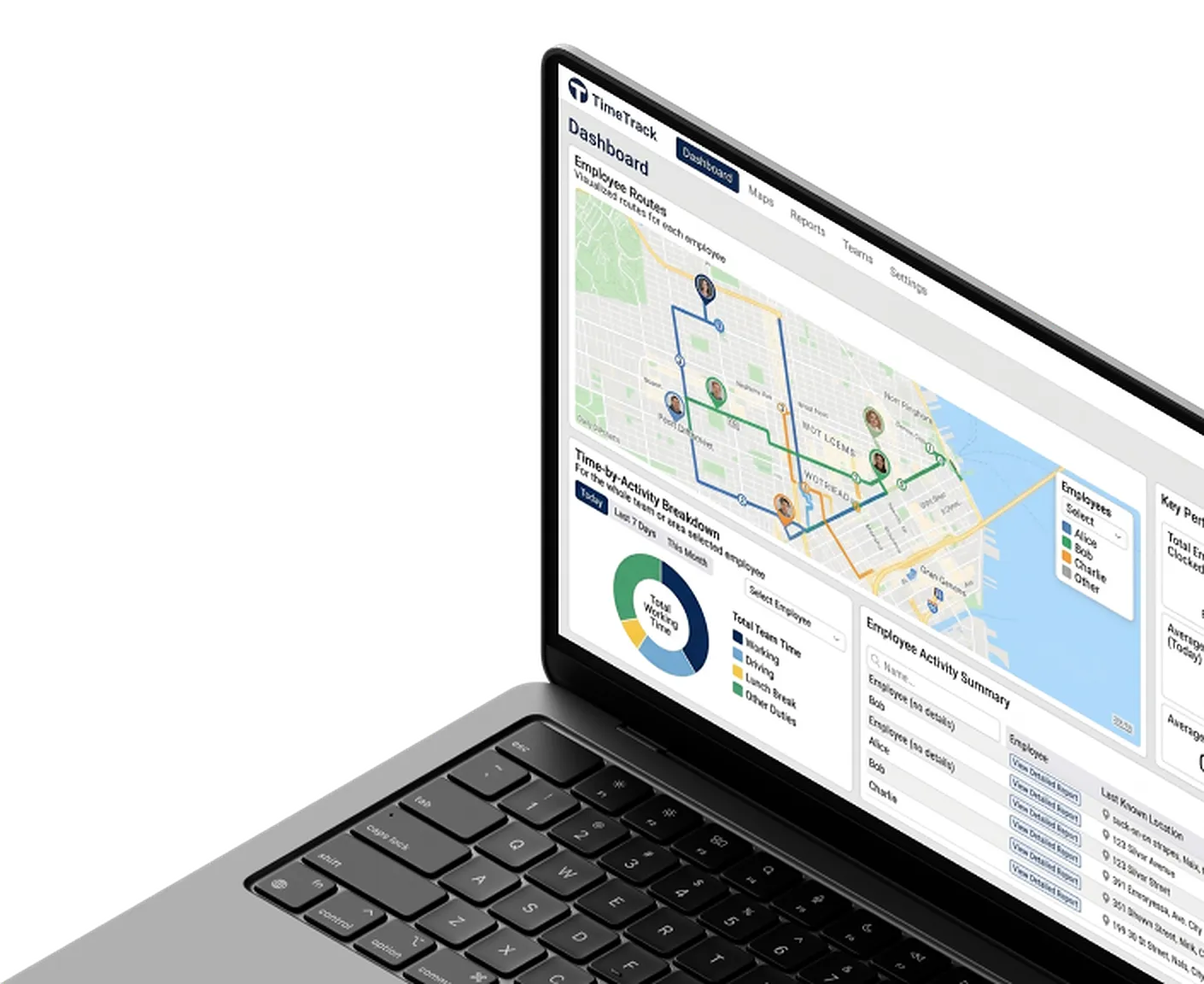
For a global managed staffing company, we delivered the iOS app of a time-tracking suite around PeopleSoft, in Swift, beside an Android app in Java. Our client's employees record an entry 40% faster in the apps than in PeopleSoft's own screens.

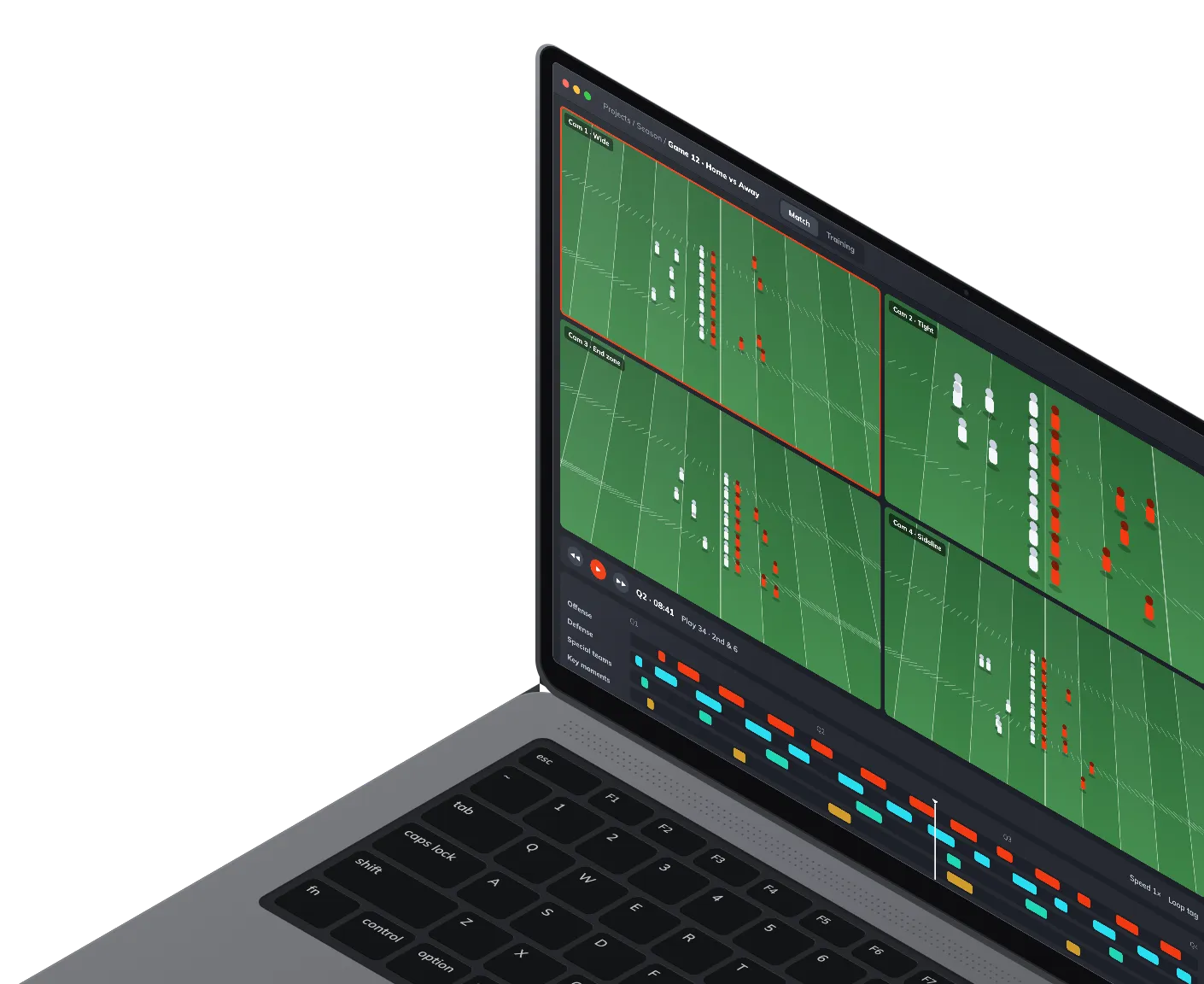
For a company in football, we built four Apple apps on one Java backend. A Mac streams the camera feed over HTTP Live Streaming, staff tag key moments on an iPad, and coaches jump straight to them. Searching for those moments takes up to 75% less time.

PROCESS

How an iOS engineer joins your team

These are usual times. The commitment is matched candidates within 7 days of your request. Your calendar sets the pace of the interview step, so hold a few slots open. For other stacks we place vetted engineers across technologies.

  1. STEP 1

    Agree the role and the app

    We agree the seniority, the Swift and SwiftUI work and the device features the app depends on.

    1 day

  2. STEP 2

    Shortlist from vetted candidates

    We shortlist vetted engineers whose experience fits the work you described.

    1–2 days

  3. STEP 3

    Your interviews

    You interview the candidates you pick and can turn any of them down. Our technical interview and live coding can be part of your selection, with full visibility.

    1 day

  4. STEP 4

    Contracts and access

    Contracts get signed, then your team and ours set up security and access.

    1–2 days

HOW WE WORK

Engagement models and terms

Staff augmentation

Our engineers join your team and work in your process and tools. You manage them; we source, vet and contract them.

Hourly rate per engineer by role and seniority, invoiced monthly.

  • If an engineer isn't the right fit, we replace them within 14 days at no extra cost.
  • Knowledge transfer to the replacement engineer isn't billed.
  • There is no free trial period.
  • 30 days' notice to take an engineer off or end the engagement, with no minimum term beyond it.
  • Out-of-hours on-call only if agreed with you; we set its hours and billing together.
  • After two years, moving an engineer onto your own staff is something we can discuss.

Managed team

An agreed team capacity that we manage. We coordinate delivery and handle the team's make-up. You set the priorities and own the backlog.

Per-engineer rates, or a fixed monthly fee for the agreed capacity.

  • We handle replacements ourselves, and the team keeps its agreed capacity and pace.
  • Engineers work full-time for your team only.

Project delivery

We deliver an agreed scope end to end: plan, team, milestones, QA and release. You make the product decisions and accept each milestone.

Fixed price per milestone after discovery, or time and materials against an estimate.

  • Scope changes go through change requests.
  • On fixed-price projects, a warranty period agreed in the contract, usually 30–60 days.

Whichever model you choose

  • We reply to an inquiry from the contact form within 24 hours.
  • We sign an NDA before work starts, and IP passes to you on payment.

WHY OCTALANCE

What comes with our iOS engineers

Abstract 3D illustration of a white block joining a row of blocks at a shared table, one block in orangeAbstract 3D illustration of a white block joining a row of blocks at a shared table, one block in orange

Tested on the Swift they claim

The technical assessment checks the Swift and SwiftUI a candidate lists, at the seniority they claim. A soft-skills evaluation and a CV check complete the three steps.

Hours set to your day

We shift the schedule and choose where the engineer works from to fit your day: 4+ hours of daily overlap with the US West Coast, more with the East. CET/CEST is the default.

Your backlog, your code review

On staff augmentation the engineer works from your backlog, in your repositories, and goes through your code review like anyone on the team. Managed teams run in Jira and Slack.

A tester on real iPhones

Add a manual QA engineer who tests on real devices through BrowserStack, or a QA automation engineer who writes iOS tests in Appium. An older iPhone is where many layout bugs hide.

COMPANY-WIDE

7 years

Average engineering experience

80%+

Senior-level or above

3

Vetting steps for every candidate

Hiring for an app that already exists?

"On a live app, the iOS engineer you want reads the code before changing it. The best ones will tell you which part not to rewrite."

Dzmitry Kuchynski, Chief Operating Officer, Octalance

FAQ

Questions to ask before you hire an iOS developer

How much does it cost to hire an iOS developer?

On staff augmentation the price moves with how many engineers you use, their role and their seniority, at an hourly rate. A managed team runs on per-engineer rates or a fixed monthly fee for the agreed capacity. On a project the scope sets it, and a bigger scope takes more time. Rates are agreed per client, so we quote once we know the role.

How soon will I see iOS candidates?

You see matched candidates within 7 days of your request. Sometimes it's sooner, though we don't promise that. Those 7 days are about seeing candidates, not about a start date. When someone starts depends on how quickly your interviews run and on contracts, security and access.

How do you vet iOS developers?

A lead and a mid-level engineer get different questions on the same Swift and SwiftUI, because we test at the seniority they claim. Some roles also get a live coding interview, where the candidate writes code and talks it through, so we see how they reason about their choices. If you need the CV confirmed as genuine, ask for a background check and we run one.

How do I hire an iOS developer without giving away my idea?

We sign an NDA before work starts, and before you share project details if you ask for one. IP passes to you on payment. The code usually lives in your repositories. Our engineers work through named accounts you issue, with only the access their role needs, and that access is removed when they leave. If you'd rather talk before any paperwork, brief us on the problem and the kind of app, and keep the roadmap and the clever part for later.

Can you work in our iOS app if parts of it are still Objective-C?

Yes. New work goes in Swift, and Swift and Objective-C call each other inside one app, so nothing has to be rewritten before the engineer starts. If you plan a migration, we analyze the code first, sorting what moves to Swift with light changes from the parts that need rework. Our advice is to move the code you keep changing and leave the stable parts for later. When we take over support of an app built elsewhere, it starts with an audit of the code, its dependencies and the build and release setup, and you get a written list of what to fix first.

What if the iOS developer isn't the right fit?

We replace them within 14 days at no extra cost on staff augmentation. Raise it as soon as the fit looks wrong, so the replacement starts from a clear brief of what was missing.

We have no iOS lead. Who directs the engineer?

Your tech lead sets the priorities on staff augmentation, and you can ask for a lead-level iOS engineer to run the technical side of work nobody on your team has done before. With no tech lead at all, project delivery fits better. We plan and deliver the agreed scope, and you make the product decisions and accept each milestone.