Software development outsourcing where you choose who runs daily work

80%+ of our engineers are senior-level or above, and the terms of our software development outsourcing, model by model, are on this page.

Abstract 3D illustration of five paths to one finished product: the engagement models of software development outsourcingAbstract 3D illustration of five paths to one finished product: the engagement models of software development outsourcing

The basics

What is outsourcing in software development?

It means paying an outside company to design, build, test or maintain software your own staff would otherwise build. You choose how much to hand over: engineers who join your team, a team the vendor manages, or a whole project against an agreed scope. That choice decides who runs the daily work and who carries the risk.

A software outsourcing company is the vendor you pay for this. Depending on the model you sign, it supplies engineers, runs a team for you or delivers the finished software.

You get skills your team lacks and capacity you can add or drop without permanent hires. You give up some direct control over people you didn't hire, and you may work across a time-zone gap. Agreed overlap hours shrink the gap. Control comes back when you decide, before signing, who directs the daily work.

Abstract 3D illustration of a block handed from one cluster to another: a company passing part of a build to an outside teamAbstract 3D illustration of a block handed from one cluster to another: a company passing part of a build to an outside team

Engagement models

Who runs the work, and how each model is priced

Each card covers who runs the day-to-day, how the work is priced and when the model fits, in that order. Any of them can also run on a UK or EU client's own working day, as our work for UK and EU clients shows.

Know the role but not the model? Browse the software developers you can hire, grouped by stack. Know the outcome but not the roles? Start with project delivery or a discovery phase, where we choose the team for you.

Before you choose

When is outsourcing the wrong move?

The usual reason outsourcing fails sits on the buyer's side. Nobody owns the product decisions, meaning what gets built and whether a milestone is accepted, or nobody can spare the hours to work with the team. Our product manager can run product discovery and co-own the backlog with you, yet those two calls stay with someone on your side. Until that person exists, no outsourcing model will fix it and the work is better kept in-house, so name them before you sign.

Who directs the daily work

Engineers billed by the hour with nobody to direct them are the most expensive way to outsource. Every hour gets logged, and the product still drifts. So the first question is who directs the daily work, someone on your side or us.

A scope you can't describe yet

A scope you can't describe is a discovery problem before it is an outsourcing problem. A discovery phase turns it into requirements, an architecture and an estimate, which costs less than building the wrong thing at full speed.

If you are a startup

For a startup the deciding question is whether you have a tech lead. With one, add engineers to that person's team and keep your own process. Without one, project delivery puts the plan and the team on us, and you keep the product decisions.

Where we are the wrong partner

There are two needs we don't meet, and it is better you hear about them here. If you need round-the-clock or shift coverage, choose a vendor that runs shifts, because we don't. If you want a team built to transfer to your own company, build-operate-transfer, we don't offer it.
Abstract 3D illustration of a stack of tiles with one piece still to place: conditions to settle before outsourcingAbstract 3D illustration of a stack of tiles with one piece still to place: conditions to settle before outsourcing

Not sure who should run the work?

Tell us what you are building and who on your side can direct it, and we will suggest the model to start with.

Moving between models

How clients move from one model to the next

Engagements change shape as the product does. A build starts with a discovery phase, moves into project delivery and continues as support and maintenance. Engineers added through staff augmentation can grow into a dedicated development team.

  1. Step 1

    Discovery: decide what to build

    Requirements, a backlog, the architecture and an estimate come before any code. For Arterio, a blood-pressure app, that meant interviewing cardiologists and building four persona profiles.

  2. Step 2

    Delivery against the plan

    The team builds against the plan that discovery produced, and the demo every two weeks shows where the work stands against the estimate.

  3. Step 3

    Support after launch

    After launch the work shifts to keeping the product healthy. Monitoring of the live product is part of the retainer, and the support scope also covers preventive work such as adding missing tests.

  4. Step 4

    From added engineers to a managed team

    A separate route: engineers who joined your team can become a team we manage, once coordinating them takes more of your lead's time than it should.

Cost and pricing

What moves the price in each model?

Each model's card names its price type, and what moves the total differs by model. With engineers on an hourly rate or in a managed team, it is how many people you use and for how long. On a project, the scope sets the price, and a bigger project takes more time. A discovery phase is priced on the size of the product, on who joins it and on whether it includes a prototype or user research. Support follows the hours or tickets you use.

The price type also decides who carries which risk. On an hourly rate, scope and pace are yours to manage, while sourcing, vetting, contracts and replacements are ours. A fixed monthly fee makes the bill predictable, and we run delivery and continuity for the capacity you buy. A fixed price per milestone makes us accountable for the agreed scope and plan. On time and materials, the final cost follows the work done.

Does outsourcing save money? It does when paying for capacity or an outcome costs less than hiring and keeping permanent staff for the same work. It often doesn't when you need the same people for years and could hire them yourself. The answer turns on your own hiring costs and how long you need the team, so a saving percentage quoted without those two is a guess. A discovery estimate gives you a real number to set against them.

Abstract 3D illustration of blocks, thin discs, a wide slab and rising steps for hourly, monthly and milestone pricingAbstract 3D illustration of blocks, thin discs, a wide slab and rising steps for hourly, monthly and milestone pricing

Terms and exit

Who owns the code, and how do you exit?

Intellectual property passes to you on payment

Everything we build is yours once it is paid for. The code usually lives in your own repositories, and sometimes in ours.

Your contract, the NDA and a data processing agreement

You contract with Octalance, an EU-registered company, and we sign the NDA before any work begins. Where we handle your data, a data processing agreement is part of the engagement as well.

Staff augmentation: 30 days' notice

When you manage the engineers and we bill by the hour, you can take an engineer off or end the engagement with 30 days' notice. No minimum term is set beyond that.

Staff augmentation: replacement within 14 days

If an engineer isn't the right fit, we replace them within 14 days at no extra cost, and we don't bill the knowledge transfer to the new engineer.

Managed team: replacements are part of the model

We run the team's composition and continuity, so we manage replacements ourselves without cutting into its capacity or velocity.

Fixed-price projects: a warranty in the contract

On a fixed-price project you get a warranty period agreed in the contract, usually 30–60 days.

Discovery outputs stay with you

Requirements, architecture, estimate and plan are yours whether or not the build continues with us.

Leaving, or stopping a project midway

Transition-out is a routine step on every model when an engagement ends. A project can also stop early, a fixed-price one at the end of any milestone and a time-and-materials one after any two-week demo. You pay for the work done up to that point, and we hand over the code and the documentation.

Moving an engineer onto your staff

After two years, moving an engineer onto your own staff is an option we can discuss.

Abstract 3D illustration of a code repository, a blank agreement and a key passed over: code ownership moving to the clientAbstract 3D illustration of a code repository, a blank agreement and a key passed over: code ownership moving to the client

Working with us

How the daily work runs

Abstract 3D illustration of three staggered rails that overlap: shared working hours between our team and a clientAbstract 3D illustration of three staggered rails that overlap: shared working hours between our team and a client

Overlap with your hours

For a US client we choose the location and shift the schedule to give you 4+ hours of daily overlap with the West Coast, and more with the East. UK and EU clients get the full working day.

English, and your process or ours

Projects run in English. Where we run the team, that means sprints, a demo every two weeks, Jira for tasks and Slack for daily talk. Engineers who join your team follow your process.

Who the engineers are

Our engineers average 7 years of experience (our own team data). They are employed by us, some under a B2B contract, and when our bench can't fill a role, we add a partner vetted the same way.

Where our systems are hosted

Systems we control are hosted in the EU, and we work under GDPR as an EU company. Code and data in your own repositories or your own cloud stay wherever you keep them, under your rules.

Checked before your shortlist

A technical skills assessment, a soft-skills evaluation and a job-history analysis. Some roles add a live coding interview, and a background check runs only when a client asks for one.

Practices

What we build, whichever model you pick

The models say who runs the work. The practices say what it is. Each of the four has its own page with its services and the technologies it covers, and each can be a project we deliver or engineers who join your team.

Around the build

Services that join a build or stand alone

You can add QA and testing or UI/UX design to a team or project you already run with us. AI-augmented engineering is how our engineers already work under every model, and a human engineer reviews AI-written code before it is merged.

Design and product management are also sold on their own, for a client whose own engineers build the product. When the question is whether to build at all, technology consulting can come before any engagement model.

Branding for a new product

We also offer branding and visual identity as a service of its own, for a new product or a company that needs one consistent look.

Case studies

Results from managed teams and projects

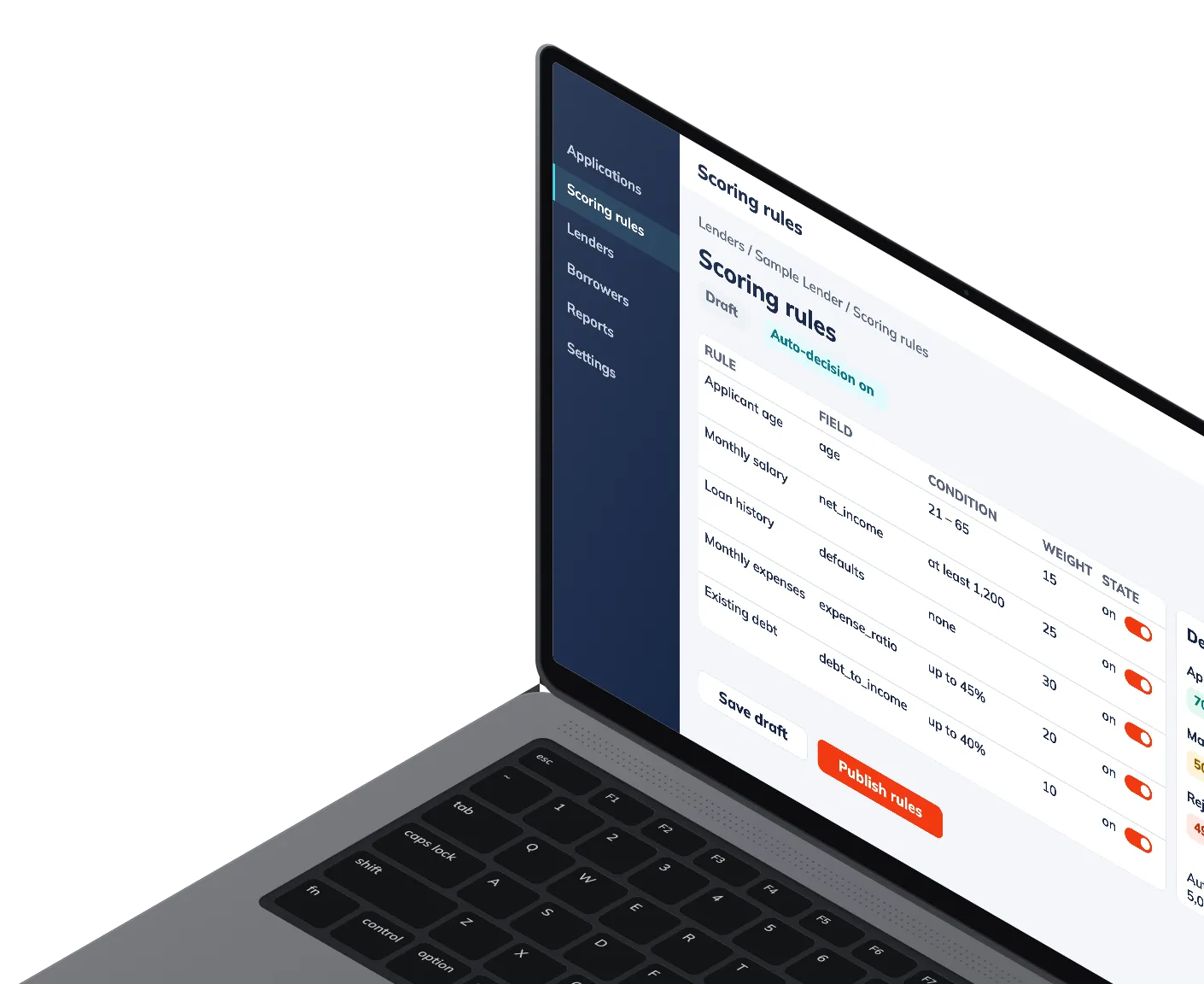
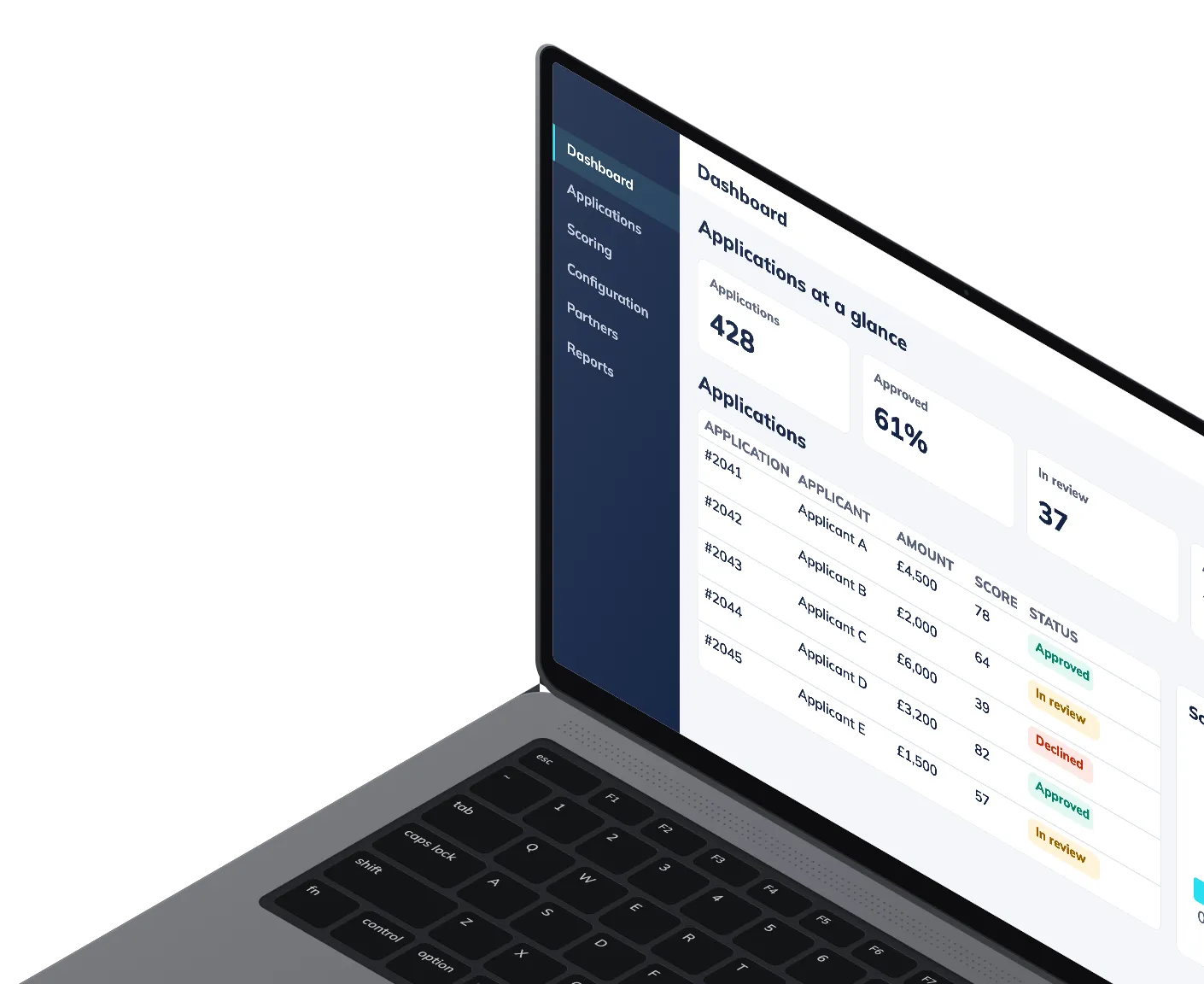
For a loan management software provider, we moved the scoring rules of its loan management system into the interface and added automatic processing of smaller loans. Our client saw 67% faster partner rollout from the editable rules and 75% faster application processing from automation.

For a company whose product platform serves global retailers, our team moved the front end of its PIM solution off Adobe Flex to Angular on a Java back end, with no downtime. Our client cut the manual effort of preparing campaigns by 40%.

Start with who answers for the result

"The hourly rate is the least telling number in a proposal. We settle who answers for the result first, and the price type follows."

Dzmitry Kuchynski, Chief Operating Officer, Octalance

FAQ

Questions to settle before you outsource

How much does it cost to outsource software development?

A real number needs the scope, the roles and seniority it takes, how long the work runs and who will manage it. We agree rates per client by role and seniority, so there is no public rate card to point you to. When the scope is still fuzzy, a fixed-price discovery phase turns it into an estimate and a delivery plan, which is the number to take to whoever holds the budget.

What costs show up beyond the rate?

On staff augmentation, your tech lead's time is part of the real cost, because someone on your side directs the engineers. On a fixed-price project, a change of scope becomes a change request. On time and materials, if the work looks set to pass the estimate, we say so at the next demo with the reason and a revised estimate, and you decide whether to continue, cut scope or stop. We don't carry on past the estimate without your approval. On support, any overage is agreed per client.

Who owns the code, and how do we get out if it isn't working?

The code is yours once it is paid for, and the exit terms for each model are listed under "Who owns the code, and how do you exit?" on this page. That list doesn't cover access. On staff augmentation and on a managed team, our engineers work through named accounts you issue in your own systems, limited to their role, and all of an engineer's access is removed when they leave.

How soon can we start?

For engineers who join your team, we present matched candidates within 7 days of your request. It can happen sooner, but that isn't guaranteed. The first working day then depends on your interviews and on onboarding, which covers contracts, security and access. A managed team's start depends on its size, up to a month, and we can begin with a few developers to keep momentum. A build starts with a discovery phase.

Can we hand over only part of the work?

Yes. A single QA engineer or designer can join your own team. A discovery phase can be bought on its own, and so can support. For code another team built, support starts with an audit that ends in a written findings list and a short handover. Or we take one scoped project, such as a test automation suite built in your repository and handed over to your team.

Should a startup outsource software development?

It can, as long as someone on your side owns the product decisions. A first build usually starts with a discovery phase, and an MVP typically takes 2 to 4 months after it. That is a typical range, and the discovery plan gives you your own. If you aren't ready to build yet, a proof of concept takes up to a month and can run without discovery.