Cloud consulting services that leave infrastructure your team can change without us

Cloud consulting services from certified AWS and Azure engineers who join your team or run the project, in accounts you issue.

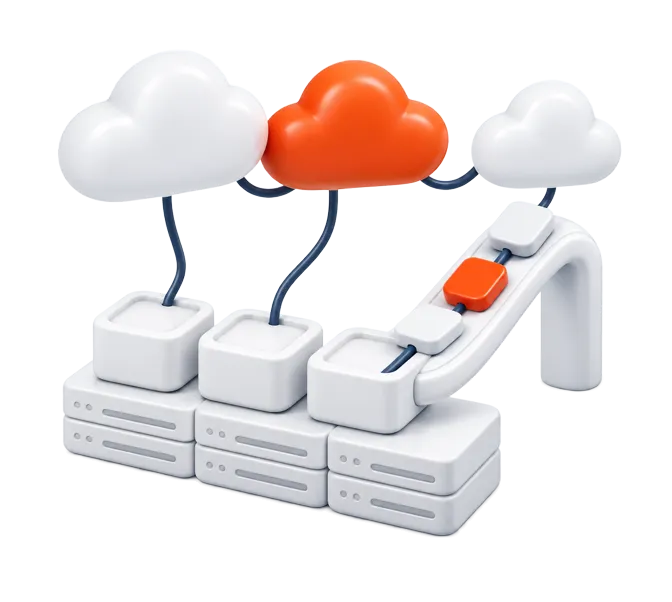
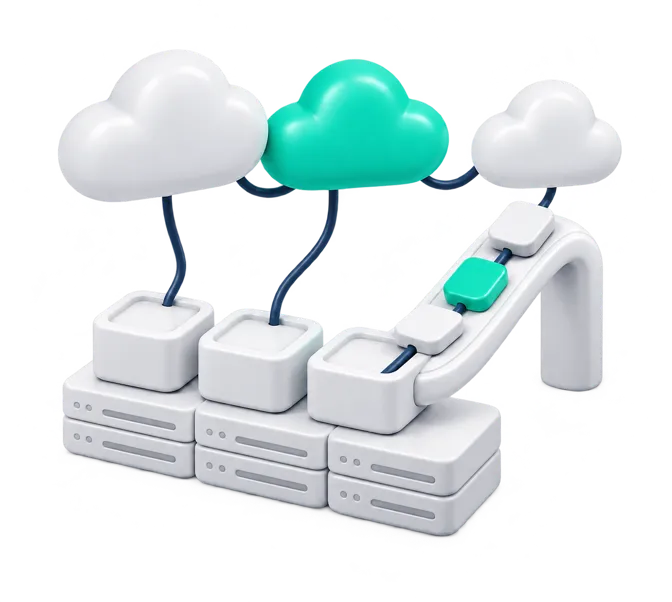
Illustration of cloud infrastructure: servers, containers and a deployment pipeline linking three cloud environmentsIllustration of cloud infrastructure: servers, containers and a deployment pipeline linking three cloud environments

CLOUD CONSULTING

What does cloud consulting cover, and when do you need it?

Cloud consulting is outside engineering help with the platform your software runs on. A consultant reads what you run, picks a platform and an architecture, then builds or fixes the environments, release pipelines, access and cost controls with you. Companies usually bring one in before a move, when releases are slow, or when nobody owns the infrastructure.

The first decision is who runs the work, and it matters more than which cloud. With a live product and a tech lead of your own, the gap is usually hands. Bring in DevOps engineers on your team, or certified AWS engineers for AWS work. They work in your tools and ship through your release process. We present matched candidates within 7 days of your request, and you interview each one before they start.

Without a tech lead on your side, or when you would rather hand over an outcome, we run the project end to end. A discovery phase reads your setup and ends in a plan, and the build then runs to milestones you accept one at a time. The engagement models for cloud projects differ in who runs the day-to-day work, and clients move from one to another as a setup settles.

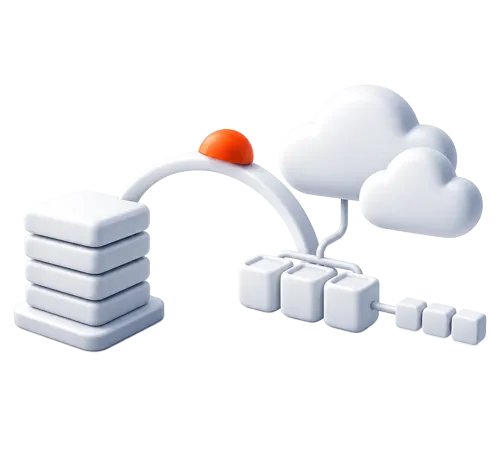
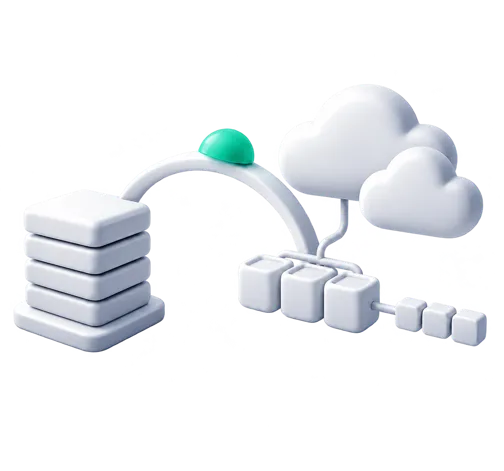
Diagram of an application moving from an on-premises server to cloud environments, with a build pipeline and containersDiagram of an application moving from an on-premises server to cloud environments, with a build pipeline and containers

WHAT WE DO

What a cloud engagement can cover

A cloud problem rarely arrives alone. A pipeline that breaks every other release usually sits on environments nobody wrote down. Take one area on its own or several together, and the assessment shows which to fix first.

Cloud strategy and assessment

A review of what you run today, how releases reach production and what your team can maintain, ending in a recommended platform, a target architecture and a delivery plan.

A bad account and network layout costs an hour to fix in week one and a project in year two, so the review settles it first.

Cloud-native engineering

Containerized services that scale with load, on AWS, Azure or Google Cloud, built in sprints by our team or by engineers inside yours.

Serverless earns its place on spiky, event-driven work. A service that is busy all day usually belongs in a container, and a database you patch yourself rarely pays off.

Cloud security and access

IAM roles cut back to least privilege, with network rules, secrets and encryption settings checked against how the system is actually used.

Secrets move out of code and config files into Key Vault, Secrets Manager or HashiCorp Vault.

Managed cloud and FinOps

Day-to-day care of your environments runs as support and maintenance, usually a retainer plus hours or tickets agreed per client. We work by priority in CET/CEST hours, shifted for a US client.

On cost, we tag resources so each line of the bill has an owner, then weigh on-demand against Savings Plans or Spot on AWS and reservations on Azure.

CASE STUDIES

Cloud and DevOps work in projects we delivered

Each of these projects shipped through a release pipeline we set up, and most also run on containers or infrastructure code of ours. The fintech warehouse runs in the client's own AWS account, and the tax firm's drafting system in the firm's own Azure account.

PLATFORMS

Which clouds do we work on?

AWS

We delivered a patient portal for an eHealth provider and a fair lending platform for a fintech startup on AWS, with S3 and CloudFront, EC2 behind an Application Load Balancer, RDS PostgreSQL Multi-AZ with KMS, Secrets Manager and CloudWatch. Our AWS consulting and engineering also covers account and network setup, containers on ECS or EKS and the pipelines that release them.

Other projects we shipped on AWS

A mobile software developer saved 98.8% in computing resources after our warehouse rework on Airflow and Redshift Spectrum. A bus travel company reports 42% more tickets sold within four months of our price monitoring going live. The biopharma data warehouse we restructured now completes its overnight processing within 4 to 5 hours. The first version of a compliance product's training module went live in time for customers to leave a legacy platform. We set up its CI/CD and infrastructure code.

Azure

Azure suits a company whose sign-in already lives in Entra ID and whose services are .NET on SQL Server. Our Azure engineers run workloads there on AKS, Container Apps and Azure Functions, write the infrastructure in Bicep or Terraform and release through Azure DevOps or GitHub Actions. The Azure consulting page covers assessment and landing zones.

Google Cloud

Environment, container and pipeline work on Google Cloud matches what we do on the other two clouds, with GKE and Cloud Build in place of their equivalents. Our engineers' experience there is hands-on. BigQuery warehouses and the pipelines that feed them belong to our data engineering team.

Jira and the Atlassian stack

Outside the three clouds, we take on administration and development across Jira and the wider Atlassian stack, apps included. Several of our key people bring extensive Atlassian experience from earlier work.

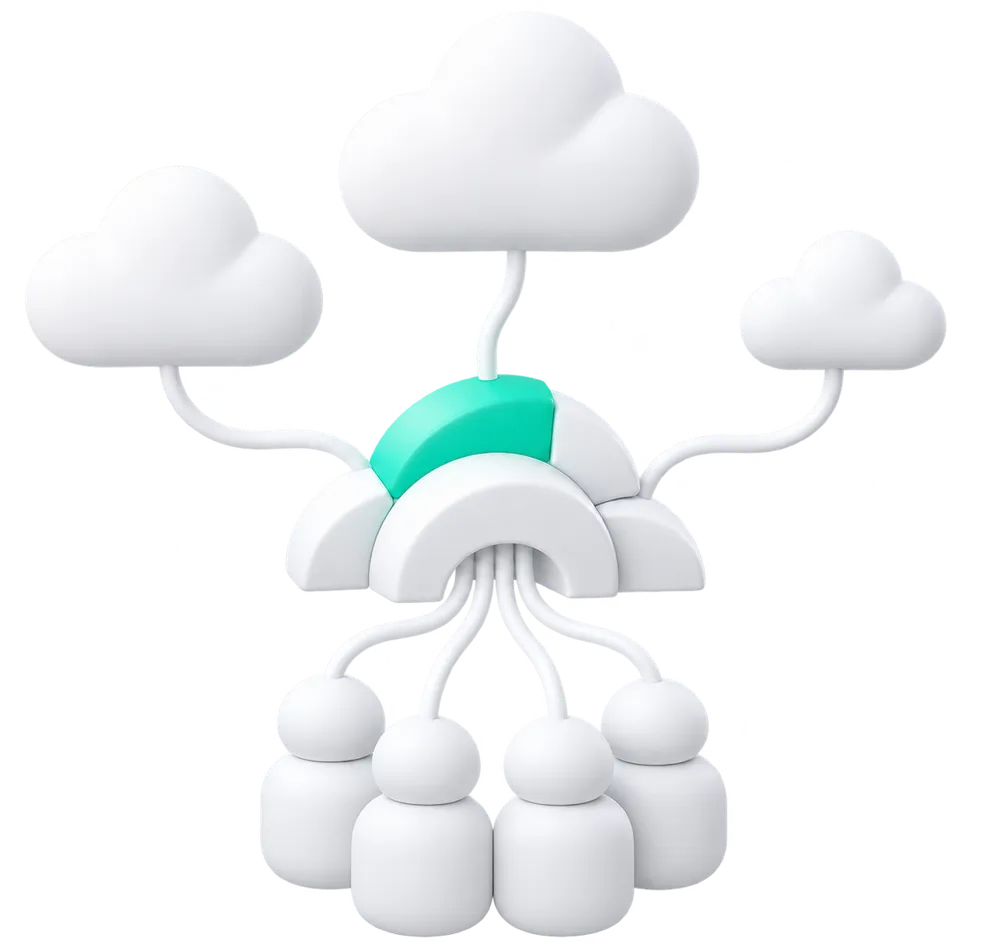
Illustration of three cloud environments connected to one engineering teamIllustration of three cloud environments connected to one engineering team

TECHNOLOGIES

The cloud and DevOps tools we work in

Kubernetes

Terraform

CI/CD

Docker

Helm

Argo CD

GitHub Actions

GitLab CI

Ansible

Prometheus

Grafana

AWS

Azure

Google Cloud

Not sure if you need engineers or a project?

Describe what runs in your cloud and what keeps breaking, and we will tell you whether engineers or a project fits it better.

HOW WE WORK

Engagement models and terms

Staff augmentation

Our engineers join your team and work in your process and tools. You manage them; we source, vet and contract them.

Hourly rate per engineer by role and seniority, invoiced monthly.

  • If an engineer isn't the right fit, we replace them within 14 days at no extra cost.
  • Knowledge transfer to the replacement engineer isn't billed.
  • There is no free trial period.
  • 30 days' notice to take an engineer off or end the engagement, with no minimum term beyond it.
  • Out-of-hours on-call only if agreed with you; we set its hours and billing together.
  • After two years, moving an engineer onto your own staff is something we can discuss.

Project delivery

We deliver an agreed scope end to end: plan, team, milestones, QA and release. You make the product decisions and accept each milestone.

Fixed price per milestone after discovery, or time and materials against an estimate.

  • Scope changes go through change requests.
  • On fixed-price projects, a warranty period agreed in the contract, usually 30–60 days.

Discovery phase

A short phase before a build: requirements and backlog, architecture, an estimate and a delivery plan.

Fixed price, usually 2–4 weeks.

  • The outputs stay with you whether or not the build continues with us.

Whichever model you choose

  • We reply to an inquiry from the contact form within 24 hours.
  • We sign an NDA before work starts, and IP passes to you on payment.

BEFORE YOU SIGN

What can you verify before signing anything?

Illustration of a checklist beside a cloud account card with a key and a padlockIllustration of a checklist beside a cloud account card with a key and a padlock

Certified engineers, tested in practice

We have certified AWS and Azure engineers, and cloud candidates are tested on a practical task judged on security and cost. See the cloud and DevOps engineers you can hire.

Accounts you issue, removed at exit

Each of our engineers signs in with a named account from your own IAM or SSO, scoped to their role. Where we handle your data, we sign a data processing agreement.

Where the infrastructure code lives

It usually lives in your own repositories. Each change to it is a pull request, reviewed with its plan before it is applied, and it goes through your change process.

A running setup we didn't build

We take on setups other teams built. We read the code and the deploy setup first, and you get a written findings list with what we would fix first.

Senior engineers, company-wide

Our engineers average 7 years of experience, and 80%+ of them are senior-level or above. A senior engineer is the one who asks why the account is laid out that way.

Infrastructure your team can take over

"A cloud setup is finished when your own team can change it without calling us. That is how we hand it over."

Dzmitry Kuchynski, Chief Operating Officer, Octalance

FAQ

Questions to ask us before a cloud project starts

What moves the price of a cloud engagement?

Mostly how many engineers you use and how big the project is. Each engagement model has its own price type, set out in the Engagement models and terms section on this page. We publish no rates and quote once we have read your setup. Your cloud provider's usage bill is separate and goes to the account you own.

Who runs the assessment, and what do we get at the end?

An architect, a business analyst and a delivery manager, with a lead engineer on the cloud side when the setup calls for one. They read your setup, your release process and your team's skills, then hand over the platform they recommend, the target architecture, an estimate, a delivery plan and the risks they see. From your side we need the people who know the problem and any documents or systems that already exist.

Can we stop partway through a cloud project?

Yes. A fixed-price project can stop at the end of any milestone, and a time-and-materials one at the end of any bi-weekly demo. You pay for the work done to that point, the IP passes to you on that payment, and we hand over the code, the documentation and the discovery outputs.

Can you take over a cloud setup another team built?

Yes. It starts with an audit of the code, its dependencies and the deploy and release setup, noting missing tests and documentation, and it ends in written findings. A short handover follows, covering access, environments, runbooks and a walkthrough from the previous team where one is available. Where parts of the setup were clicked together in a console, getting them into code is usually the first fix we recommend.

Will your engineers cover incidents and on-call?

A DevOps engineer who joins your team handles incidents in their working hours, inside your own incident process. They can also join your on-call rotation, on hours and billing agreed with you, and out-of-hours work happens only when it is agreed. We run no shifts and offer no round-the-clock cover. Where you need response times, they are agreed per client in the support contract.

Which clouds are your engineers certified on, and are you a partner of any of them?

We have certified AWS engineers and certified Azure engineers. On Google Cloud, our engineers' experience is hands-on. Octalance holds no partner status with AWS, Microsoft or Google and works as an independent team. Some of our cloud and DevOps work, including on Azure, sits under client NDAs.