Azure consulting services for architecture, security, cost control and day-to-day operations

Our Azure consulting services start with an assessment of your setup. Certified Azure engineers then govern and build what it recommends.

Abstract 3D illustration of white blocks rising from an orange base, with a pathway leading through an assessment gateAbstract 3D illustration of white blocks rising from an orange base, with a pathway leading through an assessment gate

WHAT YOU GET

What do you get from Azure consulting?

Advice and hands-on engineering on Microsoft Azure

You get your Azure setup reviewed, a target cloud architecture and a written plan, and the build if you want it. A consultant looks at how you plan, build, secure and pay for Azure, then settles what should change, and who may change it, before anyone touches a subscription.

Teams usually bring one in before a design decision that is hard to reverse, such as adding AWS or Google Cloud. A second cloud brings another identity, network and billing setup to look after, so it should answer a real need, like a client contract or a service Azure doesn't offer. Others call when nobody is sure who owns which subscription, or when the Azure bill has outgrown its budget.

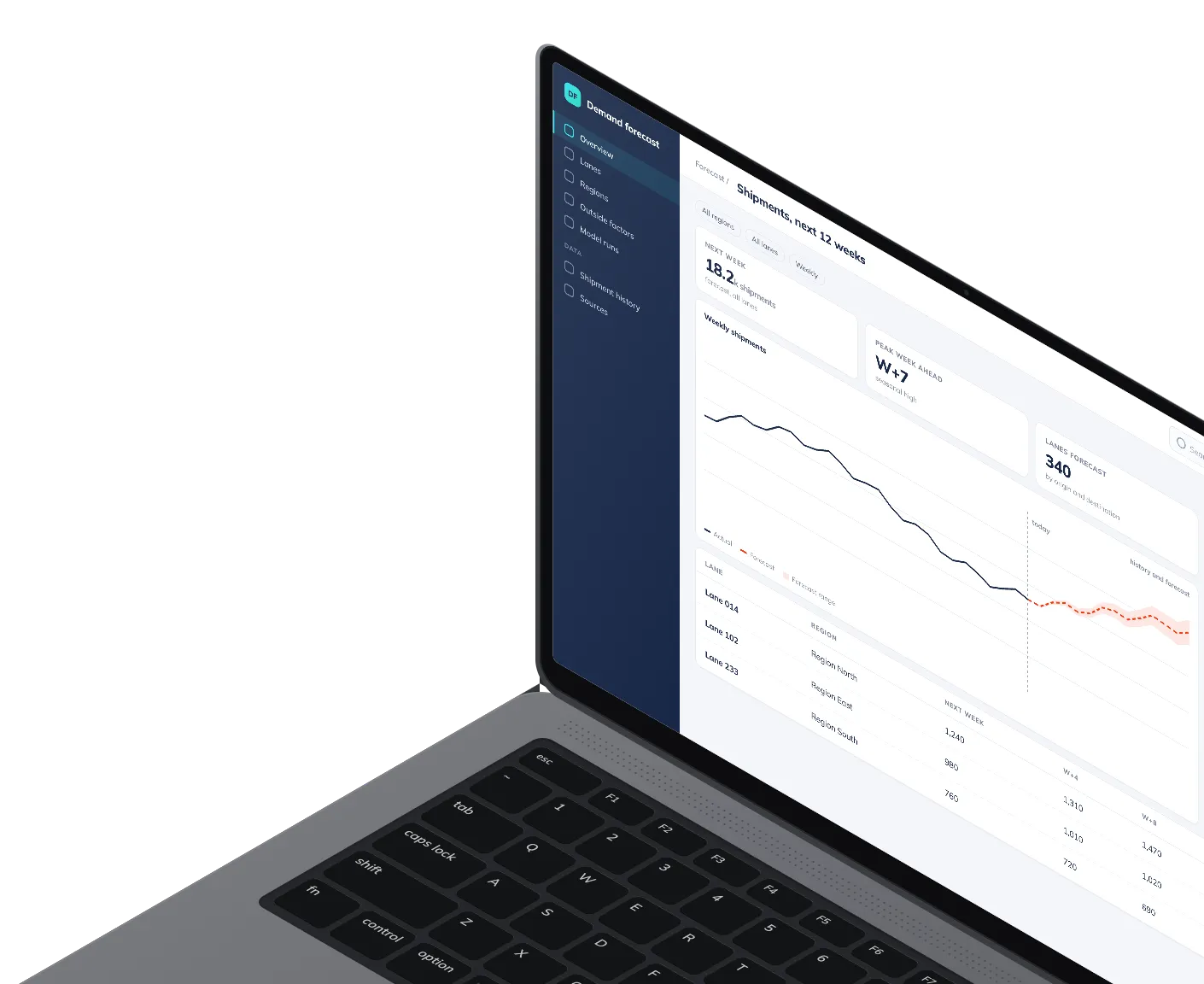
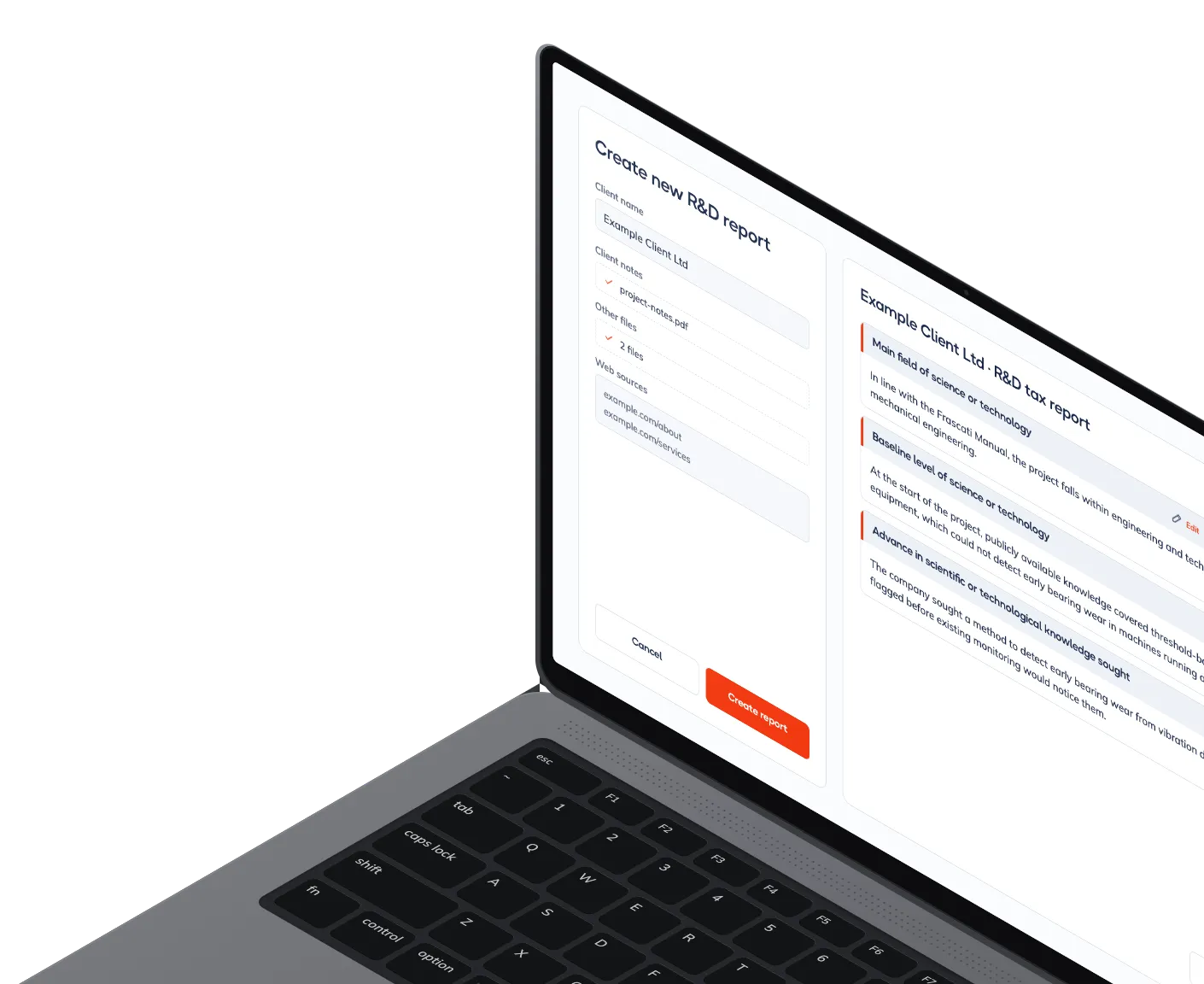
The cases we can show on Azure are data, AI and application projects, and on three of them the CI/CD was ours. We rebuilt a logistics company's demand forecasting system on Databricks and Azure. For an R&D tax firm, we built generative AI that drafts its reports on Azure OpenAI, in the firm's account. More of our cloud and DevOps work on Azure sits under client NDAs.

Abstract 3D illustration of white blocks forming a cloud architecture diagram, with an orange block at the review stepAbstract 3D illustration of white blocks forming a cloud architecture diagram, with an orange block at the review step

AZURE SERVICES

What our Azure consulting services cover

Pick one area, or combine several of the six. The assessment sets the order. A cost review on an estate where anyone can create anything tends to find the same waste again a month later, so access rules often come first.

Security and identity on Azure

Every sign-in goes through Microsoft Entra ID, and secrets and keys sit in Key Vault, out of code and pipeline settings.

Azure Policy, private endpoints and the rest of the guardrails are covered under Azure landing zones and governance.

Azure cost optimization

A cost review looks for idle or oversized resources, test environments left running all night and data on the wrong storage tier. Cost Management budgets then warn you before the month's bill does.

Reservations lock a discount to a resource type and region. Savings plans give a smaller discount but follow your compute across sizes and regions. We promise no saving before we have seen your bill.

Managed operations on Azure

Azure Monitor and Application Insights watch the platform and the applications on it. Fixes, updates and small improvements are then worked through by priority.

This runs under our support and maintenance model, for a setup we built or, after an audit, one another team handed over.

Data services on Azure

Our engineers work with Azure Synapse, Data Factory, Microsoft Fabric and Azure Databricks.

Data platforms on Azure belong to our data practice, which designs the warehouse or lakehouse and the pipelines that feed it.

GOVERNANCE

Azure landing zones and governance

Landing zones when your requirements call for them

A landing zone is a prepared Azure foundation: management groups, subscriptions, networking, identity and policy, laid out before workloads arrive. We set one up as part of the target cloud architecture when your requirements call for it, for example when several teams or environments share Azure. A small single-team setup may not need one, and the assessment shows which case you are in.

Management groups and Azure Policy

Lay out the management groups before writing a single policy. A rule assigned high in the hierarchy reaches every subscription under it, so the hierarchy decides how many times you assign each rule. Start Azure Policy with the rules nobody argues about, such as allowed regions and required tags, and leave approved resource types until you know what your teams actually deploy.

Azure RBAC scoped to subscriptions or resource groups

Give roles to Entra ID groups rather than to individual people, at the narrowest scope that works: a resource group before a whole subscription. Someone who changes jobs is then one group membership to remove. Owner and User Access Administrator stay with the few people who need them, and nobody's everyday account should hold either.

Managed identities instead of stored secrets

Move apps off stored secrets one at a time, starting with whatever reaches your data. An app that opens a database with a connection string switches to a managed identity first. A secret that can't go, such as a third-party API key, moves to Key Vault, and the app reads it there with its managed identity.

Private endpoints and VNet integration

Turn off public access as the last step. First create the private endpoint, make sure the service's name resolves to its private address, and check that every app and pipeline still connects. Anything still on the public address stops working the moment public access closes. VNet integration lets App Service and Azure Functions apps reach those private addresses.

Microsoft Defender for Cloud

Defender for Cloud scores the security posture of your subscriptions and lists misconfigurations, each with a recommended fix. Treat that list as a starting point, and fix first what exposes you most, such as a storage account anyone can read from the internet, or a virtual machine with remote desktop open to it.

Abstract 3D illustration of white blocks stacked in tiers inside orange guide rails, like policies around a cloud setupAbstract 3D illustration of white blocks stacked in tiers inside orange guide rails, like policies around a cloud setup

TECHNOLOGIES

Azure services our engineers work with

App Service

Azure Functions

Azure Kubernetes Service

Container Apps

Azure SQL Database

Cosmos DB

Microsoft Entra ID

Key Vault

Azure Monitor

Application Insights

Bicep

ARM templates

Terraform

Azure DevOps

Defender for Cloud

Azure Policy

Not sure where your Azure setup stands?

Tell us what runs in your subscriptions today and who holds Owner rights on them, and we will suggest where to begin.

PROCESS

How an Azure consulting engagement runs

Our consulting engagements open with an assessment, because the right Azure setup depends on what you run today and who runs it. If you already have a tech lead and need people more than advice, add Azure engineers to your team instead.

  1. STEP 1

    Review your setup, releases and skills

    We look at your current Azure setup, how a release reaches production, and what your team can already run without outside help.

  2. STEP 2

    Recommend a platform

    We recommend Azure Kubernetes Service only when your team needs Kubernetes and can run it. Otherwise Container Apps, App Service or Functions leave you less to look after.

  3. STEP 3

    Agree the target architecture and plan

    The assessment ends in a target cloud architecture and a delivery plan that sets what changes first and what can safely wait.

  4. STEP 4

    Build and hand over

    We build in your own subscriptions and hand the finished work to your team to run.

ACCESS AND CHANGE

Who can change your Azure environment?

Named Entra ID accounts that you issue

Our engineers work through individual named Microsoft Entra ID accounts that you issue in your own tenant, each with only the access its role needs. Your team can see which account made each change, and can switch any of them off without asking us.

All access removed at exit

When an engineer leaves the engagement, all of their access to your Azure subscriptions is removed as part of transition-out. It is a step of the handover itself, so it doesn't wait for someone to remember a clean-up later.

Infrastructure changes as reviewed code

Changes to your Azure environment are made as code in pull requests, in Bicep, ARM templates or Terraform. Each one is reviewed with its preview of what will change, a Terraform plan or a Bicep what-if, before it is applied, and it follows your own change process. Over time your team gets a written history of why each resource looks the way it does.

Abstract 3D illustration of white blocks passing one at a time through an orange gate with a key-shaped openingAbstract 3D illustration of white blocks passing one at a time through an orange gate with a key-shaped opening

HOW WE WORK

Engagement models and terms

Project delivery

We deliver an agreed scope end to end: plan, team, milestones, QA and release. You make the product decisions and accept each milestone.

Fixed price per milestone after discovery, or time and materials against an estimate.

  • Scope changes go through change requests.
  • On fixed-price projects, a warranty period agreed in the contract, usually 30–60 days.

Discovery phase

A short phase before a build: requirements and backlog, architecture, an estimate and a delivery plan.

Fixed price, usually 2–4 weeks.

  • The outputs stay with you whether or not the build continues with us.

Staff augmentation

Our engineers join your team and work in your process and tools. You manage them; we source, vet and contract them.

Hourly rate per engineer by role and seniority, invoiced monthly.

  • If an engineer isn't the right fit, we replace them within 14 days at no extra cost.
  • Knowledge transfer to the replacement engineer isn't billed.
  • There is no free trial period.
  • 30 days' notice to take an engineer off or end the engagement, with no minimum term beyond it.
  • Out-of-hours on-call only if agreed with you; we set its hours and billing together.
  • After two years, moving an engineer onto your own staff is something we can discuss.

Whichever model you choose

  • We reply to an inquiry from the contact form within 24 hours.
  • We sign an NDA before work starts, and IP passes to you on payment.

HOW TO CHOOSE

How do you choose an Azure consulting provider?

Abstract 3D illustration of a column of white blocks, several marked with orange ticks like a checklistAbstract 3D illustration of a column of white blocks, several marked with orange ticks like a checklist

Who does the work

Across the company, our engineers average 7 years of experience and 80%+ are senior-level or above. You can interview the key roles before they start on your setup.

How we test Azure candidates

Our Azure candidates are tested on architecture, Terraform or Bicep and CI/CD, then given a practical task on a real-world Azure setup, judged on how secure and how costly the design is.

Ask what they would leave alone

Ask each provider which parts of your current Azure setup it would keep as they are, and why. Our assessment names those as well as the changes.

Fix the scope before the quotes

Decide first whether you are buying an assessment alone, or the build and the running after it. Put that in writing and send the same text to every provider you ask to quote.

CASE STUDIES

Our projects on Azure

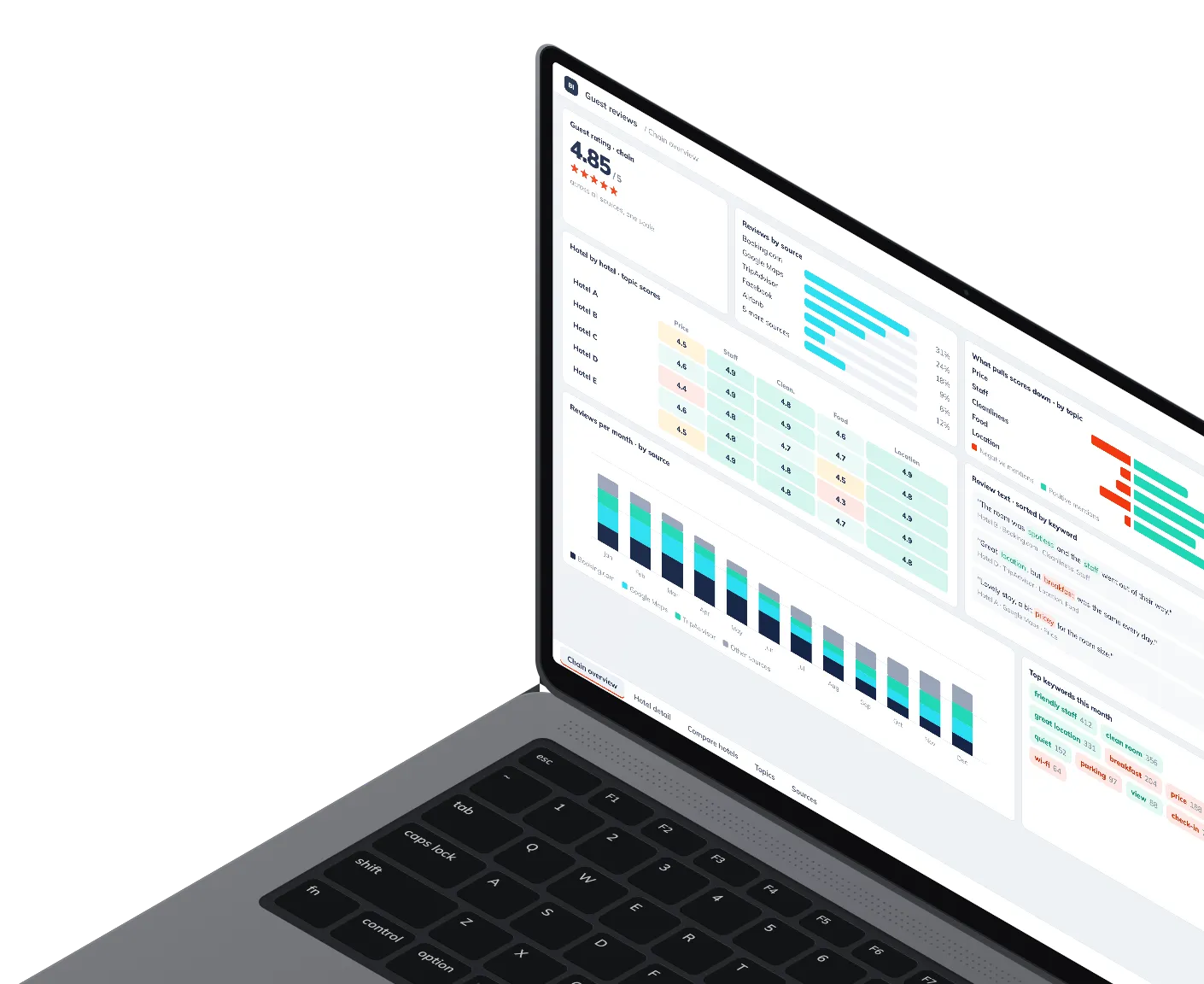
These five projects ran on Azure, each a different kind of system: demand forecasting, a generative AI that drafts reports, product information management, a hotel review dashboard and a transportation management system. Start with the one closest to what you run.

Build an Azure setup your team can read

"A good Azure setup is one your next hire can read without a guide. Every subscription has an owner, and every rule is written down."

Dzmitry Kuchynski, Chief Operating Officer, Octalance

FAQ

What to ask us before an Azure project

What decides the price of an Azure engagement?

Mostly the scope. How many subscriptions, workloads and environments are in it, whether you want a review of your setup only or the build and day-to-day running too, and how many engineers join your team, if any. Each engagement model has its own price type, listed under Engagement models and terms. What Azure charges for the resources in your subscriptions is billed to you by Microsoft or your reseller, separately from our fee.

We already run workloads in Azure. Can you add governance without stopping releases?

Usually, yes, if the rules arrive in the right order. An Azure Policy rule can start on its audit effect, which reports the existing resources that break it and blocks nothing. Your team fixes those first, and then the rule moves to deny, which stops a new resource that breaks it from being created. The delivery plan from the assessment sets which rules go first. Switching on dozens of rules in one week tends to end in exemptions for everything.

Can you run our Azure environment after the project, and when are you available?

Yes, as managed operations. By default the work runs in CET/CEST business hours, and for a US client we shift the schedule to match yours. We run no round-the-clock shifts, and out-of-hours on-call happens only if we agree it with you. Response times are set per client in the support contract, so they aren't published. An engineer placed in your own team can instead join your on-call rotation or incident process, on terms agreed with you. Managed operations are usually billed as a retainer plus hours or tickets by priority.

Can we stop an Azure project partway through?

Yes. A fixed-price project can stop at the end of any milestone, and a time-and-materials one at the end of any bi-weekly demo. You pay for the work done up to that point, IP passes to you on that payment, and we hand over the code, the documentation and any discovery outputs.

Where do our data and code sit while you work on them?

Your Azure resources and the data in them stay in your subscriptions, in the regions you chose. The code usually lives in your repositories. If your rules say where the people with access may be based, tell us at the start, and we staff from a location that meets them. Where we handle your data, a data processing agreement is part of the engagement.

Are you a Microsoft partner?

No. Octalance is not a Microsoft partner and works as an independent team.