Software development services that start with discovery

Our software development services run as a project we deliver or a team you direct. Discovery's backlog and plan stay yours, whether or not we build.

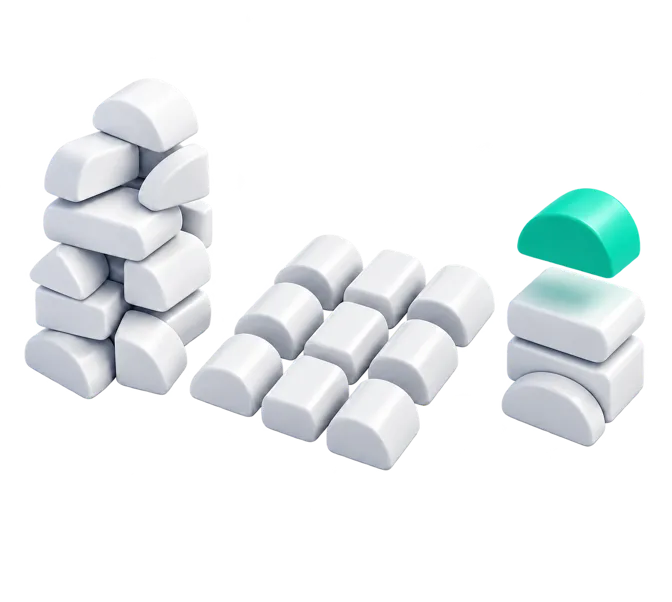
Abstract 3D illustration of stacked blocks for the backlog, sprint and release stages of software development servicesAbstract 3D illustration of stacked blocks for the backlog, sprint and release stages of software development services

Delivery or extra hands

Need a product delivered, or more hands on your roadmap?

You get custom software planned, designed, built, tested, released and supported around your company's requirements, instead of a ready-made product you bend your process to fit. At Octalance, discovery comes first. The build then runs in Agile sprints with bi-weekly demos, and support continues after launch.

If you are a founder with no tech lead, project delivery puts the plan and the team on us, and the product calls stay with you. If you are a CTO with a roadmap and a process of your own, you can hire developers for your software project and manage them yourself, and we present matched candidates within 7 days of your request. A managed team sits between the two. The engagement models for software projects differ mostly in who runs the day-to-day work, and that is the choice to settle before anyone talks price.

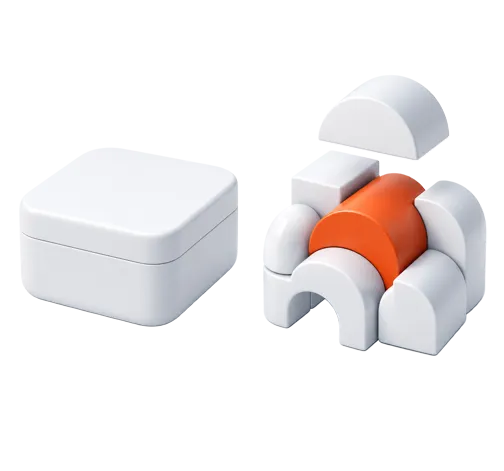
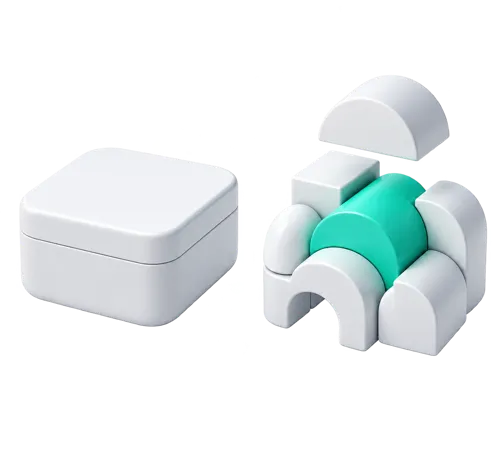
Abstract 3D illustration of an interlocking assembly beside a plain sealed box: custom-built versus off-the-shelf softwareAbstract 3D illustration of an interlocking assembly beside a plain sealed box: custom-built versus off-the-shelf software

What we build

The kinds of software we build

Mobile apps, first product versions, rebuilds of aging systems, web portals and subscription products each go wrong in their own way, so discovery scopes every build against its own risks before the first sprint starts.

iOS and Android apps

Native or one shared codebase is the first call in mobile app development. Flutter and React Native cover both platforms from one.

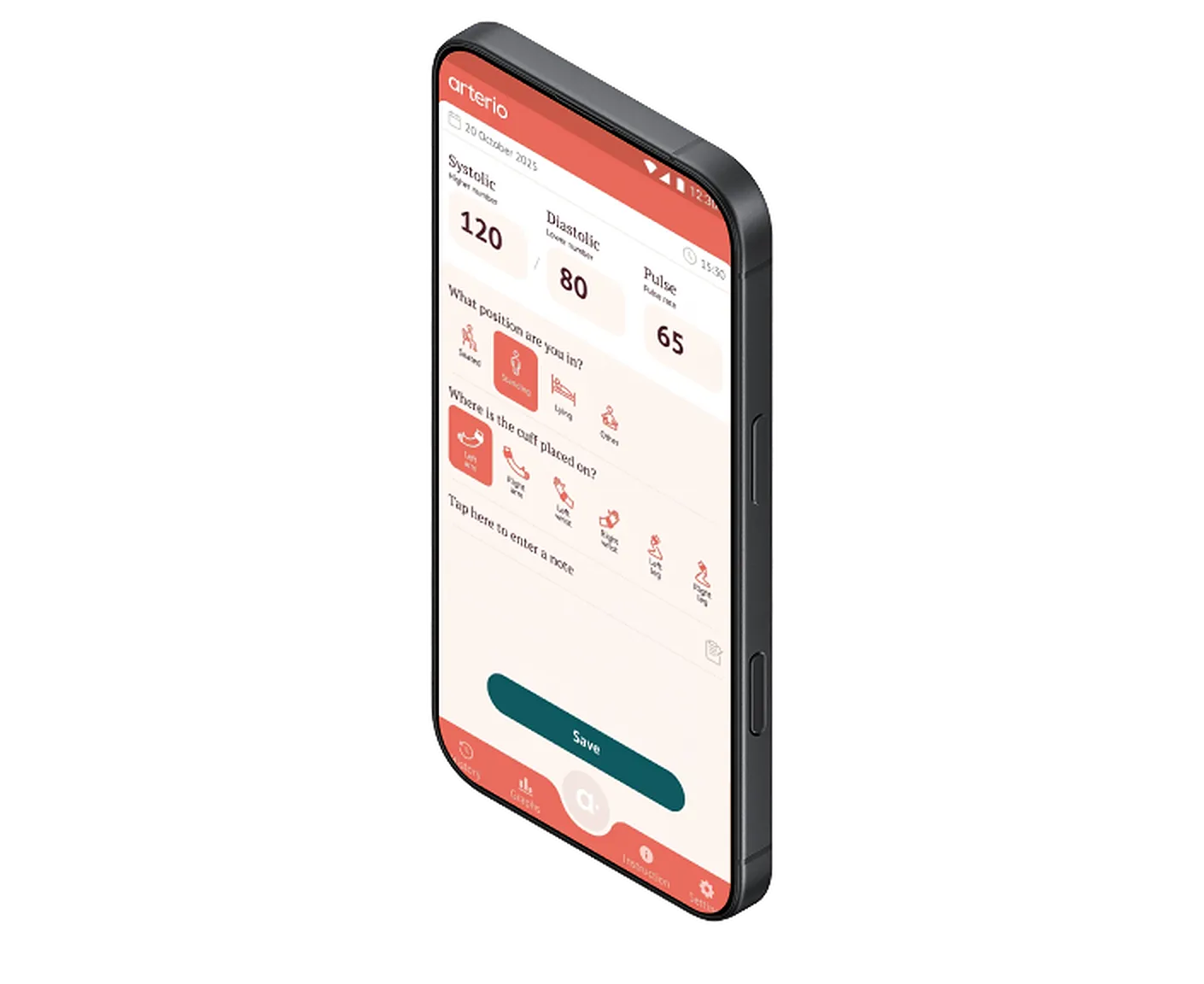
We built Arterio, a blood pressure app, in native Kotlin. It takes measurements from electronic blood pressure monitors over Bluetooth, and patients can still add one by hand.

MVPs for new products

Discovery turns the idea into a backlog and, where a flow needs it, a prototype. MVP development then builds the smallest version real users can try, usually in 2 to 4 months.

Legacy system modernization

We moved a product information system with over a million records off Adobe Flex to Angular on Java. That legacy modernization ran old and new side by side, so it never went down.

Web portals and internal tools

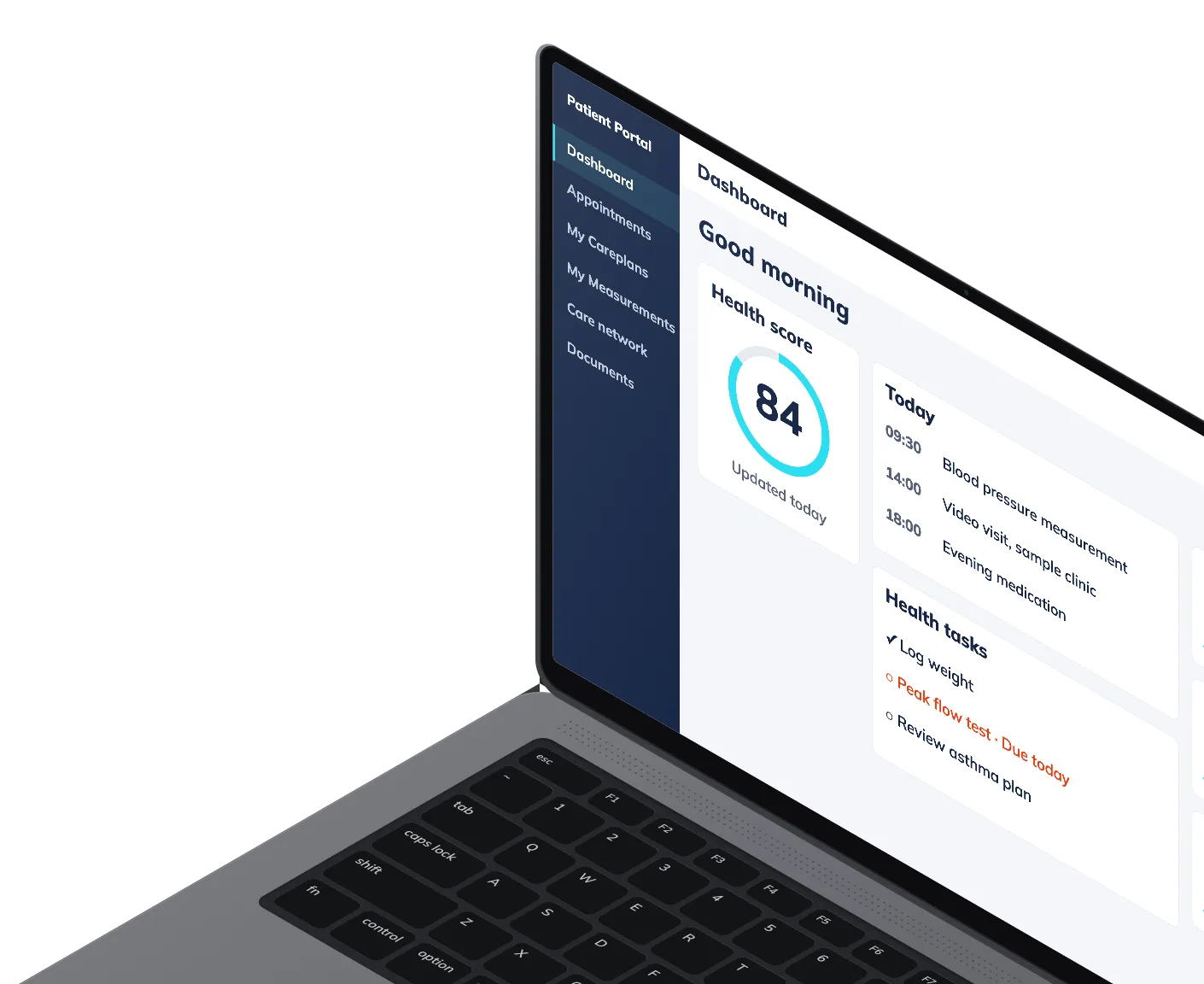
The patient portal we built in Java and Angular gathers care plans and health data from several sources in one place.

SaaS and subscription products

How tenants share data and how billing works cost the most to undo, so they go into the architecture first.

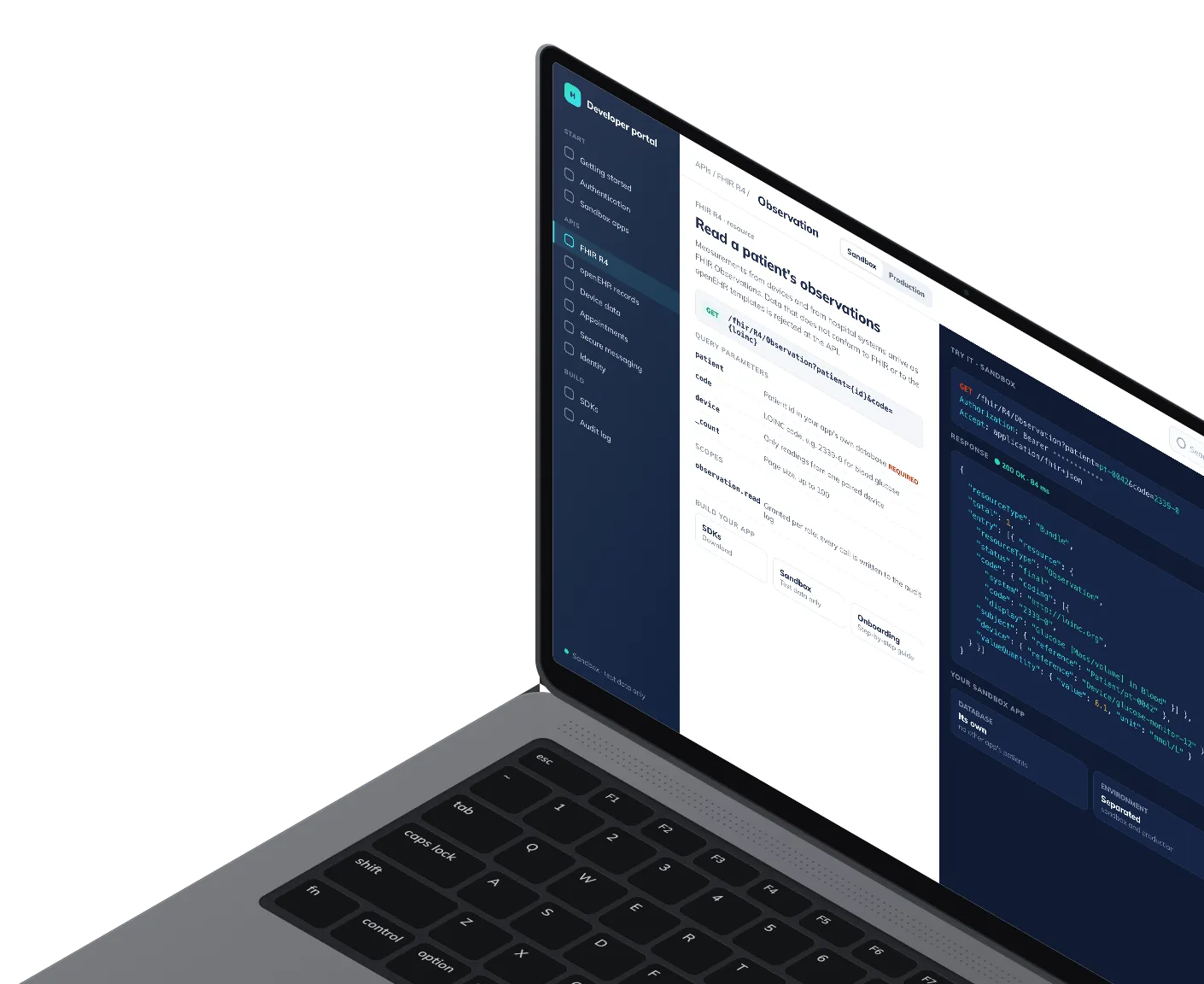
On the white-label eHealth platform we built, each app gets its own database, so one app's patient data doesn't sit beside another's.

Who runs the work

Engagement models and terms

Project delivery

We deliver an agreed scope end to end: plan, team, milestones, QA and release. You make the product decisions and accept each milestone.

Fixed price per milestone after discovery, or time and materials against an estimate.

  • Scope changes go through change requests.
  • On fixed-price projects, a warranty period agreed in the contract, usually 30–60 days.

Managed team

An agreed team capacity that we manage. We coordinate delivery and handle the team's make-up. You set the priorities and own the backlog.

Per-engineer rates, or a fixed monthly fee for the agreed capacity.

  • We handle replacements ourselves, and the team keeps its agreed capacity and pace.
  • Engineers work full-time for your team only.

Staff augmentation

Our engineers join your team and work in your process and tools. You manage them; we source, vet and contract them.

Hourly rate per engineer by role and seniority, invoiced monthly.

  • If an engineer isn't the right fit, we replace them within 14 days at no extra cost.
  • Knowledge transfer to the replacement engineer isn't billed.

  • There is no free trial period.
  • 30 days' notice to take an engineer off or end the engagement, with no minimum term beyond it.
  • Out-of-hours on-call only if agreed with you; we set its hours and billing together.
  • After two years, moving an engineer onto your own staff is something we can discuss.

Whichever model you choose

  • We reply to an inquiry from the contact form within 24 hours.
  • We sign an NDA before work starts, and IP passes to you on payment.

Discovery

What do you get from discovery, and who runs it?

Discovery usually takes 2 to 4 weeks. An architect, a business analyst and a delivery manager run it, and a lead engineer or a UX specialist joins when the product calls for one. Our UI/UX designers build a prototype if a flow needs testing, and our product manager runs user research when it is part of the phase. The phase has a fixed price, set by the size of the product and who joins. From you, we need access to the people who know the problem and to any existing documents or system.

You leave with requirements and a backlog in priority order, an architecture that gives the reason for each technology choice, a prototype where one was needed, and an estimate with a delivery plan and the risks written down. Those outputs stay with you whether or not the build continues with us.

What discovery involves depends on the product. For Arterio, we interviewed cardiologists and built 4 persona profiles and 4 empathy maps. The fair lending client arrived with its scoring rules already defined, so discovery there was shorter and went straight to requirements, activity mapping and the architecture.

Abstract 3D illustration of four block groups around one piece: the backlog, architecture, estimate and risks of discoveryAbstract 3D illustration of four block groups around one piece: the backlog, architecture, estimate and risks of discovery

Start with discovery, then decide on the build

Bring the idea, a rough spec or an old system, and leave with a backlog and a plan you keep whatever you decide about the build.

Case studies

Custom software projects and their results

An eHealth provider wanted its customers to build medical apps without each passing certification. We built a white-label platform for eHealth providers in Java, Spring Boot and HAPI HL7 FHIR R4 for them to build on, and our part in the client's certification audits was preparing the evidence.

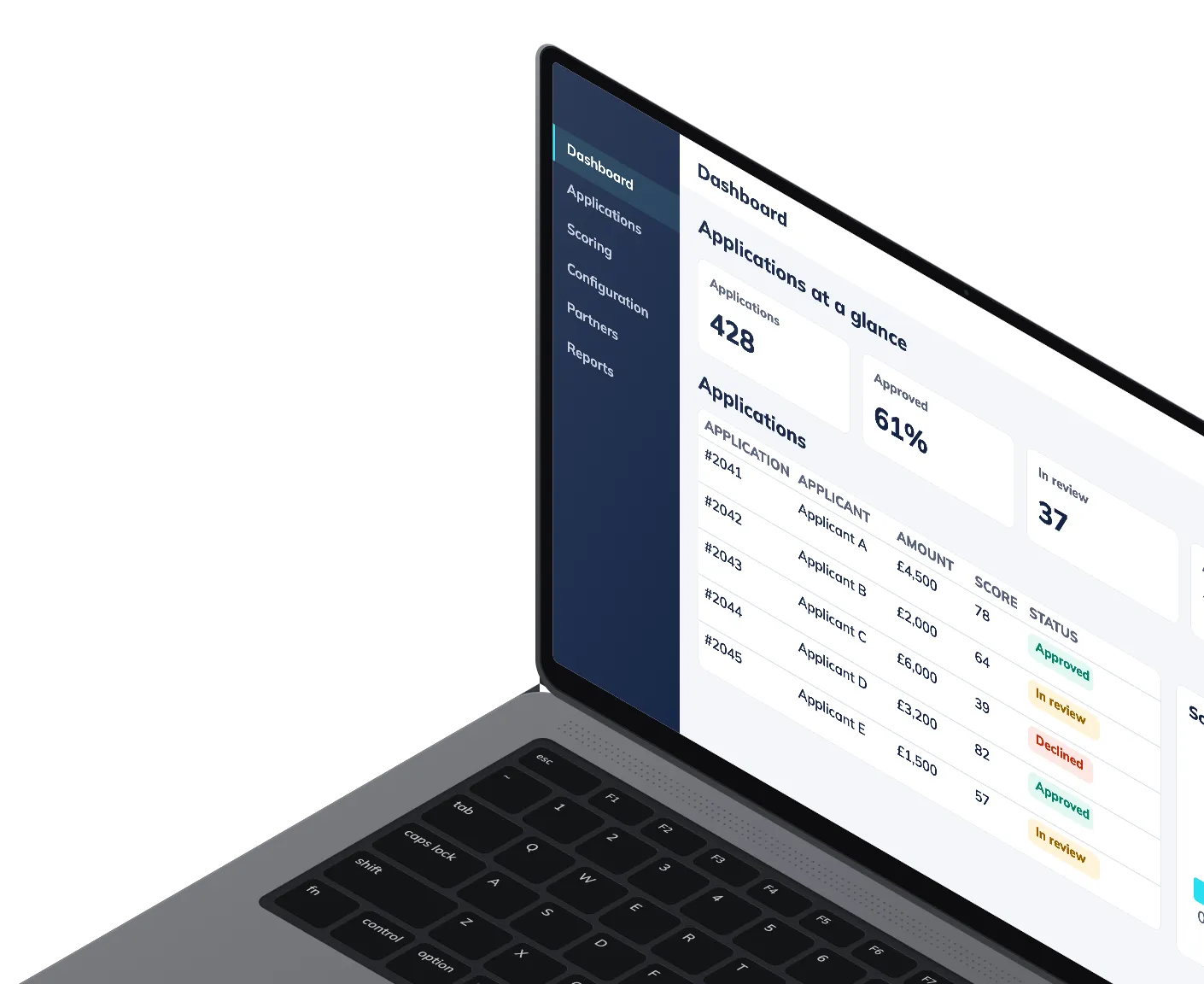
For a fintech startup we built a turn-key fair lending platform that keeps the data apart from the judgment. One module pulls Open Banking data and classifies it to the client's specifications. A separate one checks it against the client's scoring rules and returns the verdict.

From our fintech client

You can trust Octalance not just to build complex, original work, but also support the developed product and ensure it thrives after release.

CTO, UK-based fintech startup

How we work

How a build runs, from discovery to support

We run full-cycle development with AI tools you approve, and none of your code or data reaches a tool you haven't allowed. AI-written code passes an AI agent and a human before merge. Our cloud engineering and DevOps practice sets up pipelines and environments when a build needs them.

  1. Step 1

    Discovery and estimate

    We write the requirements and the backlog, draw the architecture, list the risks and price the build.

    Usually 2–4 weeks

  2. Step 2

    Delivery plan and team setup

    We agree the milestones and the price type, then staff the roles the plan needs: backend, frontend, QA (manual and automation), design and project management.

  3. Step 3

    Build in sprints with bi-weekly demos

    The team works remotely. You see working software at every demo, follow the tasks in Jira and talk to the engineers in Slack.

  4. Step 4

    Release and handover

    We ship once you accept the milestone. The code usually lives in your repositories, sometimes in ours, and moving out at the end of an engagement is routine.

  5. Step 5

    Support and maintenance

    Requests come in through Jira or Slack. Our engineer makes and tests each change, a second engineer reviews it, and your team approves the release, which goes out through your own process.

Why Octalance

What to check before you sign

Abstract 3D illustration of a task board of stacked blocks beside two chat shapes, suggesting a sprint demo with the clientAbstract 3D illustration of a task board of stacked blocks beside two chat shapes, suggesting a sprint demo with the client

Engineers vetted in three steps

Every engineer passes a technical skills assessment, a soft-skills evaluation and an analysis of their job history. Some roles add a live coding interview.

Mostly senior engineers

Company-wide, at least 80% of our engineers are senior-level or above, with 7 years of experience on average. Our testers count in both figures.

EU hosting for systems we control

Systems we control are hosted in the EU. When we work in your systems on staff augmentation, a managed team, support or discovery, we use named accounts you issue, removed at exit.

One company accountable end to end

Discovery, the build and support stay under one roof, and on a fixed-price project we commit as a company to the agreed scope and timeline. Meet the team behind the work.

An eHealth client came back

The eHealth provider whose platform we engineered came back for a patient portal. We built it on that same platform, so patient data stayed inside what had already passed certification.

Technologies

Stacks our engineers build in

Pick a stack your own team can hire for later. Beyond the six here, we also staff Vue.js, Flutter, React Native, PHP, Go, iOS and Salesforce specialists, plus DevOps engineers who work with CI/CD, Docker and Kubernetes.

Java services and back ends

Our Java and Spring Boot engineers join your team or a project we run. We built the eHealth platform, the patient portal and the fair lending platform in Java.

Java logo

Microsoft and .NET systems

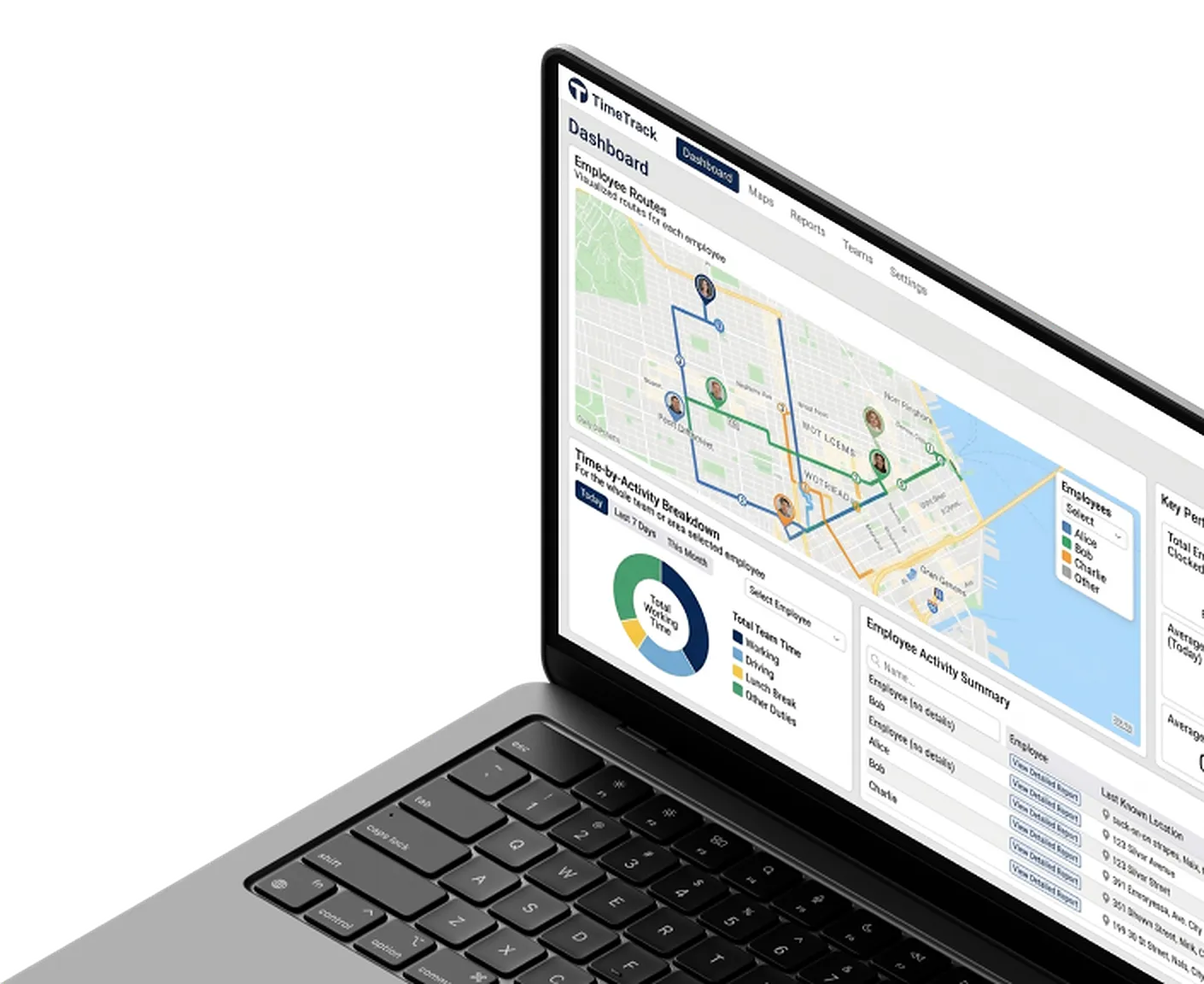
Behind the time-tracking suite's supervisor reports sits a .NET service in C# on MS SQL Server. Our .NET and C# engineers take on back-end services, APIs and integrations.

.NET logo

Node.js APIs and services

For API layers and real-time features, our Node.js and TypeScript engineers work with NestJS or plain Express, inside your team or a project we run.

Node.js logo

Python for data and back ends

Beyond Django and Flask back ends, our Python and Django engineers write data pipelines with Airflow and dbt, as in the warehouse we built for a DAO contributor platform.

Python logo

React and web front ends

Give our React and Next.js engineers your designs and APIs and they build the front end in TypeScript, with Redux where the app's state calls for it.

React logoReact logo

Angular web applications

The patient portal, the fair lending platform and the time-tracking web app all have Angular front ends. Our Angular and TypeScript engineers bring RxJS and NgRx to yours.

Angular logo

Price your build on real requirements

The price worth holding us to is the one we give after discovery, when we both know what we're building.

Dzmitry Kuchynski, Chief Operating Officer, Octalance

FAQ

Questions to settle before a build starts

What decides the price of a software project, and when do I get a number?

Three things set it. The first is how much has to be built, and a bigger project takes more time. The second is who is on the team and how many people. The third is the model and how it bills: fixed price per milestone or time and materials for a project, or per-engineer rates or a fixed monthly fee for a managed team. You get the number from the estimate at the end of discovery.

Who owns the code, and what happens if we stop partway?

You do. IP passes to you on payment, and we sign the NDA before work starts. On project delivery, you can stop a fixed-price project at the end of any milestone, or a time-and-materials one at the end of any bi-weekly demo. You pay for the work done up to that point, IP passes on that payment, and we hand over the code, the documentation and the discovery outputs.

I have no tech lead. Who directs the work?

On project delivery, we run the work, and our product manager co-owns the roadmap and backlog with you. You see working software at a bi-weekly demo, and each product decision stays yours. To direct a build, you need to know what the product has to do for the people using it. Reading the code is our job.

What happens if the build runs past the estimate?

On time and materials, the bi-weekly demos show where the work stands against the discovery estimate. If it looks likely to pass it, we say so at that demo with the reason and a revised estimate, and you decide whether to continue, cut scope or stop. We don't carry on past the estimate without your approval. On fixed price, the agreed price covers the agreed scope.

Can you take over software another team built?

Yes, and it starts with an audit. We read the code, its dependencies and how it is deployed and released, and look for missing tests and documentation. You get a written findings list with our recommendation on what to fix first. A short handover follows: access, environments, runbooks, and a walkthrough from the previous team where one is available. If the architecture itself is unclear, we run a discovery phase first.

What happens after launch?

Support and maintenance picks up, usually as a retainer plus hours or tickets by priority, agreed per client. Monitoring of the live product is part of the retainer. Work runs in CET/CEST business hours by default, and we shift the schedule for a US client. Response times are set in your support contract. There is no 24/7 cover, and out-of-hours on-call happens only if we agree it with you.

How long will a build take?

Discovery ends in an estimate and a delivery plan with milestones, and that plan sets the timeline, so we give no build duration before it. Early-stage work has typical ranges, which are not commitments. An MVP takes 2 to 4 months, a proof of concept up to 1 month and a proof of value up to 2 months, and a proof of concept or value can start without discovery.