Hire Azure developers for applications, data pipelines, cloud infrastructure and security work

To hire Azure developers, send us the role and the services you run. Within 7 days, we present candidates whose Azure design held up in our vetting.

Abstract 3D illustration of a white arch bridge linking two platforms, with an orange keystone at the topAbstract 3D illustration of a white arch bridge linking two platforms, with an orange keystone at the top

TECHNOLOGIES

What our Azure developers work with

C#/.NET

App Service

Azure Functions

Container Apps

Kubernetes on AKS

Azure SQL and Cosmos DB

Blob Storage and ADLS Gen2

Service Bus and Event Grid

Azure Data Factory

Synapse and Fabric

Azure Databricks

Microsoft Entra ID

Key Vault

Azure Monitor

Bicep and Terraform

Azure DevOps

AZURE WORK

What will an Azure developer own on your team?

An Azure developer owns applications, data pipelines, infrastructure as code or security work you name. Company-wide, our engineers average 7 years of experience and 80%+ are senior-level or above. You interview and choose, and whoever you pick works through accounts you issue.

Need Azure work delivered rather than people added? We also take on Azure work as a project. If you have a tech lead and want Azure engineers joining your team, these four areas are what they usually take on.

Apps and serverless backends

Web apps and APIs on App Service, event-driven code on Azure Functions, and Service Bus or Event Grid between services. Our engineers can also move on-premises SQL Server and .NET workloads to Azure.

Containers usually belong on Container Apps, which runs them with no cluster for you to manage. Kubernetes on AKS pays off when your team already runs clusters.

Data pipelines and warehousing

Azure Data Factory moves the data on a schedule into a warehouse on Synapse or Microsoft Fabric. Spark jobs run on Azure Databricks, and we have certified Databricks specialists.

Where the data lands (ADLS Gen2, OneLake, Azure SQL Database or Cosmos DB) depends on who reads it. A nightly report and a live application want different storage.

Infrastructure code and CI/CD

Bicep (or the ARM templates you already have) and Terraform describe the resources, and Azure DevOps or GitHub Actions builds and releases them.

Every change is a pull request, and its Terraform plan or Bicep what-if is reviewed before anything is applied, inside your own change process.

Security, access and cost

Applications sign in with managed identities, so no password sits in their settings, and private endpoints, with public access switched off, keep storage and databases off the public internet.

Azure Policy and Defender for Cloud flag drift from your rules. Cost Management budgets alert before a month overruns. Reservations or savings plans cut the price of steady compute.

WHICH ROLE

Which engineer fits your Azure work?

The role follows the job you need done

Four kinds of engineer list Azure on a CV. Which one you need depends on the job, and a wrong pick usually shows within the first few weeks.

Azure developer

When your product runs on Azure and the job is to build it, an Azure developer is the hire. They write the application itself, such as APIs on App Service, serverless backends on Azure Functions or services in containers. They also know what each of those choices exposes and what it costs to run. Ours write C#/.NET, Python, Node.js or Java. They are the wrong hire when the application is finished and the problem is how it gets released.

DevOps engineer

Slow builds, manual deploys or a pipeline nobody wants to touch make the pipeline itself the job. Our DevOps engineers own builds, tests and releases in Azure DevOps or GitHub Actions, and treat the application as the thing passing through.

Data engineer

If the work is mostly moving and shaping data, such as pipelines in Azure Data Factory or a warehouse on Synapse or Microsoft Fabric, a data engineer will get further than an application developer. We staff both. The line between them is usually clear once you list what the person will build in their first month.

AI or ML engineer

If the job is putting a model into the product, such as an assistant that answers from your documents or a forecast trained on your data, look at an AI or ML engineer. Their assessment and live coding interview cover production scenarios: designing a RAG pipeline or an evaluation set, latency and cost trade-offs, and handling model drift. On Azure, that model can run in an Azure OpenAI account of your own. An Azure developer still builds the application around the model.

If you run a second cloud next to Azure, we also staff AWS engineers for multi-cloud work, where we have certified engineers too, and on Google Cloud our engineers work hands-on.


Abstract 3D illustration of four white block stacks of different heights, one capped in orange, four roles comparedAbstract 3D illustration of four white block stacks of different heights, one capped in orange, four roles compared

Not sure which of the four roles you need?

Tell us what the engineer should build or fix in the first month, and we will say which role fits and who we can present.

CASE STUDIES

Data and application projects on Azure

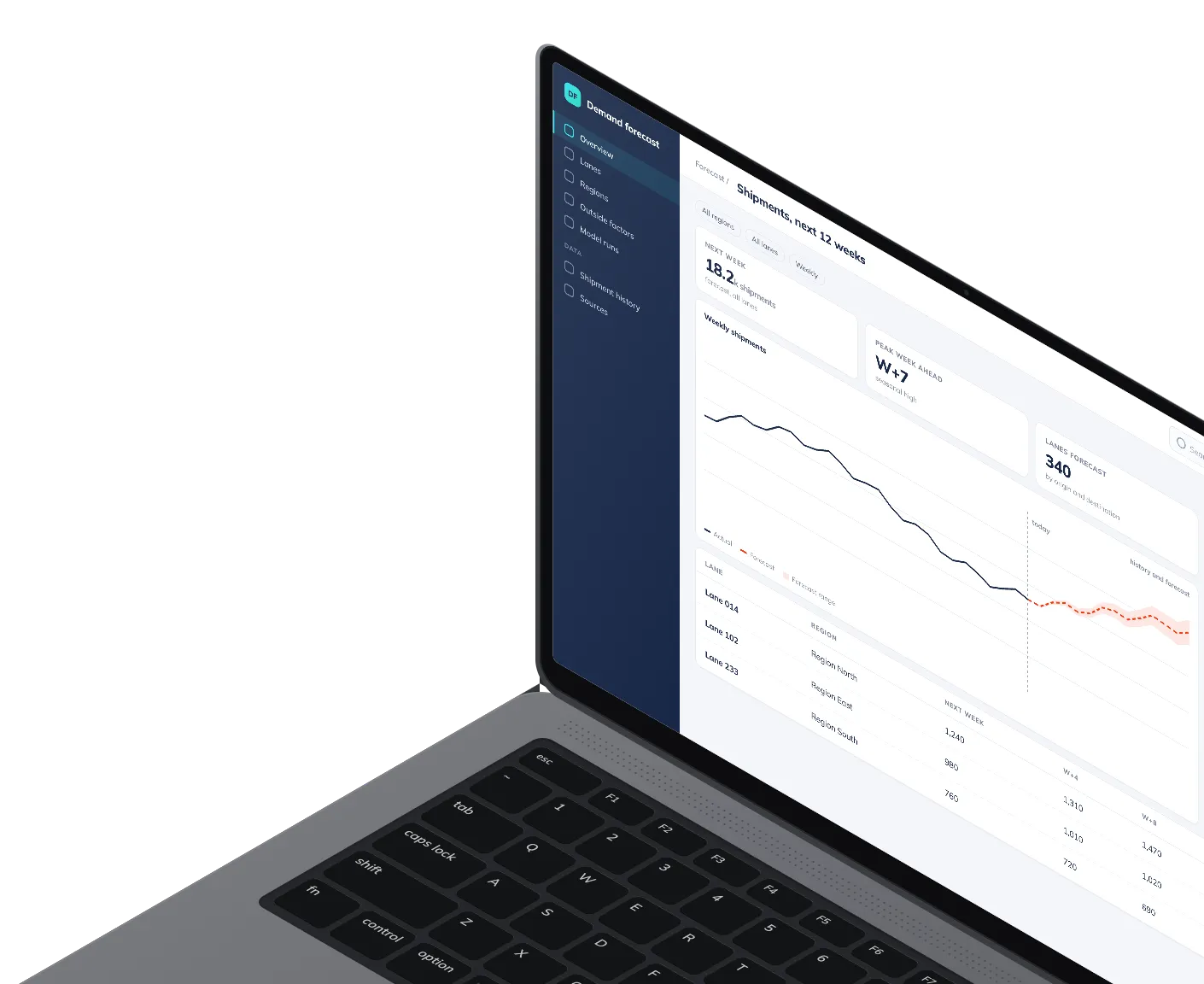
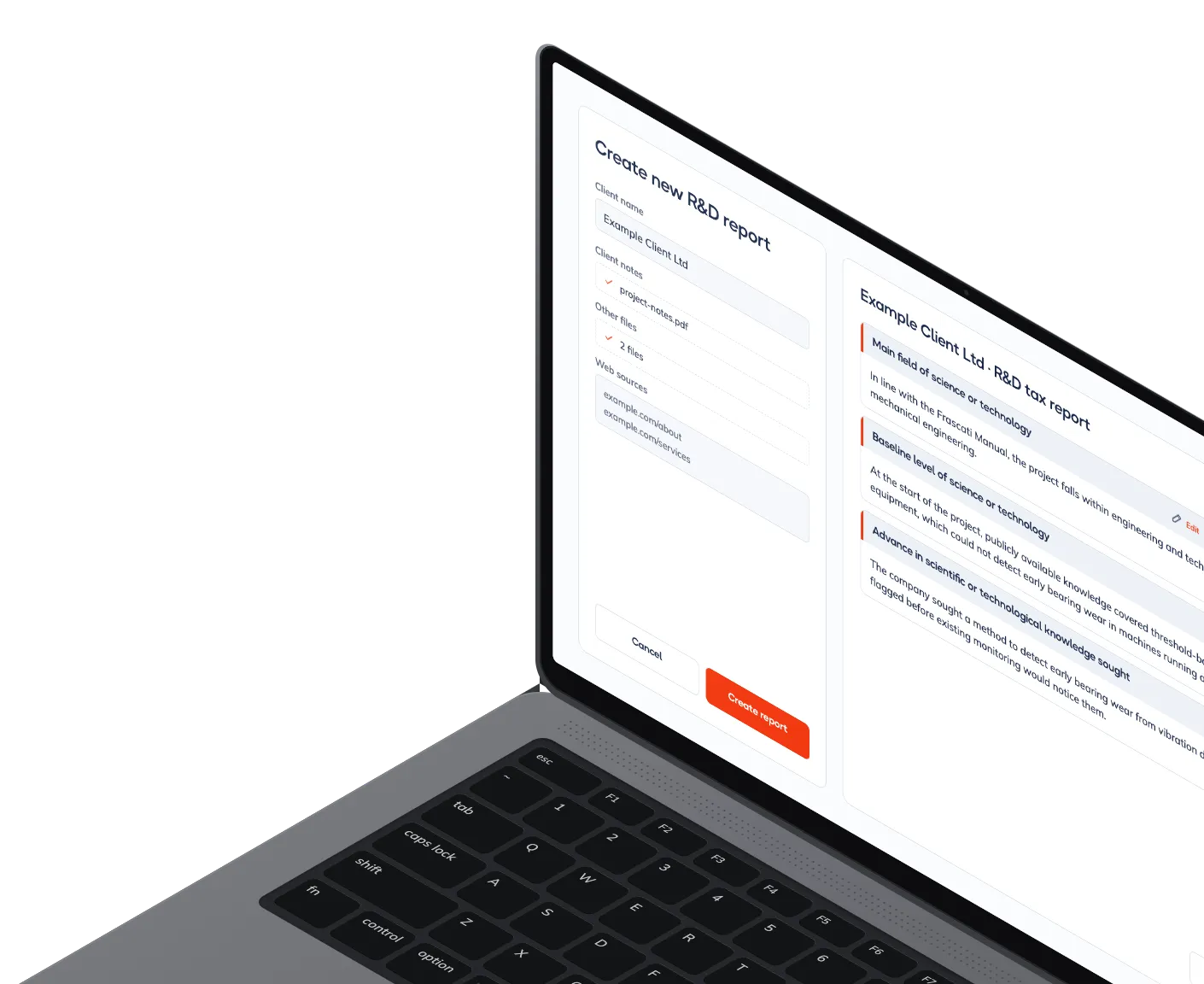
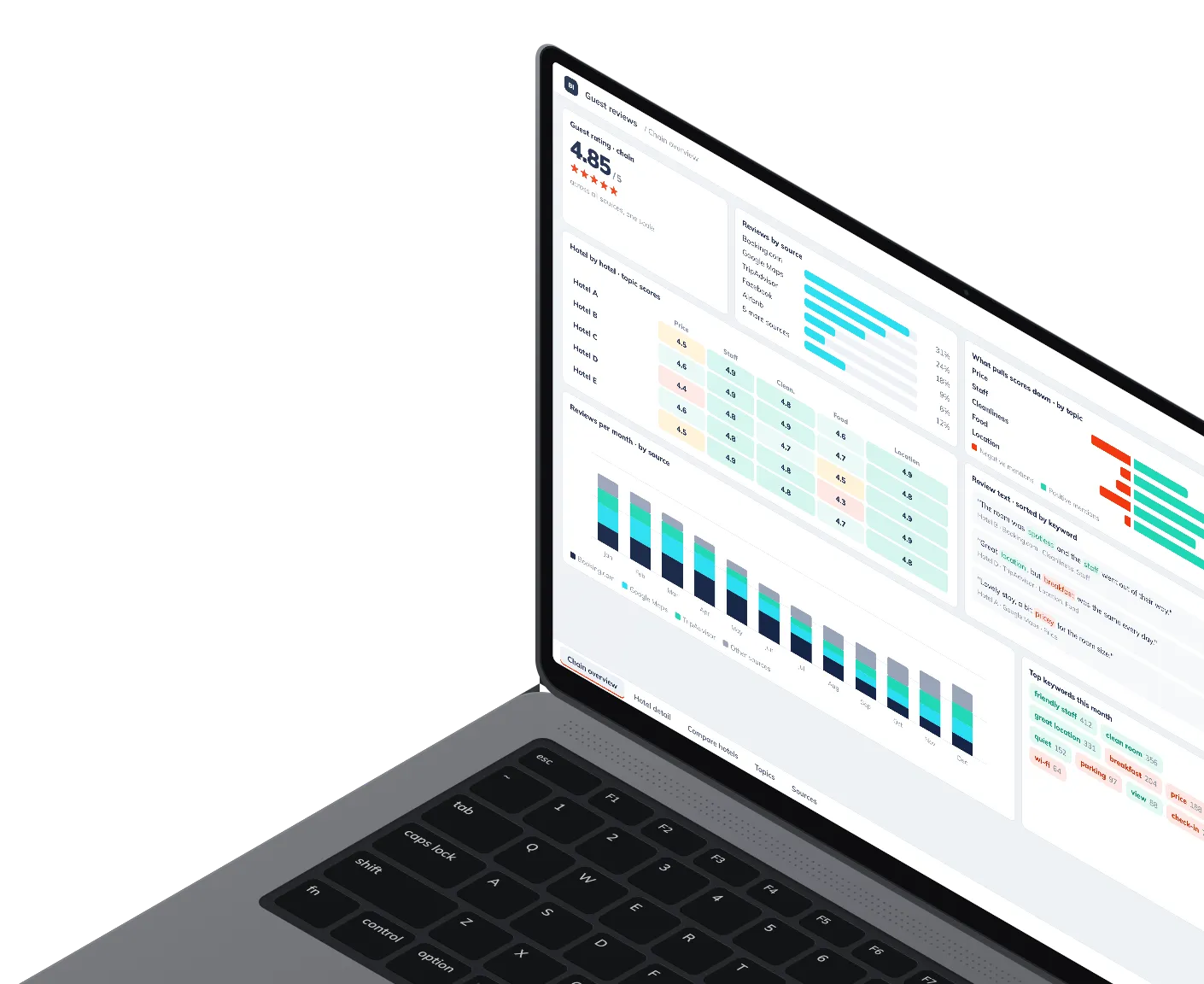
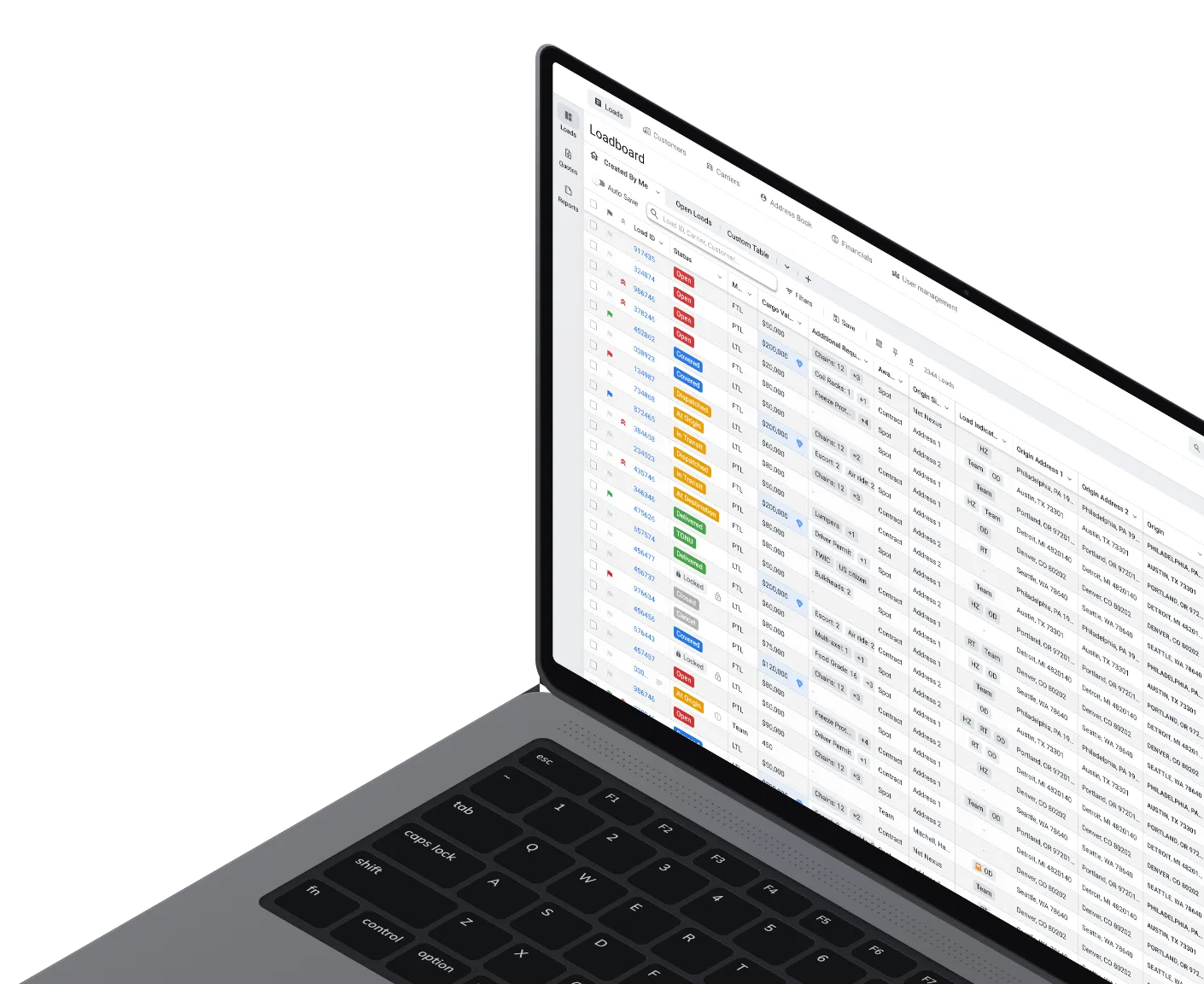
Each of these projects ran on Azure, and our part was the application or the data on it. On the demand forecast, the R&D tax drafting system and the product information system, our engineers also built the CI/CD that ships the code, with Docker on the last two.

None of the five is a migration to Azure: the forecasting system already ran there before we moved it onto Databricks. More of our cloud and DevOps work, some of it on Azure, sits under client NDAs. For infrastructure skills, our practical Azure design task is the fairer test.

HOW WE VET

How are Azure engineers vetted before you meet them?

A practical task judged on what the design exposes and costs

Every candidate goes through three steps before reaching your shortlist: a technical skills assessment, a soft-skills evaluation and an analysis of their job history. For an Azure engineer, the first of the three is built around Azure.

The Azure assessment and its practical task

The assessment covers Azure architecture and services (compute, storage, networking and Microsoft Entra ID), infrastructure as code in Terraform or Bicep, and CI/CD in Azure DevOps or GitHub Actions. Then the candidate designs a real-world Azure setup, and we judge the design on its security and on what it would cost to run.

Soft skills, the CV and live coding

The soft-skills evaluation covers how they communicate in English, take feedback and work in a team. The job-history analysis is our check of the CV. Some roles also get a live coding interview, where the candidate writes code and talks through their choices. A background check, which verifies that the CV is genuine, runs only when a client asks for one.

Questions for your own interview

With staff augmentation, you interview every candidate before anyone starts, and you can turn any of them down. Our technical interview can be part of your selection, with full visibility.

Three questions get past the CV quickly. How does an App Service app read a Key Vault secret with nothing stored in its settings (a managed identity)? How would you keep a Storage account off the public internet (a private endpoint, with public access turned off)? What do you check in a Bicep what-if before deploying? A strong answer starts with the changes to resources that already exist.

Abstract 3D illustration of white cloud-shaped blocks under an orange magnifying lens, one block lifted out for checkingAbstract 3D illustration of white cloud-shaped blocks under an orange magnifying lens, one block lifted out for checking

ACCESS

How do Azure engineers get into your tenant?

Through accounts you issue, and no other way. The rule is the same for one engineer as for a dedicated Azure team, whatever the role or the stack. Your security team will ask about it before anyone else does.

The risk is rarely the day an engineer joins. It is the account still active six months after they left, or the shared admin login nobody can trace. Named accounts close both gaps, since every change carries a name and your admins can disable any account themselves.

Named Entra ID accounts

You create each engineer's account in your own Microsoft Entra ID and give it access to the subscriptions they work in.

Nobody shares a login, and nobody works from an account of ours.

Access scoped to the role

Azure RBAC grants each account a role at the subscription or resource-group scope the work needs, and no wider.

Credentials the work needs belong in Key Vault, where reading secrets is a permission you grant.

Model calls in your account

If the work includes AI features, the models can be called through your own Azure OpenAI account, so the model runs under your account in your cloud.

Access removed at exit

As part of transition-out, every account and role the engineer held is removed when they leave the engagement.

A week later, your Entra ID sign-in logs should show nothing from that account.

PROCESS

How an Azure placement runs

The durations are typical. The commitment we make is to present candidates within 7 days of your request. You interview everyone before anyone joins. Need other stacks as well? We staff developers for any technology on the list.

  1. STEP 1

    Define the Azure role

    We agree the role, its seniority, the Azure services you run and what the engineer will own in the first months.

    1 day

  2. STEP 2

    Match vetted candidates

    We shortlist engineers who have passed our assessment, the practical Azure task included, and send you their profiles.

    1–2 days

  3. STEP 3

    Interview your shortlist

    You interview whoever on the shortlist interests you and decide who joins your team.

    1 day

  4. STEP 4

    Onboard and start work

    We handle the contracts and security setup, and you issue the named Microsoft Entra ID accounts the engineer works through.

    1–2 days

HOW WE WORK

Engagement models and terms

Staff augmentation

Our engineers join your team and work in your process and tools. You manage them; we source, vet and contract them.

Hourly rate per engineer by role and seniority, invoiced monthly.

  • If an engineer isn't the right fit, we replace them within 14 days at no extra cost.
  • Knowledge transfer to the replacement engineer isn't billed.
  • There is no free trial period.
  • 30 days' notice to take an engineer off or end the engagement, with no minimum term beyond it.
  • Out-of-hours on-call only if agreed with you; we set its hours and billing together.
  • After two years, moving an engineer onto your own staff is something we can discuss.

Managed team

An agreed team capacity that we manage. We coordinate delivery and handle the team's make-up. You set the priorities and own the backlog.

Per-engineer rates, or a fixed monthly fee for the agreed capacity.

  • We handle replacements ourselves, and the team keeps its agreed capacity and pace.
  • Engineers work full-time for your team only.

Project delivery

We deliver an agreed scope end to end: plan, team, milestones, QA and release. You make the product decisions and accept each milestone.

Fixed price per milestone after discovery, or time and materials against an estimate.

  • Scope changes go through change requests.
  • On fixed-price projects, a warranty period agreed in the contract, usually 30–60 days.

Whichever model you choose

  • We reply to an inquiry from the contact form within 24 hours.
  • We sign an NDA before work starts, and IP passes to you on payment.

WHY OCTALANCE

Why our Azure engineers are worth the interview

Abstract 3D illustration of four white blocks on a raised step beside a white cloud shape, the leading block in orangeAbstract 3D illustration of four white blocks on a raised step beside a white cloud shape, the leading block in orange

Certified Azure engineers

We have certified Azure engineers on the team. A certificate shows what someone has studied. Designing an Azure setup in our assessment shows how they weigh security and cost.

A lead when Azure is new to your team

If nobody on your team has built on Azure before, ask for a lead-level engineer to run the technical side of that work. Your tech lead still sets the priorities.

Your working hours

CET/CEST business hours are the default. For a US team we can arrange 4+ hours of daily overlap with the West Coast, and more with the East Coast, by choosing the location and shifting the schedule.

A person signs off AI-written code

Our engineers use AI tools where you allow them. Before code written with one is merged, a person reviews it, after a second AI agent has checked it.

Designs that still make sense on the bill

"Any Azure design can be made to work. The ones worth hiring for still look sensible on the bill and in the access list a year later."

Dzmitry Kuchynski, Chief Operating Officer, Octalance

FAQ

Questions to ask before you commit to Azure engineers

What sets the price of an Azure engineer, and how is it billed?

Mostly how many engineers you use, and their seniority. Under staff augmentation you pay an hourly rate per engineer by role and seniority, invoiced monthly. Rates are agreed with each client, so this page states none. The price types for a managed team and for project delivery are under Engagement models and terms on this page.

How do we choose between staff augmentation, a managed team and project delivery?

Start with who will run the day-to-day work. With a tech lead and a working process on your side, staff augmentation adds the Azure skill fast and you manage the engineers. A managed team suits priorities that keep moving, when you can still define the roles and capacity up front and want a predictable monthly cost. With no tech lead, take project delivery. You describe the outcome you need, and we plan the work and run the team.

Are your Azure engineers certified, and are you a Microsoft partner?

We have certified Azure engineers, and certified AWS engineers too. We don't publish certification titles or a head count. Octalance is not a Microsoft partner and works as an independent team. If a partner status is a procurement requirement for you, tell us early, because we can't meet it.

How soon can an Azure engineer start?

We present matched candidates within 7 days of your request. It can happen sooner, but that isn't guaranteed. The start itself follows your interview and onboarding, so the 7 days is about sourcing, not a start date. How quickly you can interview and issue accounts sets the rest.

Can an engineer join our on-call rotation or incident process?

Yes, on hours and billing agreed with you. An engineer placed through staff augmentation can take part in your incident process and on-call rotation. Their default is CET/CEST business hours, and out-of-hours on-call happens only when we have agreed it. We run no shifts, so there is no round-the-clock cover.

Who owns the code and the infrastructure definitions?

You do, once the work is paid for. The code usually lives in your repositories, and the Bicep or Terraform that describes your Azure resources sits beside it. In your repositories, the history of every change stays with you after the engagement ends.

Our application is .NET. Do your Azure engineers write C#?

Yes. Our Azure engineers build backends in C#/.NET, as well as in Python, Node.js and Java. If most of the work sits inside the application, such as a framework upgrade or a large C# codebase that happens to run on Azure, a .NET developer is the better hire, and we staff those too.