Python web applications
Server-rendered apps and the back ends behind single-page front ends, on Django or Flask, with PostgreSQL underneath and Celery on Redis for background jobs.


Hire Python developers vetted on the frameworks they claim, with different tests for web and data engineers. We present candidates within 7 days.


TECHNOLOGIES
Python
Django
Flask
FastAPI
Apache Airflow
dbt
NumPy
Pandas
SciPy
PostgreSQL
MongoDB
Redis
GraphQL
AWS Lambda
THE JOB FIRST
“We need a Python developer” isn't a job description yet. Decide the job and the framework follows: a product with users and an admin screen points to Django, one small service to Flask, an API other teams depend on to FastAPI, and data work to NumPy and Pandas. Tell us which is yours, and we shortlist for it.
Django gives you the ORM, the admin and authentication on the first day, in a layout any Django engineer already knows. The price is its conventions. An engineer who fights them, wrapping the ORM or rebuilding the admin by hand, is the warning sign to listen for in an interview, because the next person inherits two frameworks.
Flask is a small core, and you choose every other piece, which suits one service with a narrow job. FastAPI is built for async work and generates request validation and OpenAPI docs from your type hints. Once other teams code against your API, the contract matters more than the code behind it, and FastAPI keeps the two from drifting apart.
Data work is a different hire, tested differently. A data engineer's assessment covers SQL on large tables, data modeling and a pipeline design task. A data scientist's covers SQL and Python on real data and a modeling task. An engineer who writes a clean FastAPI endpoint may never have tuned a Pandas job that runs out of memory at ten million rows, and the reverse is just as common. Our engineers work with NumPy, Pandas and SciPy, and which side your job sits on decides who goes on the shortlist.

SERVICES
Our engineers take a seat on your team for any of the five kinds of work here, and you can mix them, one on the API and another on the pipeline that feeds it. If you would rather we build the product, that is custom application development, run as a project.
With staff augmentation, these are Python engineers added to your team. They take tickets from your board, usually push to your repositories and answer to your tech lead. You run their day. We source and vet them, sign the contract and stay in touch.
Server-rendered apps and the back ends behind single-page front ends, on Django or Flask, with PostgreSQL underneath and Celery on Redis for background jobs.
REST and GraphQL APIs in FastAPI, Flask or Django REST Framework, real-time features over Socket.IO, and small event-driven jobs that fit inside AWS Lambda.


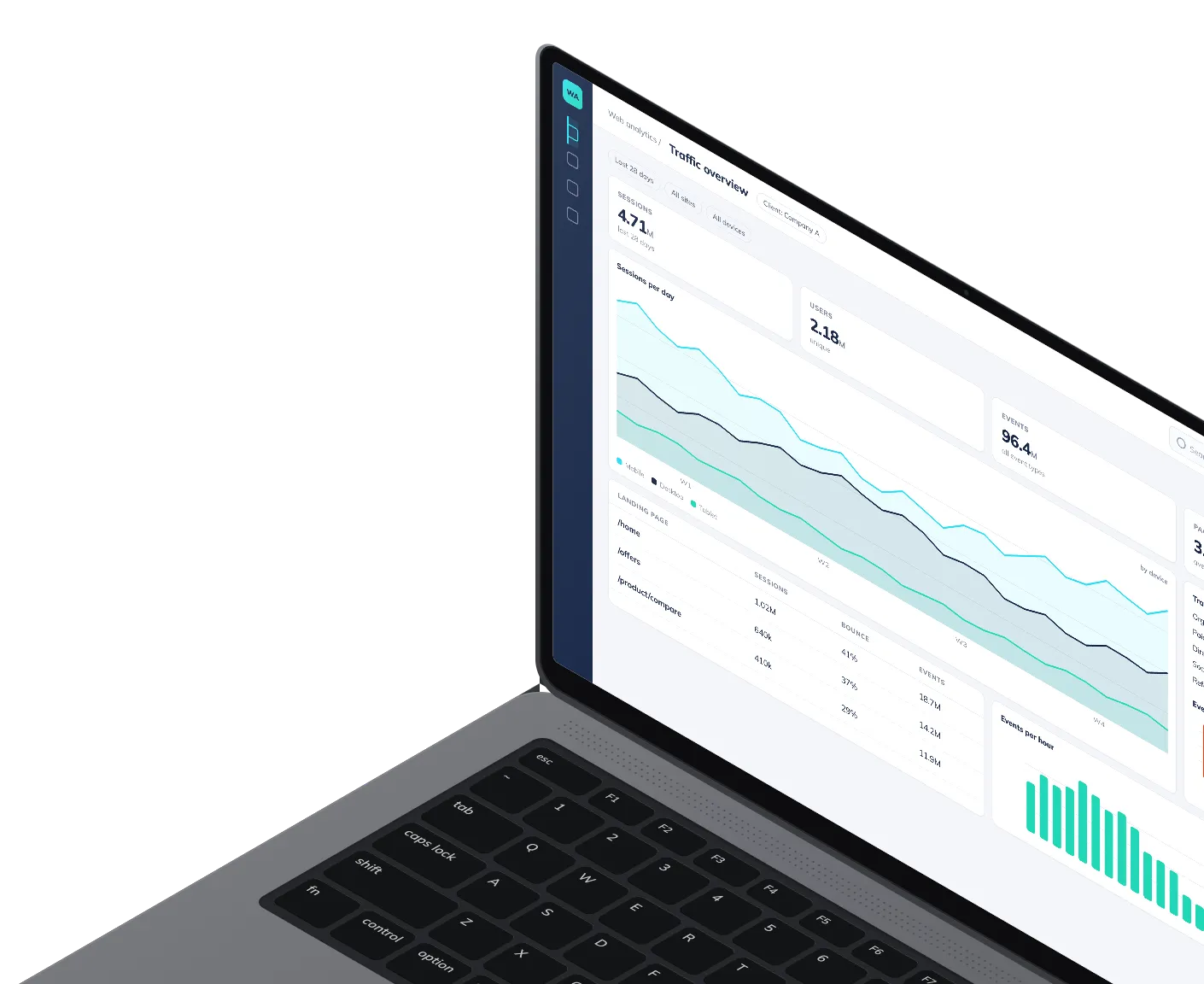
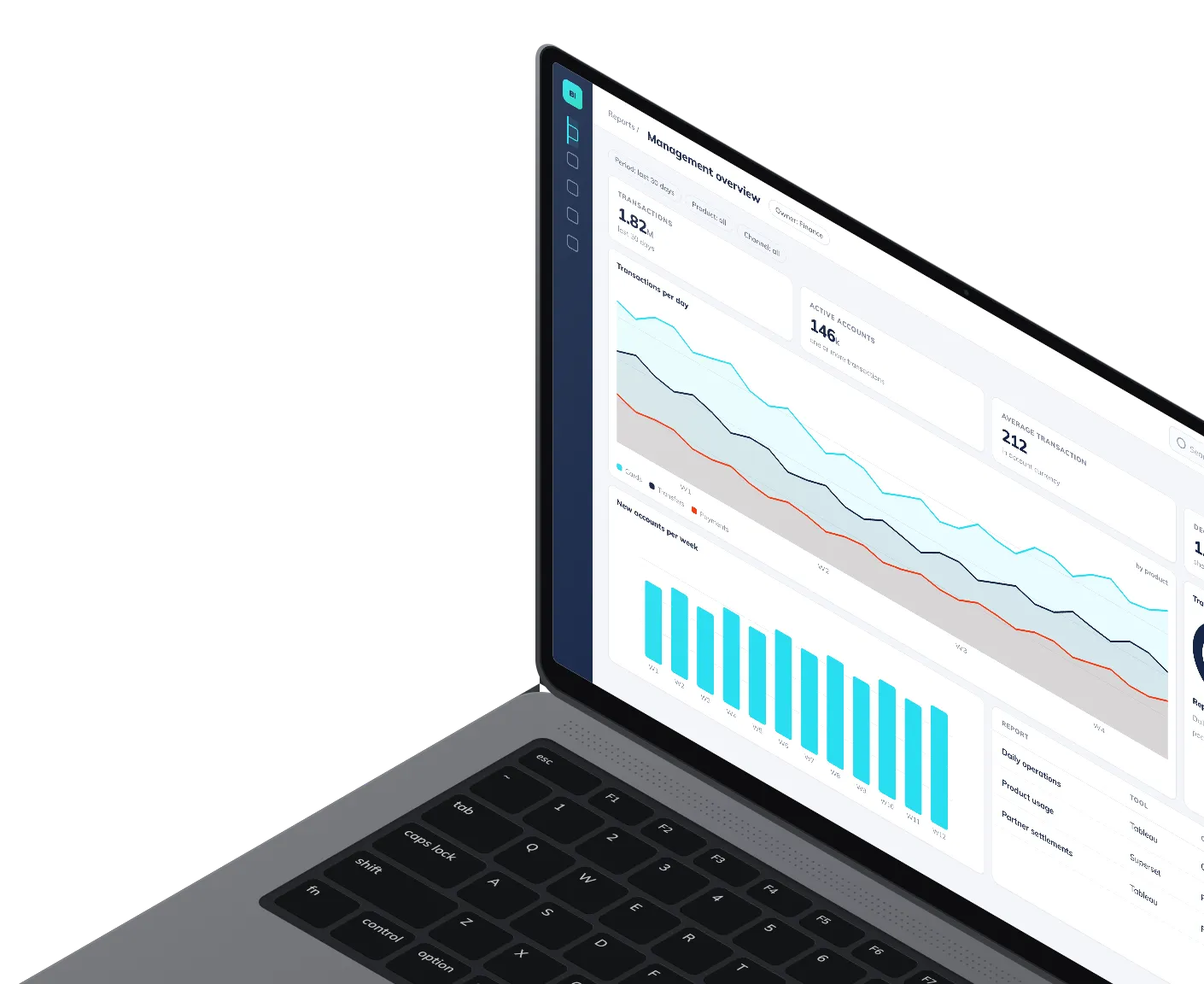
Scheduled pipeline code that cleans and moves data, and analysis in NumPy, Pandas and SciPy that gives the same numbers when you rerun it next month.


A first version scoped to the one question you need answered. An MVP typically takes 2 to 4 months, after a discovery phase of 2 to 4 weeks.


Code another team wrote, or a contractor left half-documented. Our engineers add the pytest suite it never had and keep building on it.


Start with one seat, or grow into a dedicated Python team that we manage while you set the priorities.

WHERE WE USED PYTHON
For an AdTech company we refactored a mostly idle Python and Apache Airflow pipeline so its jobs start on events, and its cloud cost fell from $10 to $0.25 a day. We also built a Python and Apache Beam pipeline for a health app, and load-tested its merge of two event streams before launch.
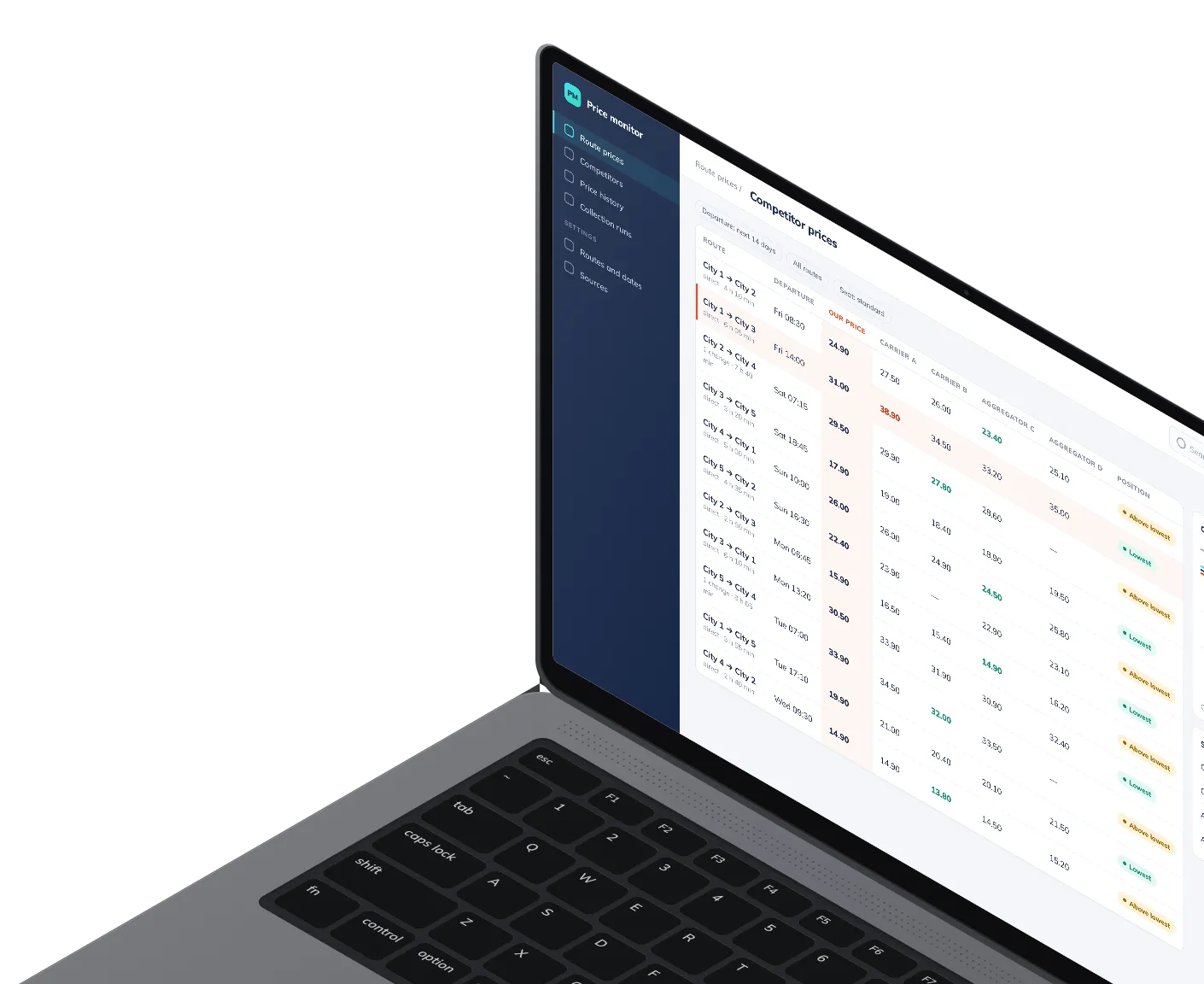
We set up Python and Apache Airflow price collection for a bus travel company, one workflow per source, so a new aggregator doesn't touch the others. A trading platform's analytics data came through one REST API it couldn't change. We left the API alone and wrote a Python wrapper library over it.
PROCESS
Each step shows its usual time. What we commit to is presenting matched candidates within 7 days of your request. You interview your shortlist before anyone joins, and you can browse every technology we staff first.

STEP 1
Tell us which kind of Python work it is, the stack it runs on and who the engineer will report to. We write the brief the shortlist is matched against.
1 day

STEP 2
From engineers who have already passed our vetting, we pick the ones who fit that brief and send you their profiles.
1–2 days

STEP 3
You interview the candidates you want to meet, on your own questions if you have them, and choose who joins.
1 day

STEP 4
We sign the contracts and the NDA, and work through your security checks and access setup with your team.
1–2 days
HOW WE WORK
Our engineers join your team and work in your process and tools. You manage them; we source, vet and contract them.
Hourly rate per engineer by role and seniority, invoiced monthly.
An agreed team capacity that we manage. We coordinate delivery and handle the team's make-up. You set the priorities and own the backlog.
Per-engineer rates, or a fixed monthly fee for the agreed capacity.
We deliver an agreed scope end to end: plan, team, milestones, QA and release. You make the product decisions and accept each milestone.
Fixed price per milestone after discovery, or time and materials against an estimate.
WHAT YOU GET


A Django candidate gets Django questions and a FastAPI candidate FastAPI ones, at the seniority they claim. Then use your interview on what a test can't show, like the last Python upgrade they ran.
Choosing Django over FastAPI, or seeing that a script has quietly become a service, is a call best made by someone who has lived with the last one. That judgment is what seniority buys you.
Projects run in English, in your own channels and tracker. On a managed team or a project, a demo after each sprint shows you working code, which tells you more than any status report could.
When the work moves from a Python service to a warehouse or a model, the same engagement can take on our data engineers, data scientists or AI engineers.
Ask for a lead-level engineer to set up your first FastAPI service or Apache Airflow pipeline. Leads are vetted differently from mid-level engineers, and your tech lead still sets priorities.
WAREHOUSES AND AI
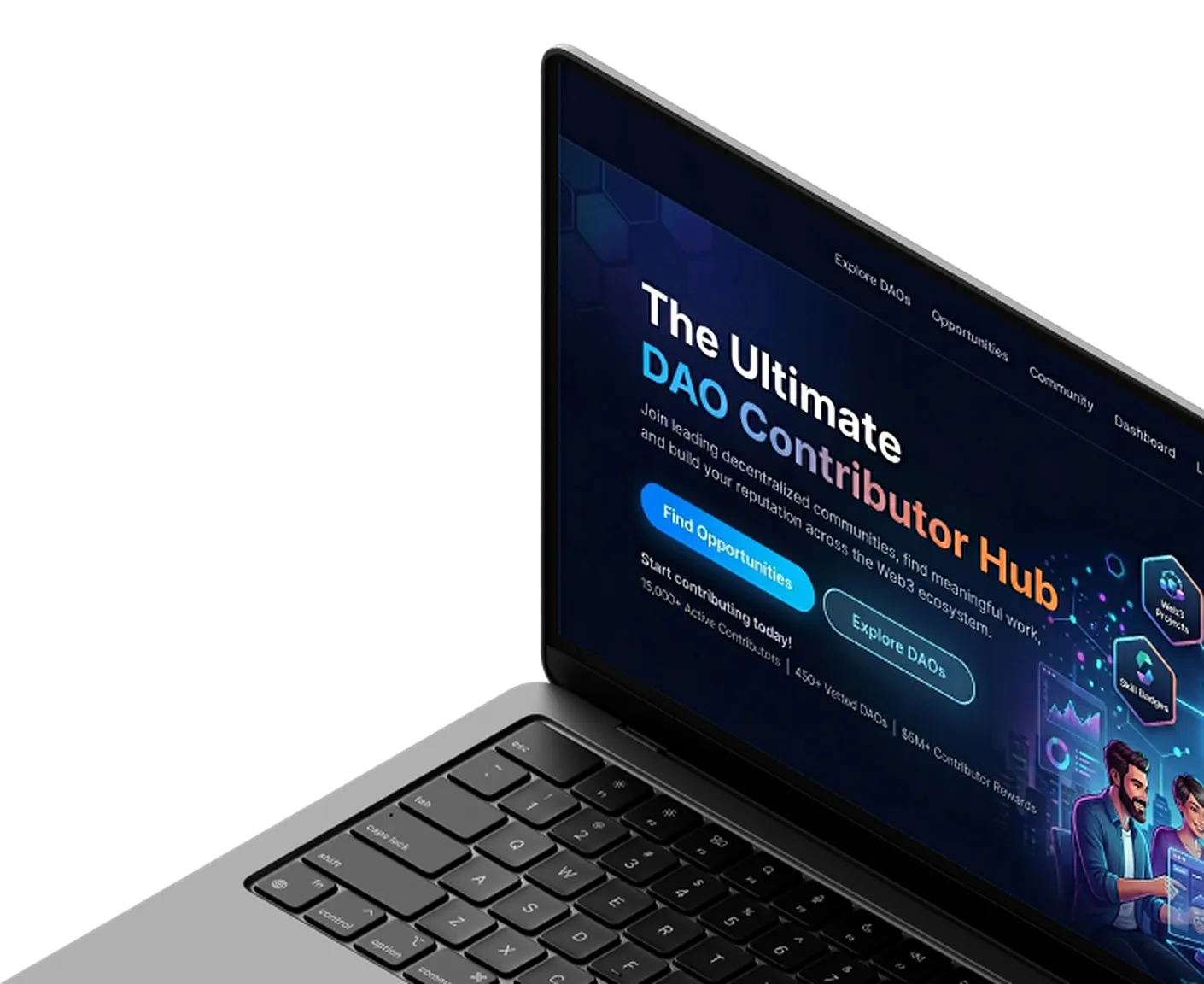
A DAO platform kept paying for repeat API calls until we built an external data warehouse with Python pipeline code on Apache Airflow, dbt, AWS Athena and S3. For a fintech whose analytics ran on the production database, we wrote Python and Apache Airflow pipelines into a Vertica warehouse.
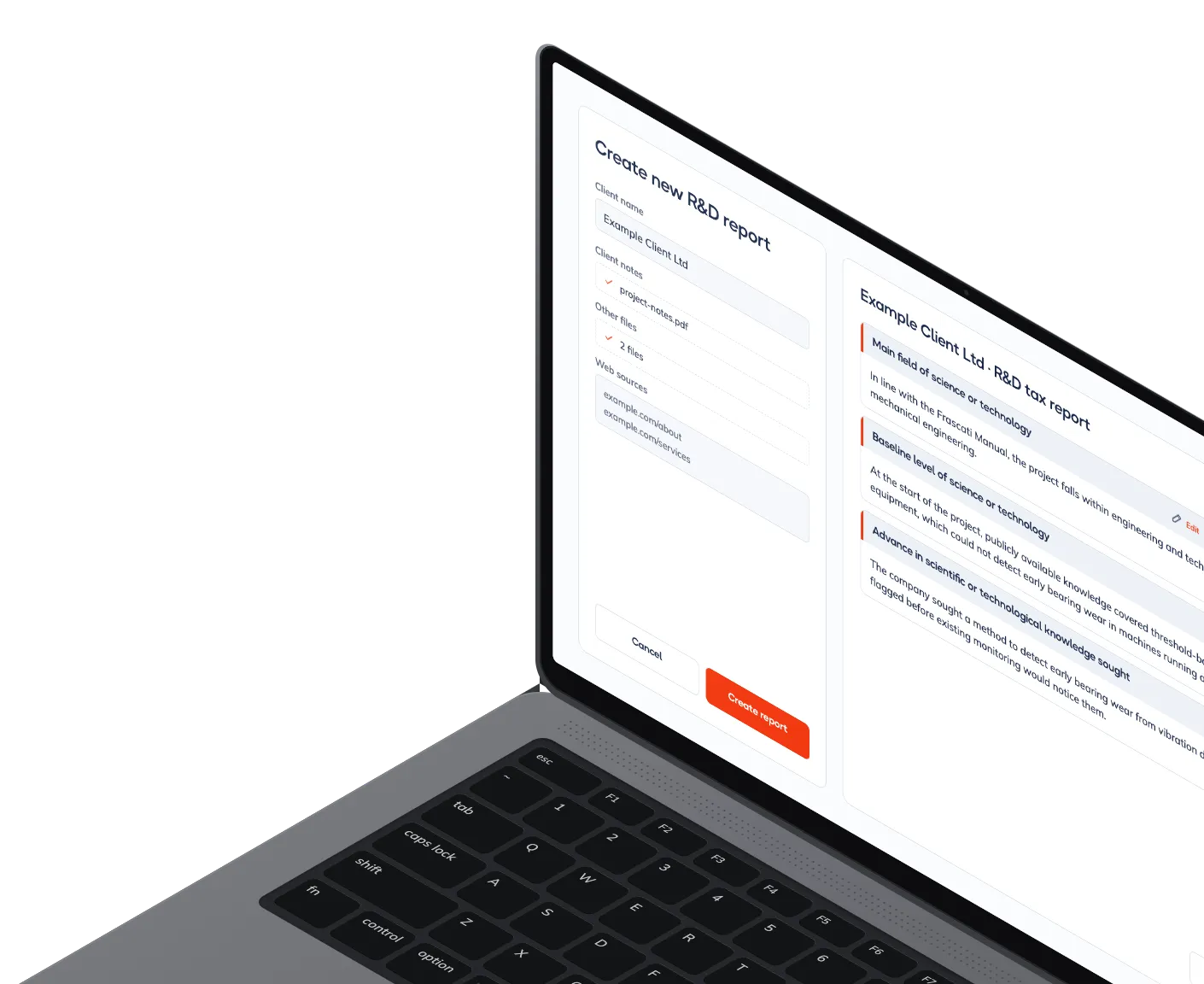
We wrote Python loading code for a biopharma warehouse, replacing nested views with tables and incremental loads. For a tax firm we built a generative AI application with a Python orchestrator, which drafts an R&D tax report in under 3 minutes for a consultant to edit and sign off.
BY THE NUMBERS
7 years
Average experience, company-wide
80%+
Senior-level or above, company-wide
50+
Projects delivered by our team
7 days
To present matched candidates

"Python makes working code easy to write. What we look for is code the next engineer can still change a year later."

Dzmitry Kuchynski, Chief Operating Officer, Octalance
FAQ
Rates are agreed per client and we don't publish them. Staff augmentation is an hourly rate per engineer by role and seniority, invoiced monthly. A managed team is per-engineer rates or a fixed monthly fee, and a project is a fixed price per milestone after discovery, or time and materials against an estimate. With engineers the price follows how many you use, and a bigger project takes more time. The other terms are in the Engagement models and terms section.
We present matched candidates within 7 days of your request. It can happen sooner, but that isn't guaranteed. Once you've chosen someone, the first working day depends mostly on how quickly your side can issue access. The engineer then usually works in your repositories and channels, on your hours. For a US team we arrange 4+ hours of daily overlap with the West Coast and more with the East, and UK and EU teams get the full working day.
Under staff augmentation, yes: you interview every candidate before anyone starts, and you can turn one down on the CV or after the interview. Our own technical interview and live coding can also become part of your selection, with full visibility for you. On a managed team or a project we pick the team and answer for it, and you can interview the key roles.
Under staff augmentation we replace them within 14 days at no extra cost, and stopping takes 30 days' notice, with no minimum term beyond it. On a managed team, replacements are ours to handle. The code usually lives in your repositories already, sometimes in ours, and handing over at the end is routine.
They can, and it starts with an audit. We read the code, its dependencies and the way it is deployed and released, and note where tests and documentation are missing. In Python that usually means a hard look at the version it runs on and how its dependencies are pinned. You get a written list of findings with our view on what to fix first. A short handover follows, covering access, environments, runbooks and a walkthrough from the previous team where one is available. A working codebase rarely needs a rewrite, and we'll tell you when yours doesn't.
Sometimes. A Python engineer who knows NumPy and Pandas can carry analysis and pipeline code beside an API, until the data side needs a person of its own. That point usually comes when other teams start to rely on the pipeline's schedule, or when a model needs retraining and checking. At warehouse scale a data engineer should own the work, and you can add data engineers who build the pipelines to the same team.
Yes. We provide architects and consultants for Python who advise rather than write the code, usually part-time or on a project basis. An audit is that kind of work, whether it looks at your architecture or at a Python codebase you already run. It pays off most before a decision that is hard to reverse, such as the framework for a new product or whether to keep building on the code you have.