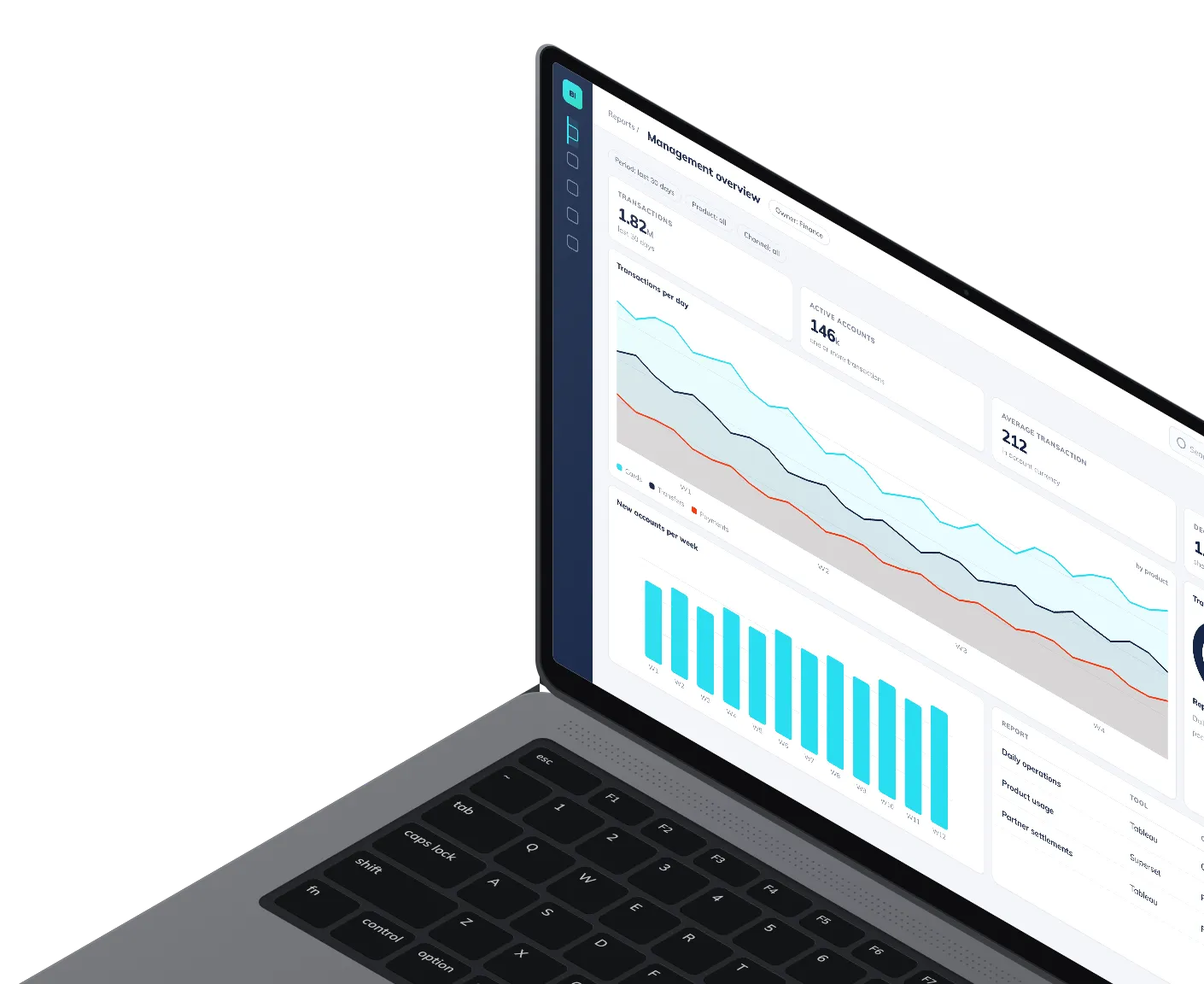
An idea without a spec
You know the problem and who has it. What the first version must do is still open, and so is its price. The phase turns that into requirements and a backlog you can budget against.


We run the discovery phase software development needs when the plan is still open. It has a fixed price and usually takes 2–4 weeks.
The short answer
A discovery phase is short, paid work that settles what you are building and what it will cost before anyone writes production code. It ends with written requirements and a backlog, an architecture, an estimate with a delivery plan, and a list of risks. A prototype joins them when a flow needs testing.
An architect, a business analyst and a delivery manager run it. A lead engineer and a UX specialist join when the project needs them. You can buy the phase on its own, or as the first stage of a build with us, where it fixes the requirements and the architecture before development starts.
A discovery phase may end in "don't build this". It has to be allowed to. On AI and data-science work, where we agree a test set and a go-live bar with you before a build, the phase also says when a model or AI isn't the right answer.
When it fits
Discovery earns its fee when a wrong guess would cost more than the phase itself. On an old system nobody has documented, it covers ground close to a legacy system audit, and you get the architecture and its risks in writing.
You may not need one. If the scope is already written down, the architecture is settled and someone on your side can direct engineers, skip the phase and start a project, or add engineers to the team you already run.
You know the problem and who has it. What the first version must do is still open, and so is its price. The phase turns that into requirements and a backlog you can budget against.
It runs and it pays the bills, but the people who built it have moved on. Before anyone plans a change, the phase writes down what the system must keep doing and where the risks sit.


The team agrees on what to build and is split on how. The phase settles the architecture and the technologies behind it, and writes down the risks before the first sprint.


What you walk away with
Written requirements, and a backlog in priority order.
A diagram and a written description of the system you will build: its components, its integrations with the software you already run, and each technology choice with the reason for it. The reasons matter most, because they are what the next team will question.
An estimate of the build and a delivery plan, both resting on the requirements above. You can test them against your budget, and against any other quote you hold, before you sign anything.
What could go wrong in the scope, the integrations or the existing system, listed while changing course is still cheap. A risk list may say the build should wait. That is a useful result, and an inexpensive one.
When a flow needs testing before anyone codes it, the phase can include a clickable prototype from the design team. Our UI/UX designers build it.
Not every phase needs it. When yours does, it can include product discovery with a product manager, who runs the interviews and tests the problem framing with the people who will use the product.
How it runs
From your side, the phase needs access to the people who know the problem, and to any existing documents or system. The steps run in this order for a reason. The estimate comes after the requirements and the architecture because it rests on them.

STEP 1
The business analyst gathers what the product must do, who it is for and what already exists. The requirements and a prioritized backlog are written from that.

STEP 2
Working from those requirements, the architect draws the system, with a written reason behind every technology in it.

STEP 3
Where a user flow is still a guess, our UI/UX designers build a prototype to try it out. If every flow is already clear, the phase skips this step.

STEP 4
The delivery manager builds the estimate and the delivery plan on the requirements and the architecture, and lists the risks.

STEP 5
Every output is handed to you in writing, and whether to build next, and when, is your decision.
Price and terms
A short phase before a build: requirements and backlog, architecture, an estimate and a delivery plan.
Fixed price, usually 2–4 weeks.
We deliver an agreed scope end to end: plan, team, milestones, QA and release. You make the product decisions and accept each milestone.
Fixed price per milestone after discovery, or time and materials against an estimate.
Tell us what you are trying to decide. We will say whether a discovery phase is worth it or you can go straight to a build.

After discovery
The usual next step is a build, run as project delivery after discovery. The requirements become the agreed scope and the estimate becomes the basis for the build's price. You keep the product decisions, and after launch, support keeps the product stable.
If the first goal is a version you can put in front of users, plan an MVP after discovery. By Octalance's typical ranges, an MVP takes 2–4 months, a proof of concept up to 1 month and a proof of value up to 2 months. Your project's own timeline comes out of its estimate.
The outputs travel. If you would rather staff your own team, the engineers you add start from the same requirements and architecture. The five ways to engage us differ in who runs the day-to-day work and how it is priced.
Discovery in practice
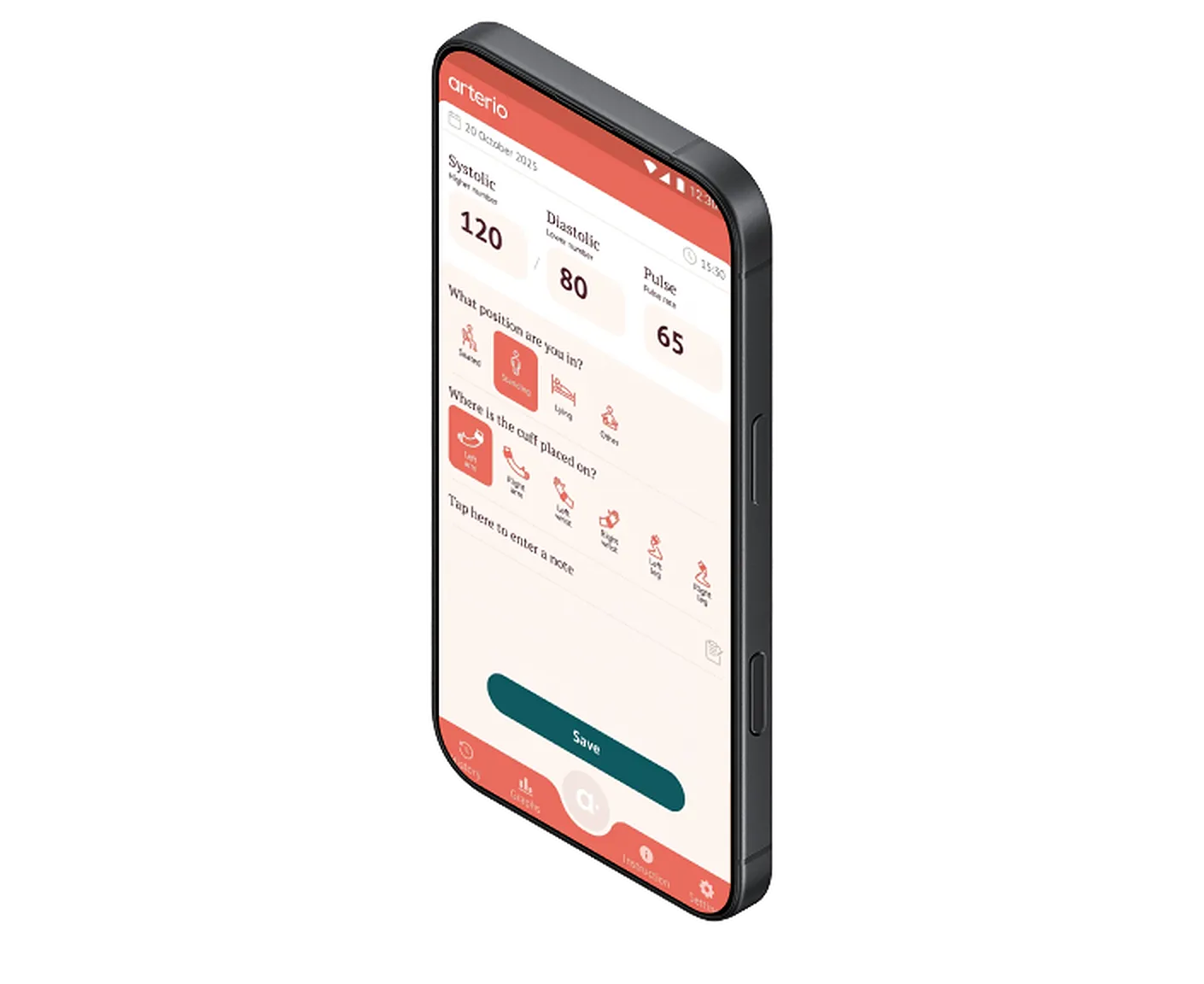
How much discovery a project needs depends on what is still open. On Arterio, a blood pressure app, the open question was what patients and their doctors needed. That was settled first, and design prototypes were approved before development began.
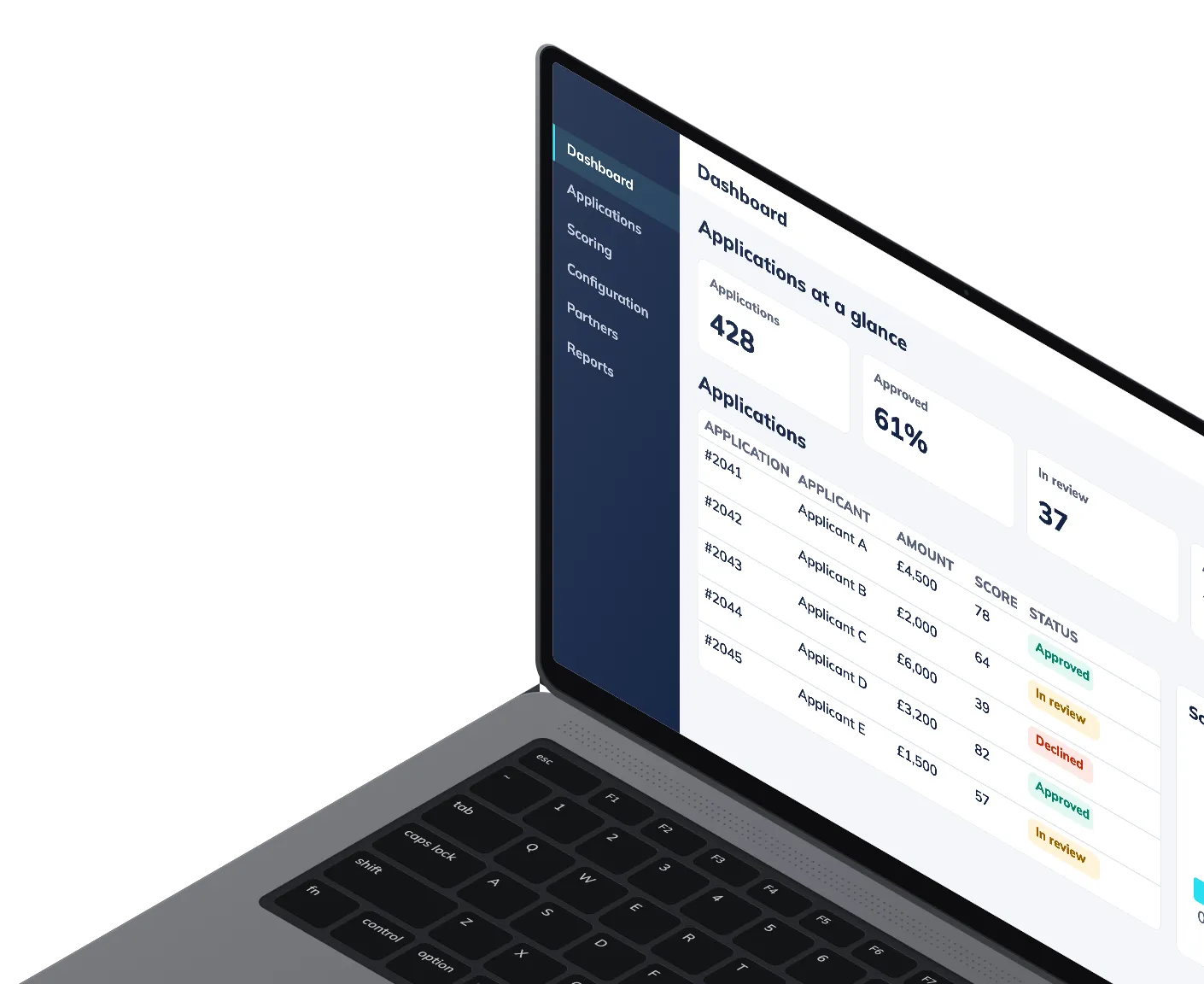
A UK-based fintech startup arrived with its business logic and scoring rules already defined, so discovery on its lending platform with Open Banking scoring was short. Even so, a prototype tested feasibility before the full build.
Send a few lines about the idea, the old system or the open architecture question, and we will suggest where discovery should start.
FAQ
It has a fixed price, agreed with you before the phase starts, and it usually runs 2–4 weeks. The price depends on the size of the product and on what joins the phase: a lead engineer, a UX specialist, a prototype or user research. It holds unless the scope changes, and scope changes go through change requests. We publish no price list. The Engagement models and terms section shows how the build after it is priced.
An estimate made from a call rests on whatever the vendor assumed about your scope. You can't see those assumptions, so you can't check the number. A paid phase writes the requirements and the architecture down first and builds the estimate on them. If the number moves later, you can see which assumption moved it.
Everything the phase produced: the requirements and backlog, the architecture, the estimate and the delivery plan. They stay yours whether or not the build continues with us, and IP passes to you on payment. If they show the build is the wrong bet, you learned it for the price of a phase, with the build budget still unspent.
Yes. Discovery isn't a prerequisite for a proof of concept or a proof of value. The two answer different questions. A proof of concept tests whether an idea works at all, and discovery settles what the full product should be and how to build it. If the idea itself is the doubt, test it first.
We sign an NDA before the phase starts, and where we handle your data, a data processing agreement is part of the engagement. Systems we control are hosted in the EU. Code and data in your own repositories and cloud stay wherever you keep them. If we work inside your systems during discovery, we use named accounts you issue, with only the access each role needs, and that access is removed when the engagement ends.
Access to the people who know the problem, and to any documents or system you already have. The phase moves at the pace of their answers, so name them before it starts.