


Hire Android developers for new Kotlin apps and inherited Java code

Hire Android developers for what your app does on the phone. We present matched candidates within 7 days of your request. You interview them first.

Abstract 3D illustration of a tall white rounded slab beside three shorter slabs of stepped sizes, one in orangeAbstract 3D illustration of a tall white rounded slab beside three shorter slabs of stepped sizes, one in orange

CHOOSING THE ROUTE

Native, cross-platform or Kotlin Multiplatform?

What the app does with the hardware decides most of it.

Native Kotlin, when the app lives close to the hardware

Native earns its cost when the app talks to a Bluetooth device, keeps working in the background or reads sensors. Kotlin calls the platform's APIs directly, with no framework layer in between to wait on when Google changes something. The harder part of Android is the spread of phones, with their different screen sizes, manufacturer skins and Android versions. The minimum Android SDK version you set decides who can install the app, and the test plan has to follow the phones your users actually carry.

Flutter or React Native, when both stores need the same app

If the app must ship on iOS too and most screens look the same on both, one codebase is usually the cheaper route. We staff Flutter engineers for a single Dart codebase that draws its own interface, and React Native engineers when your team already writes React for the web. A device link or long background work often needs some native code, so plan for a little Kotlin either way.

Kotlin Multiplatform, when the rules are shared and the screens aren't

Kotlin Multiplatform shares business logic in Kotlin across Android and iOS and leaves each platform its own native screens. Our Android engineers work with it. It fits a team that wants native interfaces on both phones without writing the same validation rules twice. If you'd rather share the screens too, Compose Multiplatform does that.

Abstract 3D illustration of white blocks splitting into two paths, one path in orange, a native or shared-code choiceAbstract 3D illustration of white blocks splitting into two paths, one path in orange, a native or shared-code choice

ANDROID WORK

Which Android work are you staffing?

Describe the work, and the job title follows. A new app wants Kotlin and Jetpack Compose. An inherited app wants someone who reads Java and migrates it in pieces. A product that pairs with a device wants Bluetooth experience. We staff each of these as Android engineers inside your mobile team.

One engineer suits a team that already has an Android lead and a release routine. If you want us to manage the engineers while you keep the backlog, ask for a dedicated Android team. If the whole app is the job, we can take it on as a mobile app project instead.

New native Android app

Kotlin and Jetpack Compose, with Coroutines and Flow, Hilt and Retrofit. Agree early how state reaches the screens. It is the decision that costs most to reverse once there are forty of them.

They test with JUnit unit tests and UI tests for the Compose screens, run in your CI.

Java code you inherited

We read it before anyone proposes a rewrite. A Java app that works doesn't need one. New features can go in Kotlin, since both languages compile into the same app and call each other.

Screens move from View-based layouts to Jetpack Compose in the order you change them, and the rest can wait.

Device links and local data

Pairing, reconnecting after a dropped link and a manual fallback when the device won't answer, with the runtime permissions recent Android versions ask for.

Room keeps the app's data on the phone, so it still works on a train with no signal, and WorkManager syncs it once the connection is back.

Upkeep of a live app

Raising the target API level each time Google Play's requirement moves, with the permission and background limits each new Android SDK version brings.

Crash fixes too, though the bigger job is often the libraries nobody has upgraded in years.

TECHNOLOGIES

The Android stack our engineers work with

Kotlin

Java

Jetpack Compose

Kotlin Coroutines and Flow

Hilt

Retrofit

Room

MVVM

Material Design

Kotlin Multiplatform

Android SDK

Android Studio

Gradle

CASE STUDIES

Android apps we have shipped

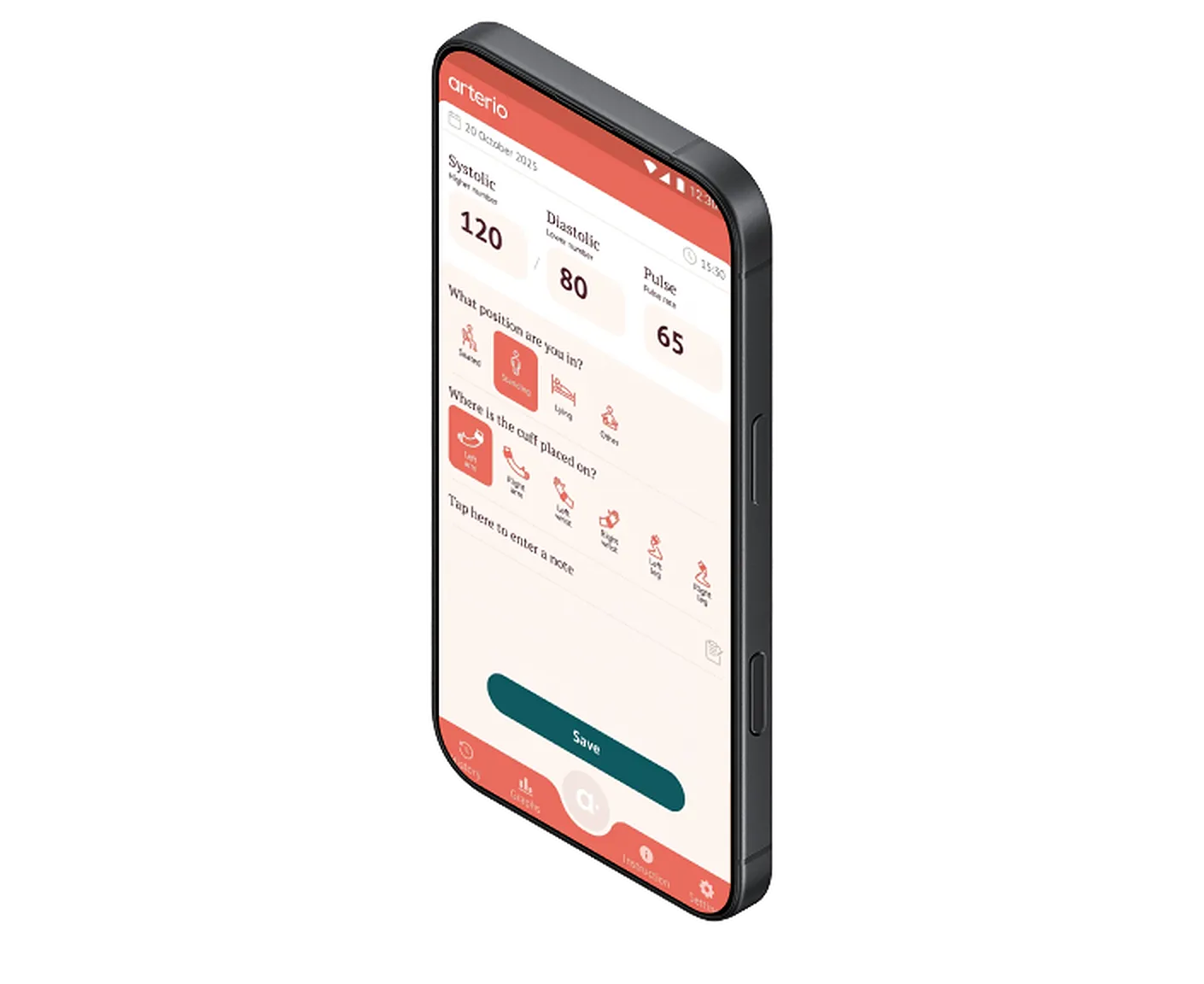
For the Arterio blood pressure app, we interviewed cardiologists and drew up four persona profiles before any code was written. The native Kotlin app takes readings from monitors over Bluetooth, with manual entry as the fallback. Our client's digital logs carry 70% less error than paper ones.

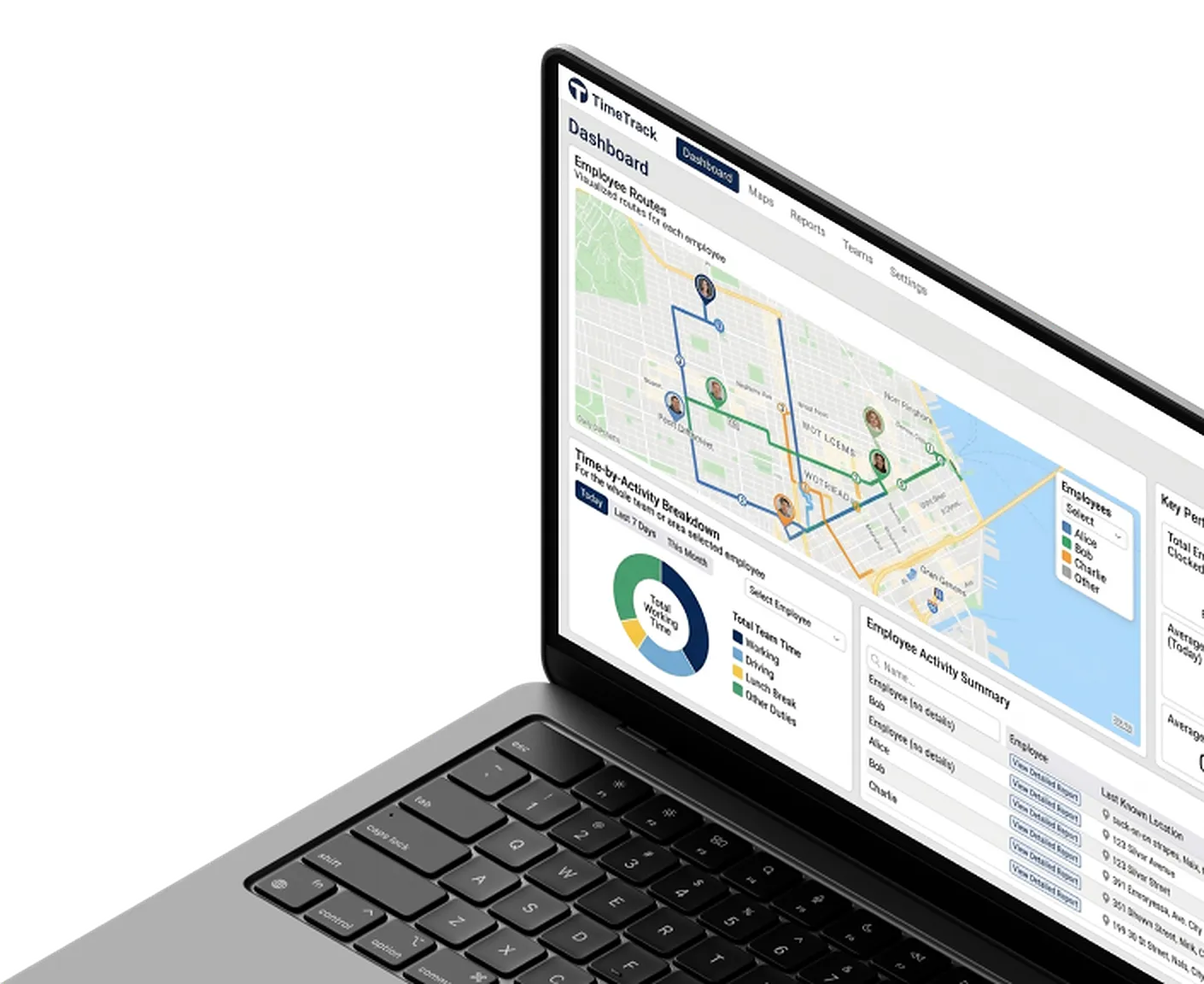
For a global managed staffing company, we built the Android app in Java, alongside an iOS app in Swift, so employees log their hours on the phone. Every entry still lands in PeopleSoft, and recording one in the two apps is 40% faster than in PeopleSoft's own screens.

Start the match from your app

Tell us what the app does, what code already exists and which devices it must talk to, and we match candidates against that.

PROCESS

How we staff an Android role

These are usual times. What we commit to is presenting candidates within 7 days of your request. A brief that says Kotlin or Java, which Android versions and which devices gets a sharper shortlist. For other stacks, see more technologies we hire for.

  1. STEP 1

    Agree the role and the work

    We agree the seniority and the part of the app the engineer picks up first.

    1 day

  2. STEP 2

    Match vetted engineers

    We shortlist engineers who have cleared vetting and whose tested skills fit your codebase.

    1–2 days

  3. STEP 3

    Your interview

    You interview the candidates you pick, and you can decline any of them on the CV or after the call.

    1 day

  4. STEP 4

    Contracts, security and access

    We sign the contracts and set up security and access with your team.

    1–2 days

HOW WE WORK

Engagement models and terms

Staff augmentation

Our engineers join your team and work in your process and tools. You manage them; we source, vet and contract them.

Hourly rate per engineer by role and seniority, invoiced monthly.

  • If an engineer isn't the right fit, we replace them within 14 days at no extra cost.
  • Knowledge transfer to the replacement engineer isn't billed.
  • There is no free trial period.
  • 30 days' notice to take an engineer off or end the engagement, with no minimum term beyond it.
  • Out-of-hours on-call only if agreed with you; we set its hours and billing together.
  • After two years, moving an engineer onto your own staff is something we can discuss.

Managed team

An agreed team capacity that we manage. We coordinate delivery and handle the team's make-up. You set the priorities and own the backlog.

Per-engineer rates, or a fixed monthly fee for the agreed capacity.

  • We handle replacements ourselves, and the team keeps its agreed capacity and pace.
  • Engineers work full-time for your team only.

Whichever model you choose

  • We reply to an inquiry from the contact form within 24 hours.
  • We sign an NDA before work starts, and IP passes to you on payment.

WHY OCTALANCE

Working with our Android engineers

Abstract 3D illustration of white rounded blocks around a row of phone-shaped slabs of different sizes, one slab in orangeAbstract 3D illustration of white rounded blocks around a row of phone-shaped slabs of different sizes, one slab in orange

Assessed at the seniority claimed

Kotlin and Java questions are set by level, so a mid-level engineer and a lead face different ones. Every candidate also passes soft-skills and job-history checks, and a background check if you ask.

A lead when your team is new to Android

If your team writes for the web or iOS and has never shipped an Android app, ask for a lead-level engineer. They make the Android technical calls, and your tech lead still sets the priorities.

Inside your tracker and sprints

They pick up tickets in your tracker and ship through your pull-request reviews at your sprint pace, working remotely. Jira and Slack are their daily tools on our own projects as well.

A tester or designer beside them

Add a manual QA engineer who tests on real devices through BrowserStack, or a UI/UX designer, to the same engagement. Android bugs often show up on one manufacturer's phones only.

ACROSS ALL OUR ENGINEERS

7 years

Average engineering experience

80%+

Senior-level or above

3

Vetting steps for every candidate

Undecided between native and cross-platform?

"Start native if the phone's hardware is the product. Share code later, once you know which parts really are the same."

Dzmitry Kuchynski, Chief Operating Officer, Octalance

FAQ

What buyers ask before hiring Android engineers

How is an Android engineer billed, and what moves the price?

With staff augmentation you pay an hourly rate per engineer, set by role and seniority and invoiced monthly. A managed team is billed per engineer, or as a fixed monthly fee for the agreed capacity. The price follows how many engineers you use. Inherited Java code or a device link doesn't change the rate. The full terms are in the Engagement models and terms section on this page.

Can we interview the engineers before they start?

Yes, and you can see more than our shortlist. For roles where we run live coding, that session and our technical interview can be part of your own selection, with full visibility for you, so you see how the candidate writes code and explains their choices.

Can your Android app developers take over an app another team wrote?

Yes. Our engineers start by reading the code, its dependencies and the build setup, then sort what can move with light changes from the modules that need rework. On an Android app the first checks are whether it builds on a current Android Gradle Plugin and Kotlin version, how far its target API level trails Google Play's requirement, which libraries are deprecated or abandoned, and who holds the signing key and Play App Signing access. Stable parts stay as they are. Ask for the previous team's walkthrough if you can get it: an hour with them saves days of reading.

Will the engineers work in our time zone?

Yes, within limits. CET/CEST business hours are the default, and we shift the schedule to fit you. For a US team we can arrange 4+ hours of daily overlap with the West Coast, and more with the East Coast. We don't run round-the-clock shifts.

Who owns the code, and do we sign an NDA?

You do. IP passes to you on payment, the code usually lives in your repositories, and we sign an NDA before the start. We'd also advise keeping the app signing key and the Google Play Console developer account in your company's name, not an engineer's. If the upload key or the Play Console account leaves with someone, updating the app gets harder.

What if an engineer isn't the right fit?

We find a replacement. Tell us early, because the handover is shorter while the first engineer is still on the project and can walk the new one through the code. In a managed team, replacing an engineer is ours to handle, without a drop in the team's capacity.

Do you handle the Google Play release?

Where release is part of our remit on a project, we prepare the store builds and take the app through Google Play review. Some clients submit the app themselves. With staff augmentation, the release follows your own process and your Play Console.