Fixed price per milestone
Each milestone is priced from what discovery produced. It suits an outcome you can describe well enough to plan in detail.
It asks you to settle the scope up front and keep to it. The price covers what was agreed.


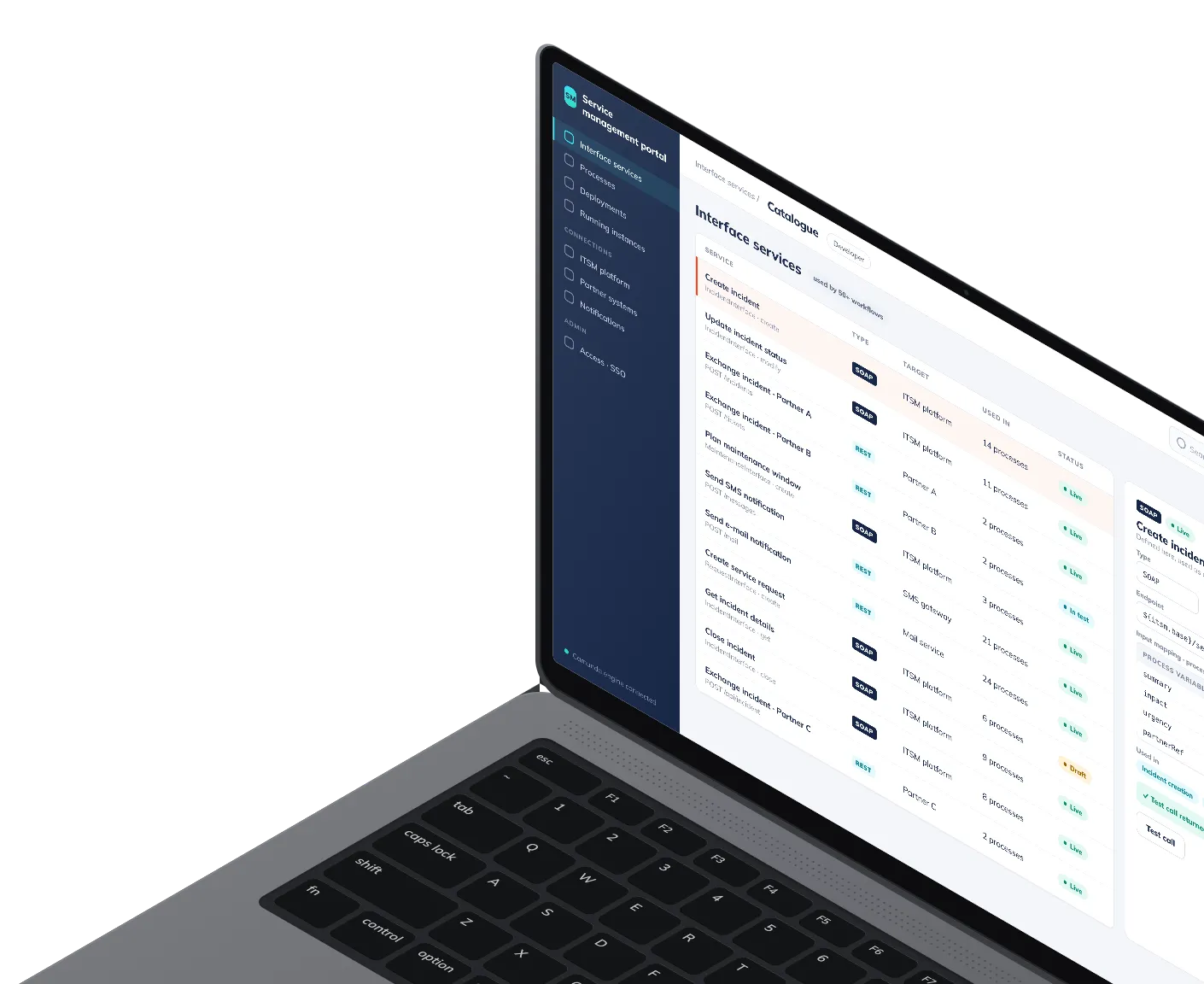
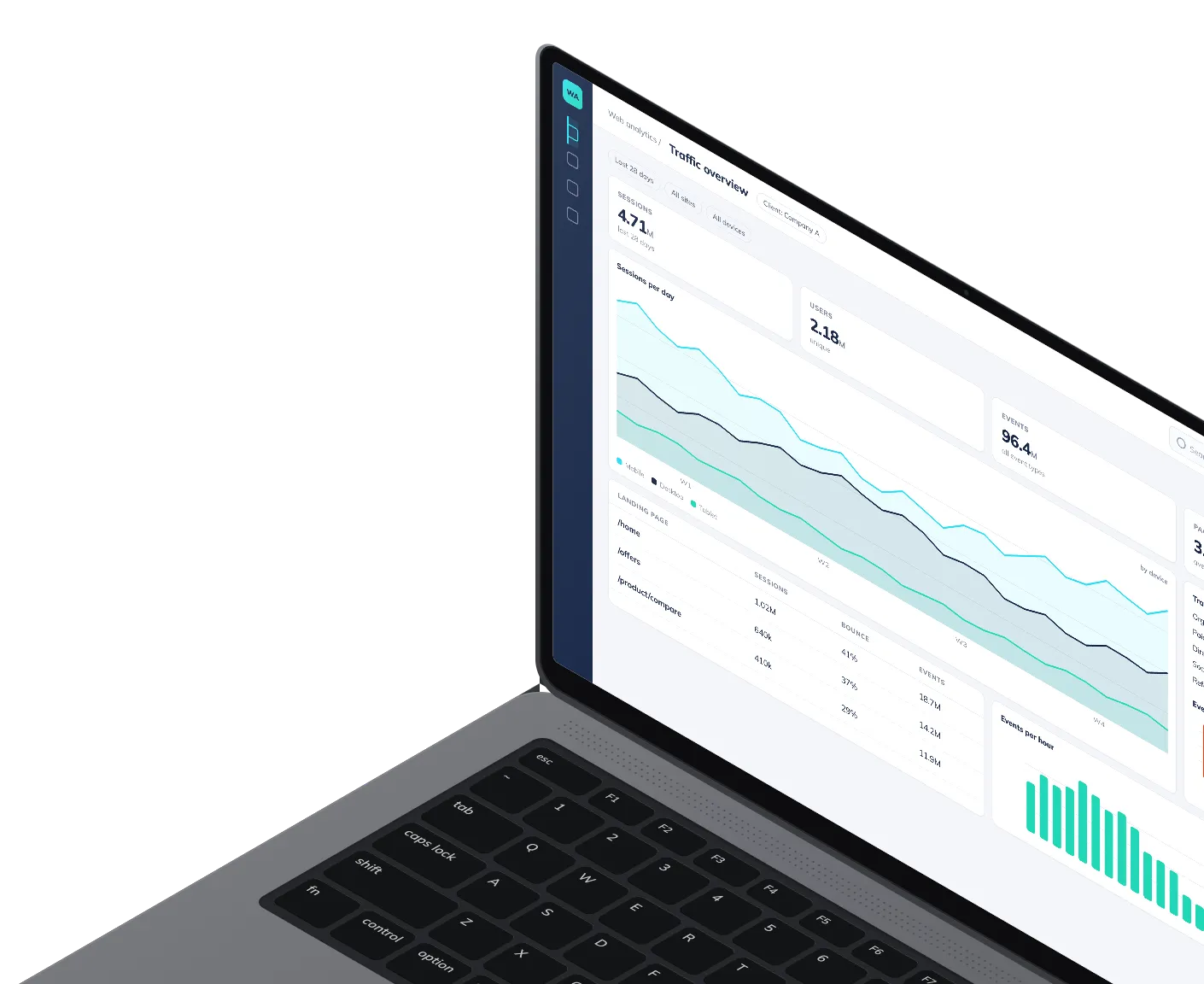
Project outsourcing with us means you hand over the delivery and keep the decisions. Every two weeks, a demo shows you what the team built.
Project delivery
You hand over an agreed scope, and a team delivers it end to end. We plan the work, staff the team, test it and release it. You decide what the product does and sign off each milestone. Nobody on our team reports to you day to day, so there is no project manager or engineer for you to direct.
Project delivery is one of the five ways we work with clients, and they differ in who runs the day-to-day work. With a tech lead and a working process of your own, you would be better off adding engineers to your own team instead. If you own the backlog and want to reorder it as you learn, a dedicated team we manage fits better.
Fit check
You can say what the product does, who it is for and what has to work on day one, well enough to plan it. If that is still fuzzy, run discovery first.
That's fine. We direct the engineers and run the delivery, so that job never lands on your desk.
We are responsible for the delivery, and we commit as a company to the scope and the timeline.
On an agreed scope, each shift in priorities becomes a change request, and when the order of work changes every sprint, those pile up. A team that works to your current order suits that better.
If your team runs well and lacks one skill, say a mobile engineer, buying a whole delivery is more than the problem needs.


Price types
Neither price type is the safe one. What decides it is how well you can describe the outcome today, before a line of code. The price itself follows the size of the project, since a bigger project takes more time, and we quote it once discovery has produced the scope and the estimate.
Each milestone is priced from what discovery produced. It suits an outcome you can describe well enough to plan in detail.
It asks you to settle the scope up front and keep to it. The price covers what was agreed.
Best for a scope you expect to learn about as you build, when your first users will show you what matters next.
You pay for the time the work takes and see it at each bi-weekly demo. If it will pass the discovery estimate, we say so there, and you approve a revised estimate before we go on.


Write a few lines about the product and who it is for, and we will tell you whether discovery should come first.

Delivery process
The build starts from discovery that sets the scope and estimate, then runs milestone by milestone with bi-weekly demos. Discovery is where the risky parts get found, so it normally comes before the build is priced.

STEP 1
An architect, a business analyst and a delivery manager write the backlog, architecture, estimate, plan and risks, and a designer adds a prototype when a flow needs one.
Usually 2–4 weeks

STEP 2
The milestones come from the backlog discovery produced, and we agree the price type with you.

STEP 3
The team works in Agile sprints and shows the work at bi-weekly demos. Tasks and progress live in Jira, daily questions in Slack.

STEP 4
Testing is part of the delivery, with QA built into each milestone, and we take the product through release.

STEP 5
The product moves to your own team, or into support after the release with us, as you prefer.
How we work
We deliver an agreed scope end to end: plan, team, milestones, QA and release. You make the product decisions and accept each milestone.
Fixed price per milestone after discovery, or time and materials against an estimate.
An agreed team capacity that we manage. We coordinate delivery and handle the team's make-up. You set the priorities and own the backlog.
Per-engineer rates, or a fixed monthly fee for the agreed capacity.
Our engineers join your team and work in your process and tools. You manage them; we source, vet and contract them.
Hourly rate per engineer by role and seniority, invoiced monthly.
Case studies
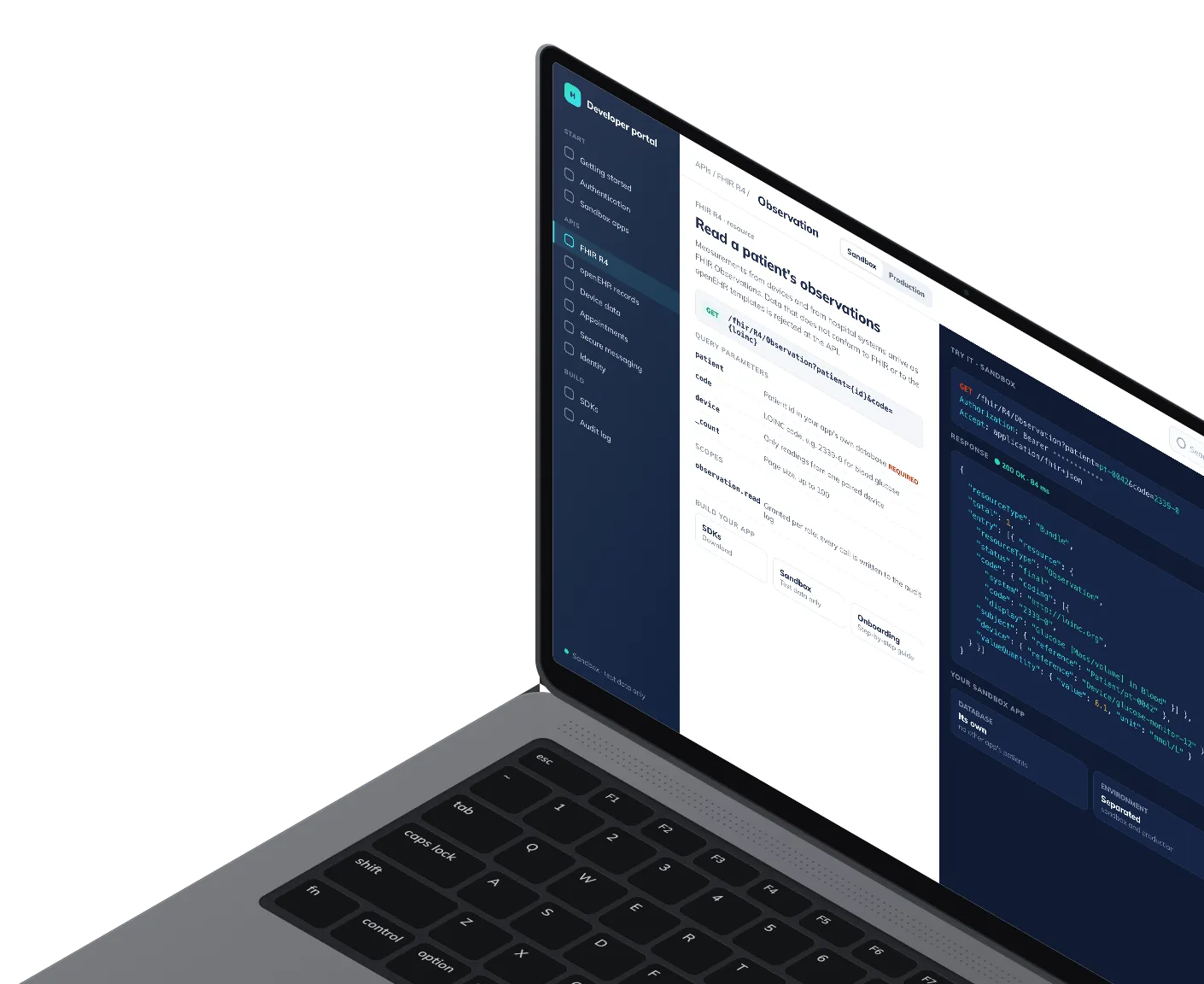
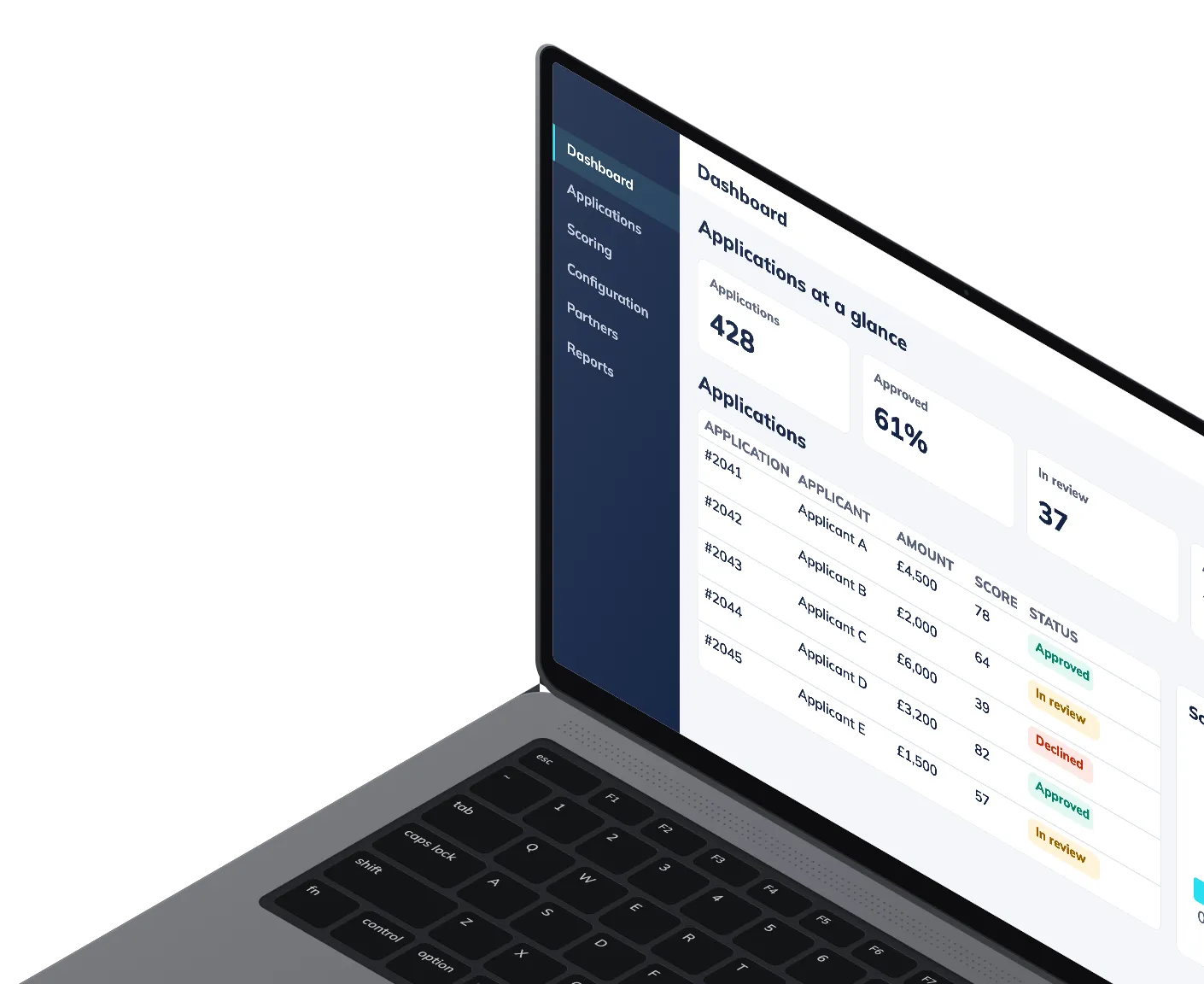
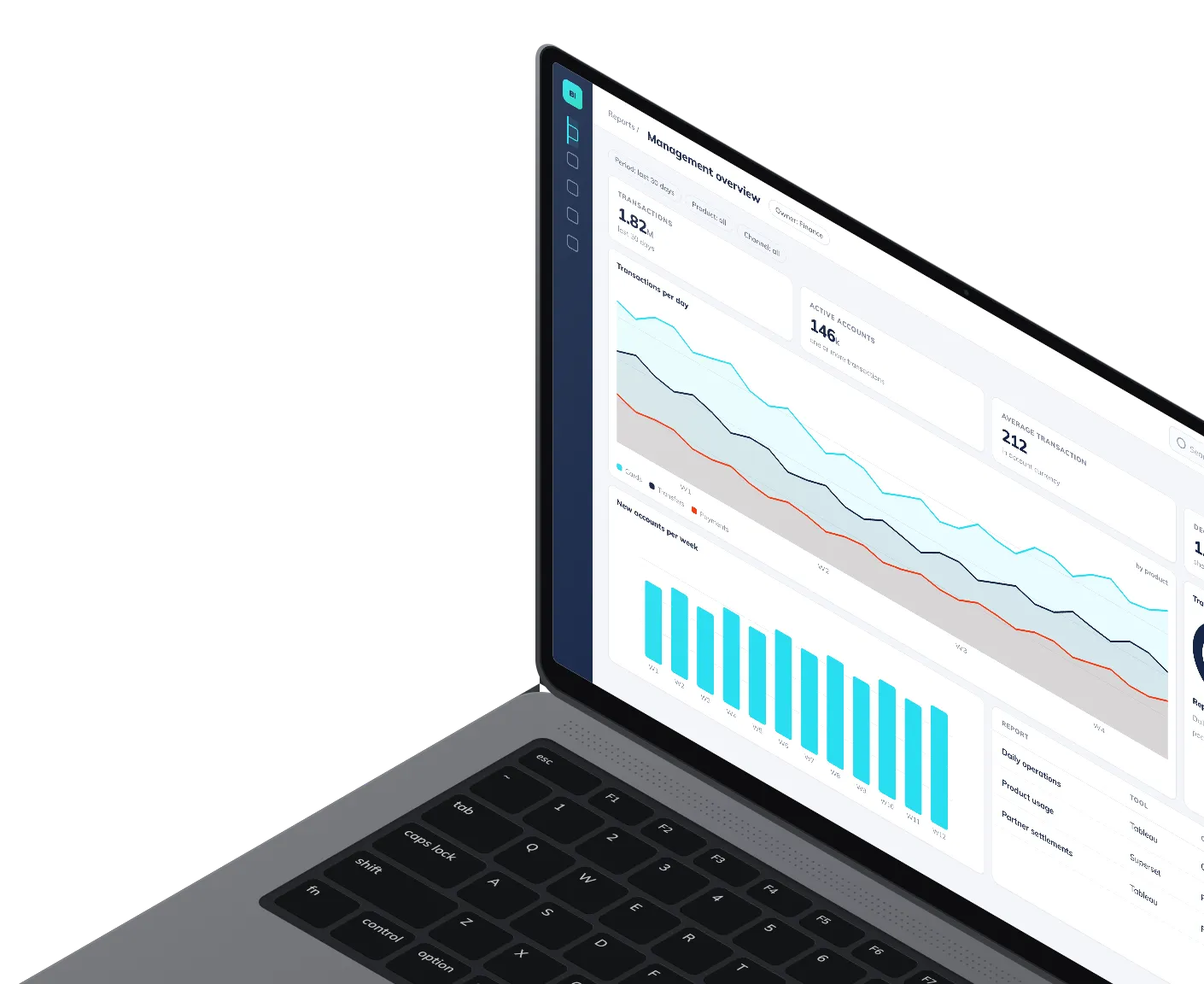
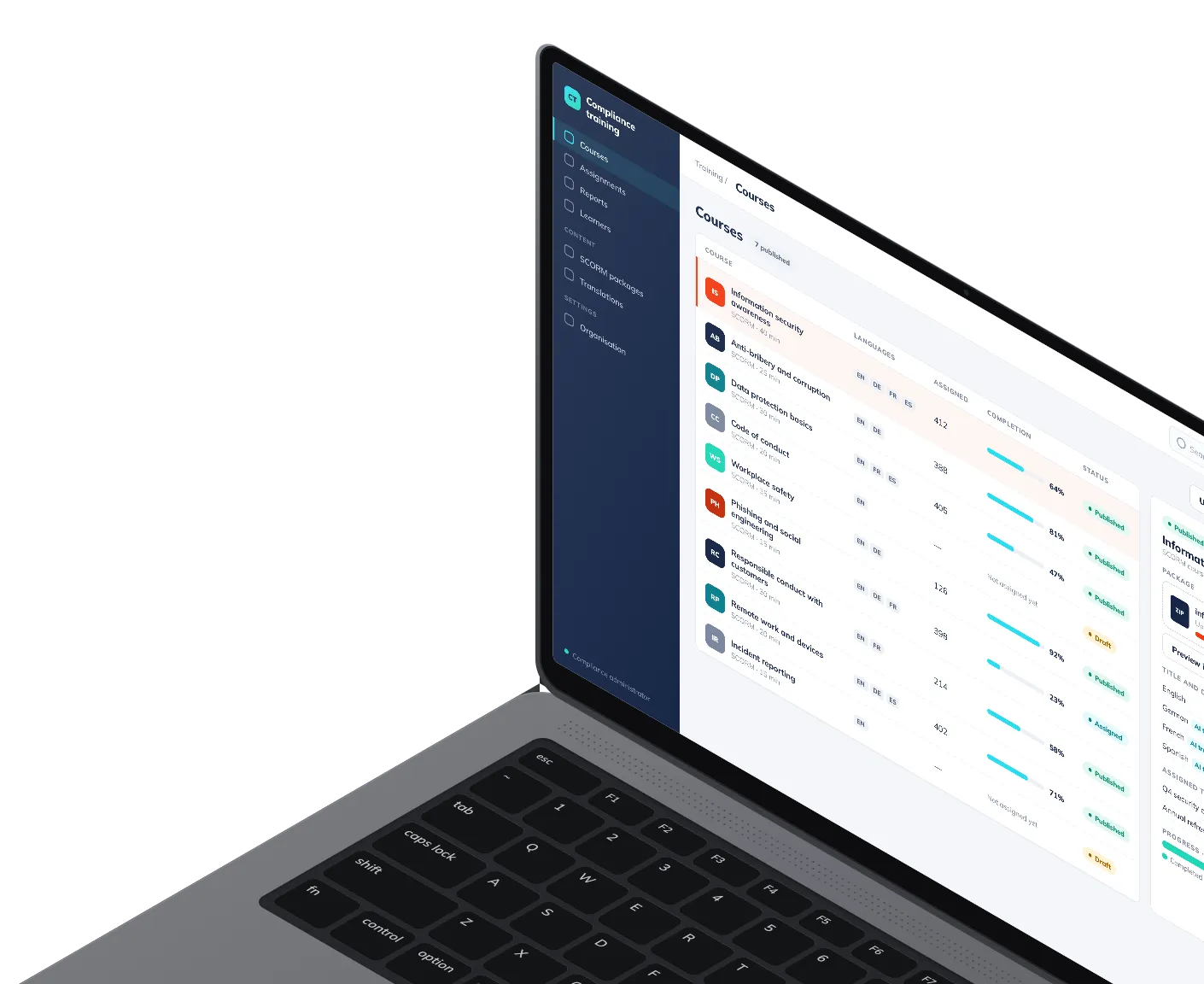
The briefs had little in common: a fintech startup with its scoring rules already written, a retirement date a missing feature had to beat, a service management platform customized until every upgrade was a risk. Each time the client set the result and we answered for reaching it.
Behind each project sits a design call of ours. On the training module we used a proven engine to play SCORM courses rather than write our own. On the warehouse, the transformation logic lives in Python and Airflow, outside Vertica, so a later move means repointing pipelines.

"A fixed price is only as good as the description it prices, so we write that description with you before anyone quotes the build."

Dzmitry Kuchynski, Chief Operating Officer, Octalance
FAQ
Only discovery. It is a fixed-price phase of its own, usually 2–4 weeks, and the build is priced from the estimate it produces. Its outputs stay with you whether or not the build continues with us, so the requirements, architecture and plan are yours to take to any team.
On time and materials, every bi-weekly demo shows where the work stands against the discovery estimate. If it looks like passing that estimate, we tell you at the demo, with the reason and a revised estimate, and you decide whether to continue, cut scope or stop. We don't carry on past the estimate without your approval. On a fixed price, the agreed price covers the agreed scope, and anything you add or change becomes a change request.
Yes. You can stop a fixed-price project at the end of any milestone, and a time-and-materials one at the end of any bi-weekly demo. You pay for the work done up to that point, and with that payment we hand over the code, the documentation and the discovery outputs.
We select and vet the team ourselves, because we answer for the delivery, and you can interview the people in the key roles. Each candidate goes through a technical skills assessment, a soft-skills evaluation and a review of their job history. Some roles add a live coding interview. Across the company, 80%+ of our engineers are senior-level or above, with 7 years' average experience.
You make the product decisions. Our product manager co-owns the roadmap and backlog with you and turns your priorities into work for the engineers. Keep the demos in your calendar: that is where you see progress and raise questions while they are still cheap to answer. The fair lending platform in our case studies shows this product-management work.
You do. IP passes to you on payment, and the code usually lives in your repositories, sometimes in ours. Systems we control are hosted in the EU, and we sign a data processing agreement where we handle your data. When the project ends, transition-out is routine, whether the product moves to your team or stays with us for support.
We match your hours by choosing where the team sits and shifting its schedule. For a US client we can arrange 4+ hours of daily overlap with the West Coast, and more with the East Coast. CET/CEST business hours are the default, and we don't run round-the-clock shifts.