







Nearshore software development in Eastern Europe with engineers who share your day

Nearshore software development with engineers on your full UK or EU working day. For US teams we can arrange 4+ hours of overlap with the West Coast.

Illustration of a map of Europe with a client office and an engineering team sharing one working dayIllustration of a map of Europe with a client office and an engineering team sharing one working day

Definition

What is nearshore software development?

Nearshore means building software with a team in a nearby country, on a clock close to yours. Nearby depends on where you sit. For a US company it usually means Latin America. For a company in the UK or the DACH region it means Eastern Europe, close enough that the team works your whole day.

Nearshore says where the team sits and nothing about how the work runs, so every engagement model we offer can run from there: engineers joining your team under your tech lead, a managed team that we run, or a project we deliver to an agreed scope. A discovery phase before the build and support after launch run from the same place.

Our engineers work across Eastern Europe, and so do the UI/UX designers and data analysts we staff. The locations and the hours each one keeps are listed on our about page.

Illustration of a client team and an engineering team on one European working-day timelineIllustration of a client team and an engineering team on one European working-day timeline

Location models

Offshore vs nearshore: what changes day to day?

Where each team sits

Onshore is a team in your own country. Offshore is a team in a distant country, usually several time zones away. Nearshore sits between the two, close enough to share most or all of your working day. The map matters less than the clock.

How the working day runs

A question raised at your morning stand-up gets an answer the same day, from the engineer who wrote the code. With a team several hours away, work tends to hand over overnight. That suits a well-specified task. It hurts one whose requirements change every week.

Meetings in shared hours

When the days overlap, the people who write the code join your planning and reviews live. Offshore, more of that moves into written handovers, and each misunderstanding costs a day's round trip.

Where code and data sit

Code and data in your own repositories and cloud stay wherever you keep them. Moving the team nearshore or offshore doesn't move them.

Illustration of three team locations at growing distances from a client office: onshore, nearshore and offshoreIllustration of three team locations at growing distances from a client office: onshore, nearshore and offshore

Working hours

How many hours will we share?

UK and Europe: the full working day

CET/CEST business hours are our default. For a team in the UK or elsewhere in Europe, the time-zone overlap is the whole working day, so stand-ups, code reviews and an urgent call at 4 p.m. all happen in your hours.

US: 4+ hours with the West Coast

For a US company we can arrange 4+ hours of daily overlap with the West Coast, and more with the East Coast, by choosing the location and moving the team's working day. That covers a shared stand-up and a review slot every day.

Where the hours run out

We run no shifts and offer no round-the-clock cover. If your product needs someone awake at 3 a.m. your time, a nearshore team is the wrong choice, and it is better to know that before the contract.

Illustration of two clocks with the shared working hours of a client team and an engineering team markedIllustration of two clocks with the shared working hours of a client team and an engineering team marked

Why Eastern Europe

Why choose Eastern Europe, and why us?

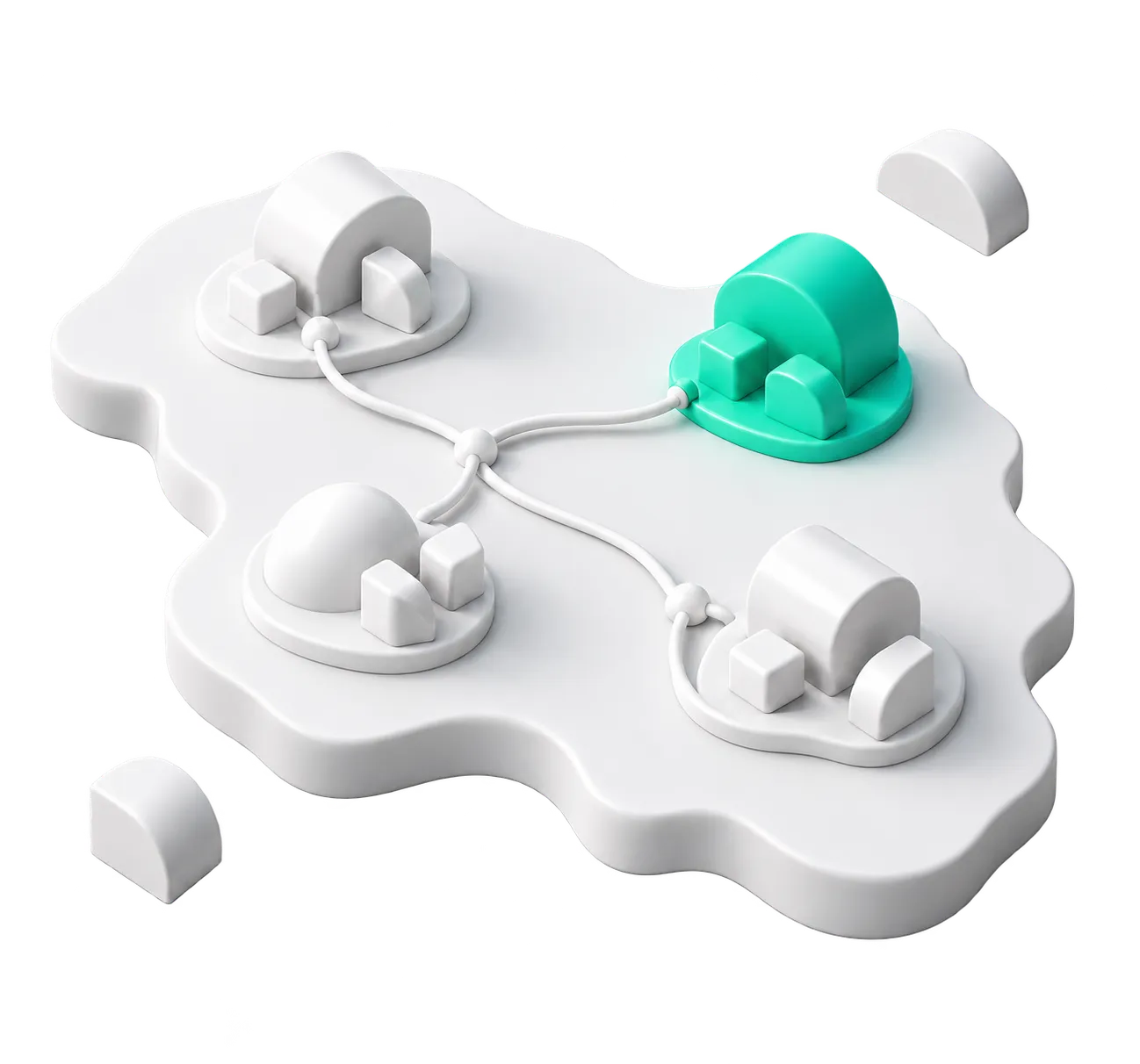
Abstract illustration of a map of Central and Eastern Europe with linked engineering workstationsAbstract illustration of a map of Central and Eastern Europe with linked engineering workstations

English is the working language

Our Eastern European engineers run projects in English: specs, stand-ups, tickets and code review. Communication in English is part of the soft-skills evaluation every candidate goes through.

A visit when you need one

Some things go better in one room. When you ask, our engineers and delivery managers travel to your site for a kick-off or a workshop, and the work then carries on remotely.

Contracts with an EU company

You contract with an EU-registered company. For a legal or procurement team in the UK or Europe, that means a counterparty they already know how to review.

Mostly senior engineers

80%+ of our engineers are senior-level or above, and they average 7 years of experience. Both figures are company-wide and count everyone we staff, testers included.

Partner checklist

How do you choose a nearshore partner?

Ask how engineers are vetted

Ask for the steps and what each one tests. Ours are three, done before anyone reaches your shortlist. A technical skills assessment checks the languages and frameworks a candidate claims, at the seniority they claim. Then come a soft-skills evaluation and an analysis of their job history. Some roles add a live coding interview, and a background check runs when a client asks for one.

Ask how soon you see candidates

Ask every vendor how many days pass between your request and a shortlist of matched candidates, and hold them to the answer. Ours is within 7 days.

Ask who is actually on the team

Find out whose people they are. Ours are employed by Octalance, some under a B2B contract. When our own bench can't fill a request fast enough, we bring in engineers from a vetted partner, and they go through the same vetting.

Ask how access is removed at exit

Whatever the role, our engineers on your team reach your systems through named accounts you issue in your own IAM or SSO, with only the access the role needs. All of an engineer's access is removed when they leave, as part of transition-out.

Ask whether the stack matches

A nearby team that doesn't know your stack saves you nothing. Ask for the technologies a vendor staffs, by name. Ours include Java, .NET, Node.js and Python on the backend, React, Angular and Vue.js on the frontend, and Flutter and React Native for mobile, plus data and cloud platforms. If you'd rather start from the roles, our hire pages list them by technology.

Ask for the overlap as a number

Ask how many of your working hours the team will be online, for your own office, as a figure. A list of the countries a vendor works from tells you less than that one number.

Illustration of a checklist beside a shortlist of engineer profiles under reviewIllustration of a checklist beside a shortlist of engineer profiles under review

Terms by model

Engagement models and terms

Staff augmentation

Our engineers join your team and work in your process and tools. You manage them; we source, vet and contract them.

Hourly rate per engineer by role and seniority, invoiced monthly.

  • If an engineer isn't the right fit, we replace them within 14 days at no extra cost.
  • Knowledge transfer to the replacement engineer isn't billed.
  • There is no free trial period.
  • 30 days' notice to take an engineer off or end the engagement, with no minimum term beyond it.
  • Out-of-hours on-call only if agreed with you; we set its hours and billing together.
  • After two years, moving an engineer onto your own staff is something we can discuss.

Managed team

An agreed team capacity that we manage. We coordinate delivery and handle the team's make-up. You set the priorities and own the backlog.

Per-engineer rates, or a fixed monthly fee for the agreed capacity.

  • We handle replacements ourselves, and the team keeps its agreed capacity and pace.
  • Engineers work full-time for your team only.

Project delivery

We deliver an agreed scope end to end: plan, team, milestones, QA and release. You make the product decisions and accept each milestone.

Fixed price per milestone after discovery, or time and materials against an estimate.

  • Scope changes go through change requests.
  • On fixed-price projects, a warranty period agreed in the contract, usually 30–60 days.

Whichever model you choose

  • We reply to an inquiry from the contact form within 24 hours.
  • We sign an NDA before work starts, and IP passes to you on payment.

Start with the hours you need

Send us the roles, the stack and the hours you need covered, and we will come back with a model and the overlap it gives you.

Case studies

Software we built for European clients

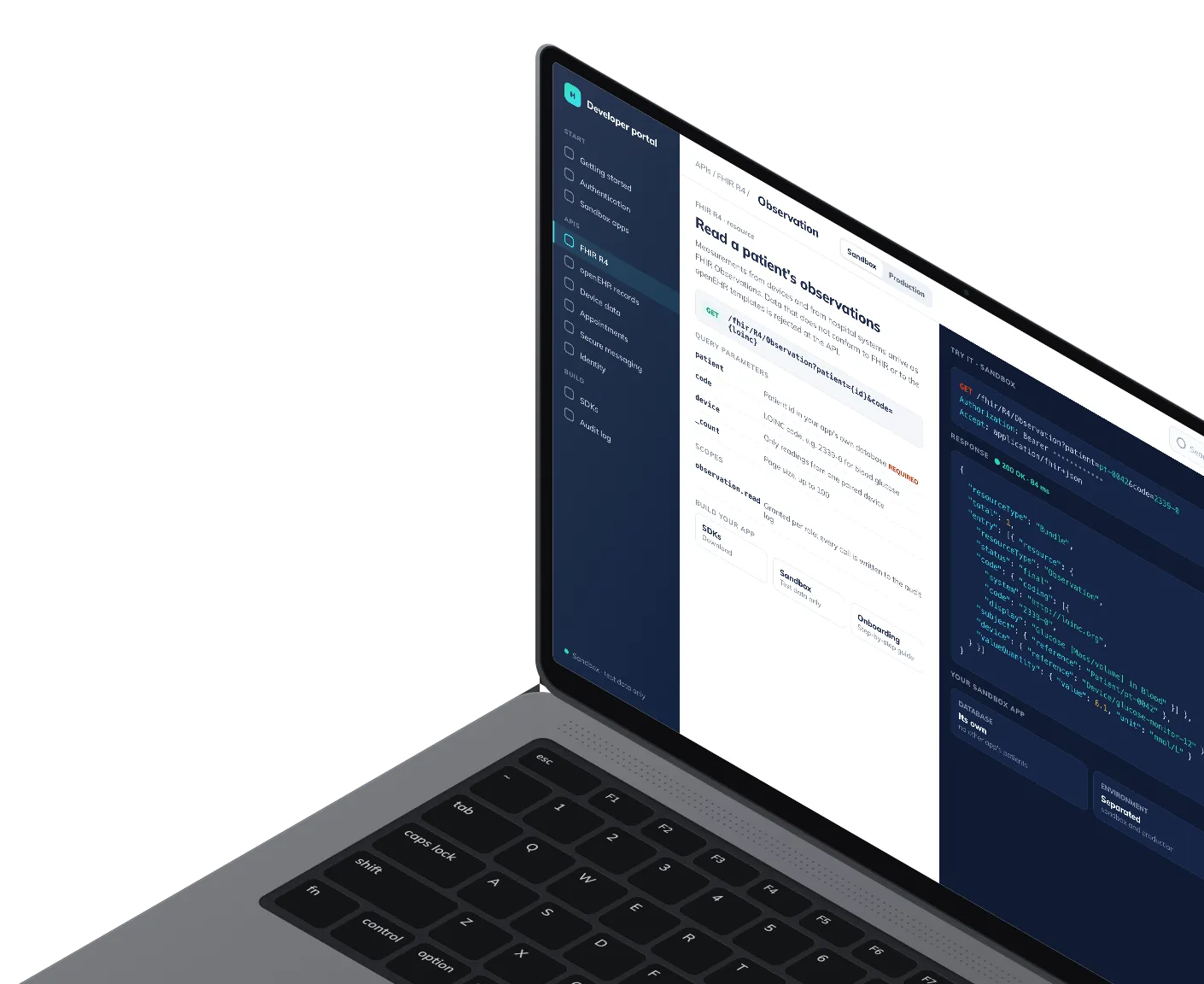
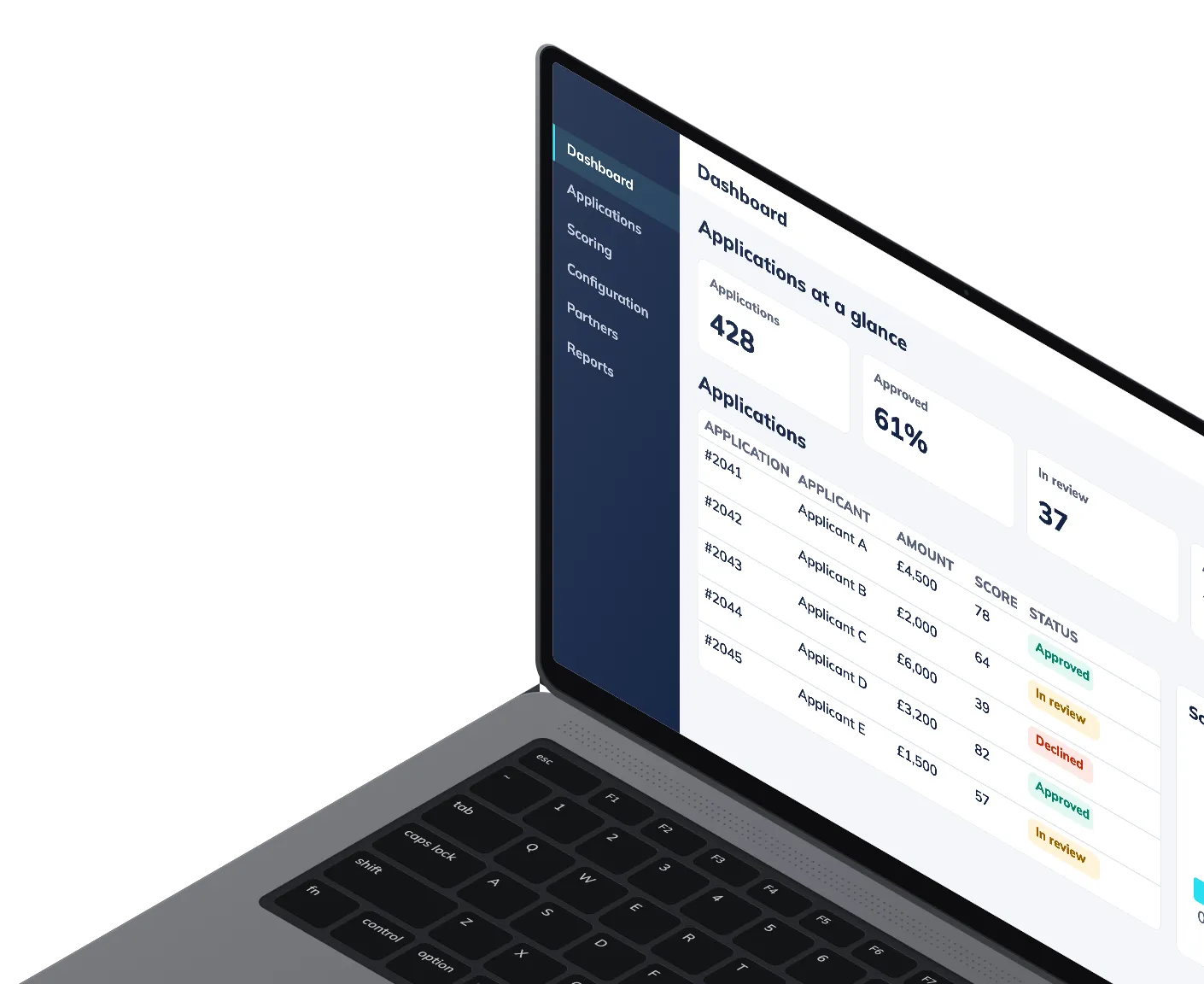
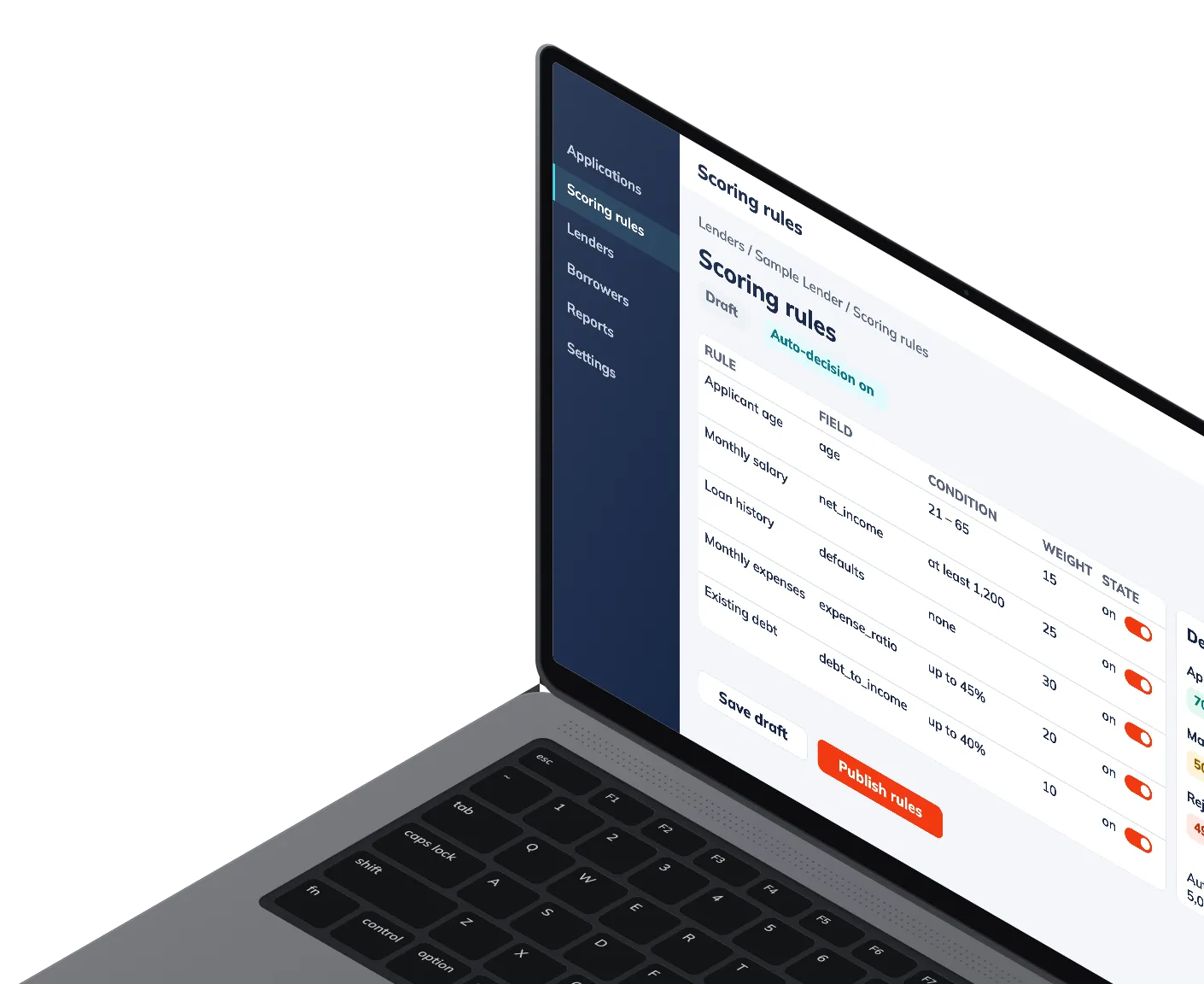
A Dutch eHealth software services provider had us build a white-label backend platform as a project. The engagement ran about four years, with a team of ten. The client then came back for the patient portal. A UK-based fintech startup had its fair lending platform delivered as a project too.

An Estonian loan management software provider and a German company building digital solutions for operations and data-based decisions each had a managed team we set up and ran. The result on each card belongs to that client's project.

Bring us what you are building

Tell us what you are building and what already exists, and we will suggest where a nearshore team fits in and how to start.

FAQ

Questions buyers ask before they sign

Where are our code and data kept, and how does GDPR apply?

Systems we control are hosted in the EU, and we work under GDPR as an EU company, with no GDPR certificate behind it. What sits in your own repositories and cloud stays there. Where we handle your data, a data processing agreement is part of the engagement, and an NDA is signed before work starts. Tell us where the engineers who touch your data may sit, and we staff to that.

Can the team work hours other than the CET day?

Yes. We pick a location that suits and move the team's working hours to match your day, as we already do on support and managed services for US clients. Tell us which hours you need covered, and we plan the team around them.

Is nearshore cheaper than hiring in our own country?

We don't publish a saving, because we haven't measured one, and rates are agreed per client. The price type follows the model, from an hourly rate per engineer under staff augmentation to a fixed price per milestone on a project. What moves the total is how many engineers you use, or the size of the project, since a bigger one takes more time. When you compare vendors, weigh the hours you share and who runs the work alongside the rate.

Which model should we start with?

Staff augmentation fits if you have a tech lead and a process and need a skill or more capacity fast. A managed team fits when priorities keep moving, you can define the roles up front and you want a predictable monthly cost. It can begin with a few developers, and a full team starts within a month, depending on its size. Project delivery fits when you can describe the outcome well enough to plan it, or when nobody on your side can direct engineers.

Can we switch models later?

Yes, and clients do. Engineers added under staff augmentation can grow into a managed team, and a discovery phase can lead into a project and then into support.

Can we interview the engineers before they start?

Under staff augmentation, yes. You interview before anyone starts and can turn a candidate down on the CV or the interview, and our own technical interview, with live coding where the role has it, can be part of your selection, with full visibility. In a managed team or on a project, we set up the team and answer for it, so you interview the key roles.

Does Octalance hold ISO 27001 or SOC 2?

No, Octalance holds no certification of its own. The eHealth platform we engineered for a Dutch client passed ISO 27001:2017, NEN 7510-1:2017 and MedMij, and those certifications belong to the client's platform. Our part in those audits was preparing the audit evidence.