Hire UI/UX designers whose portfolio you can see before interviewing

Hire UI/UX designers who work inside your product team, in Figma. We review each portfolio and set a design task before you meet anyone.

Abstract 3D illustration of nested white rounded frames stacked at offsets, the smallest frame in orangeAbstract 3D illustration of nested white rounded frames stacked at offsets, the smallest frame in orange

THE ROLES

Which designer do you need?

Tell us which designer you need (UX, UI or product), how senior, and whether the product is web, mobile or both. We shortlist people whose portfolio we have reviewed and whose design task we have judged. Then you interview the ones you like and choose.

A designer you hire works to your priorities, in your tools, as part of your team. If you would rather hand over the whole job, we also deliver UI/UX design as a project, with an agreed scope and milestones you accept.

UX designer for user research

User research with the people who will use the product, then personas, journey maps, wireframes and clickable prototypes tested with them.

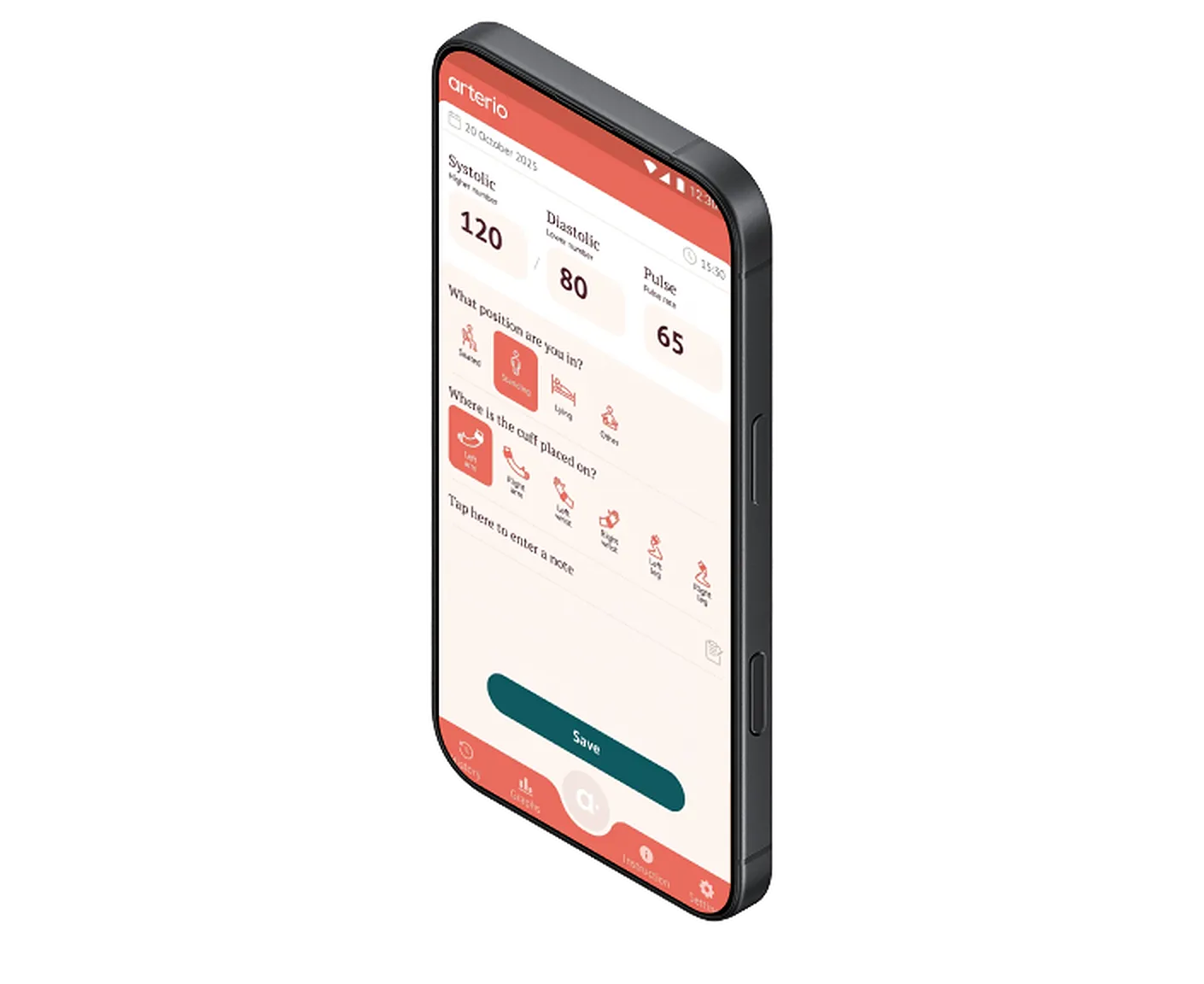
In our own discovery work, interviews with cardiologists fed the personas and empathy maps for a patient app.

UI designer for visual design

Visual screens for web and mobile, built from a component library that grows into a design system as the product does.

The handoff is Figma files and specs your developers can build from, with accessibility considered in the design itself.

Product designer, end to end

One person who covers the whole range on an early product, from the first user interview to the finished screens.

Once research and screens each need a full week, one person starts trading one for the other. That is when to split the role into a UX and a UI designer.

Brief us on the design role

A few lines on your product and the designer you have in mind are enough for us to start the search.

HOW WE VET

What do we check before you meet a designer?

We judge the thinking behind the screens, then show you the work

Three steps before your shortlist

Every designer we present has passed three steps. A portfolio review and a practical design task replace the technical skills assessment our developers take. A soft-skills evaluation covers English, taking feedback and working in a team. Then we analyze their job history, which is our check of the CV.

For some roles we add a live design walkthrough, in which the candidate talks us through the decisions behind their work. A background check runs only when a client asks for one.

A short take-home in Figma

From a written brief, the candidate redesigns one user flow of a sample product in Figma and sends the screens back with a short written rationale, in two to three days. We judge how they frame the problem, how clear and usable the flow is, whether the accessibility basics are there and how they explain the trade-offs. The trade-offs are the part worth reading closely. A designer who can say why an option lost will hold their ground in a review with your engineers.

What you see before you interview

Under staff augmentation, the choice of designers who join your product team is yours. You see each candidate's portfolio, and their design task output if you ask for it, before the interview. When you open a portfolio, look for one project told from the problem to the shipped screens, with the dead ends left in.

Abstract 3D illustration of white portfolio cards fanned out beside a blank screen layout, one card in orangeAbstract 3D illustration of white portfolio cards fanned out beside a blank screen layout, one card in orange

BY THE NUMBERS

7 years

Average experience, designers included

80%+

Engineers and designers, senior or above

50+

Projects delivered by our team

DESIGN AND BUILD

Design that made it into the product

Payments prepared and submitted in about 15% less time

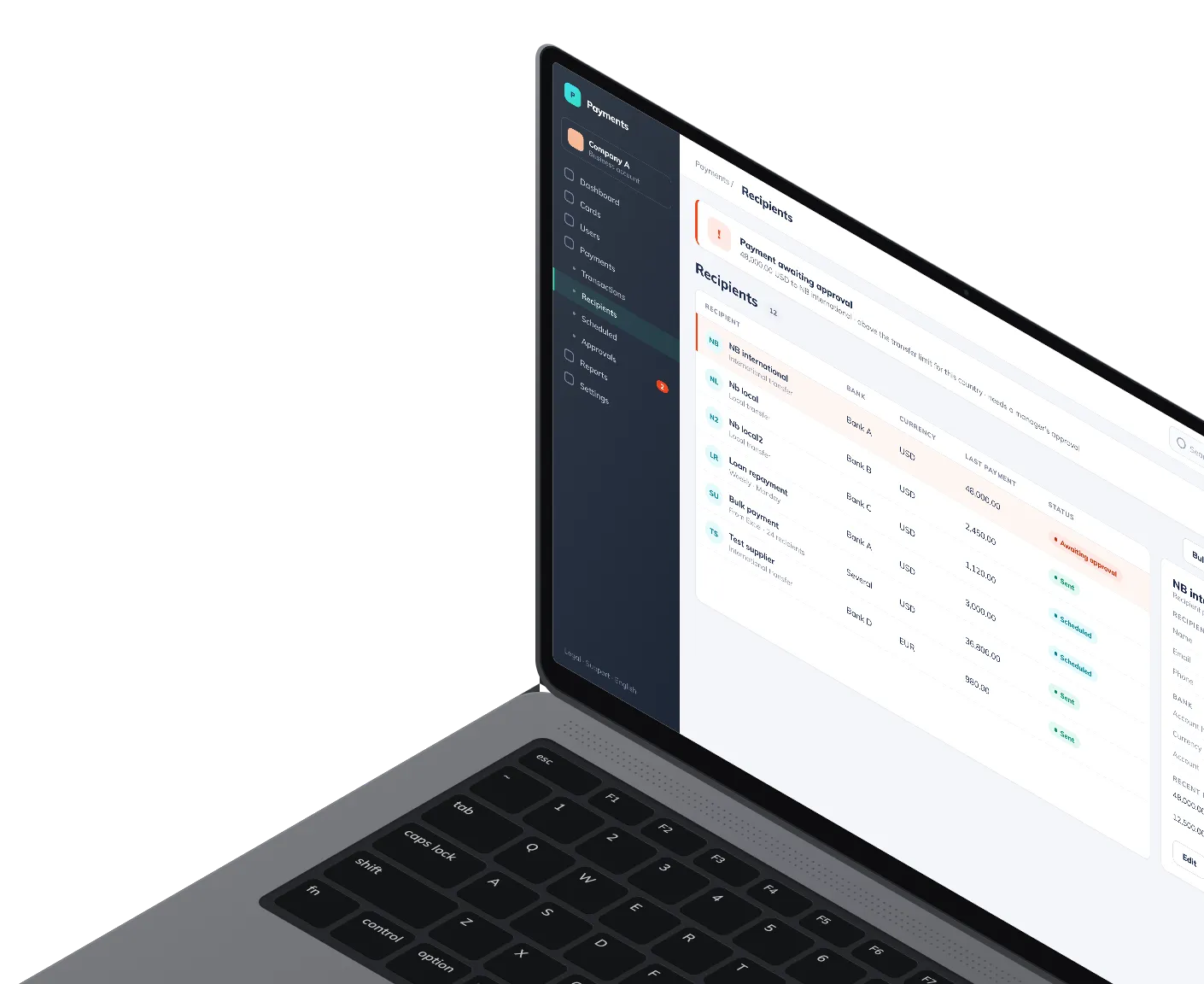
On a corporate payments platform for a fintech company, our lead designer built a design system so the screens look and behave alike across the platform. Its users take about 15% less time to prepare and submit a payment, and that came mainly from the UI/UX work: clearer flows, more intuitive payment screens, a dedicated page for each recipient and the design system. Our team built the frontend too, in React and TypeScript.

Load creation cut from 3 minutes to 30 seconds

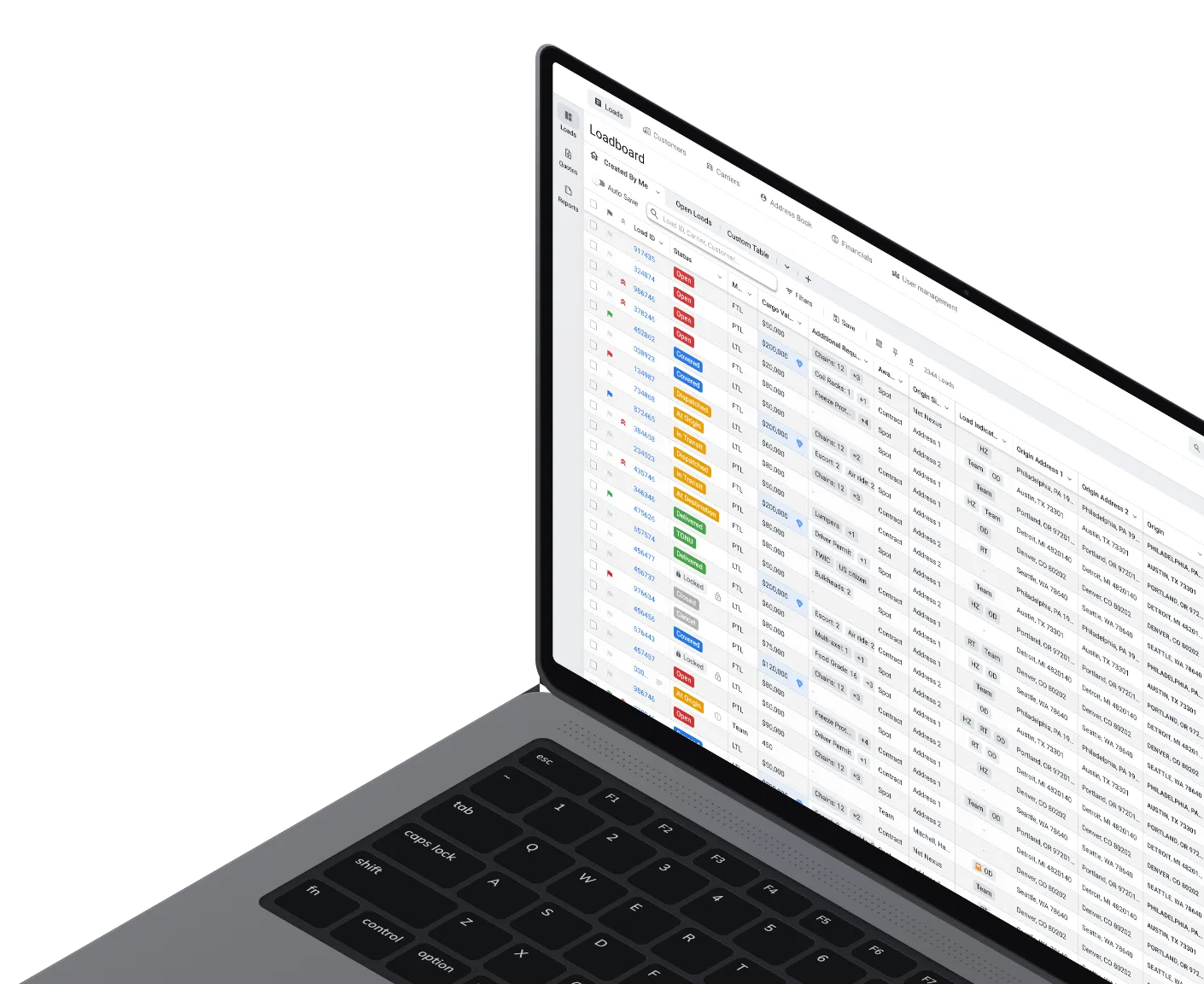
For a logistics company's transportation management system, our designers worked inside the client's team. We had a load board concept approved in 2 weeks and a design system on Google Material in 3, so the other modules had shared patterns to start from. Each feature then went through clickable Figma prototypes, tested with users and corrected, before the approved design went to Storybook. Creating one load took 3 minutes in the old system and takes 30 seconds in the built one.

Designers who stay until the screens are built

Our designers stay on the team through development and answer the engineers' questions on their screens. Design and build can run as one Octalance team, or you buy the design on its own and your engineers build from the handoff. A screen nobody can ask about gets built from a guess.

When testing flags a confusing flow

While the build is still going, our manual testers can check the screens across browsers and devices and flag any flow that would confuse a user. Send those reports to the designer as well as the engineers, since the fix for a confusing flow usually lies in the design.

Abstract 3D illustration of three white block stacks in a row, one topped with an orange screen frame, joined by a pathAbstract 3D illustration of three white block stacks in a row, one topped with an orange screen frame, joined by a path

CASE STUDIES

Products our designers worked on

Read these three the way you would read a designer's portfolio: what was wrong before, what the team decided and what users do differently now. The payments and freight cases show design that went into a built product. The patient app shows the research that came before its first prototype.

PROCESS

What happens after you send the brief

These are usual times. What we commit to is presenting candidates within 7 days of your request. No one joins until you have interviewed them. Hiring beyond design? We staff roles from developers to designers.

  1. STEP 1

    Define the design role

    We agree the role and its seniority, and ask whether you have a design system yet and how much of the work is research.

    1 day

  2. STEP 2

    Match vetted candidates

    We shortlist designers who have passed our portfolio review and design task, matched to your role and seniority.

    1–2 days

  3. STEP 3

    Review portfolios, then interview

    You go through the shortlist, interview the designers you pick and decide who joins.

    1 day

  4. STEP 4

    Onboard the designer

    We handle contracts, the NDA and security setup, and you give the designer access to your design files, tracker and team channels.

    1–2 days

HOW WE WORK

Engagement models and terms

Staff augmentation

Our engineers join your team and work in your process and tools. You manage them; we source, vet and contract them.

Hourly rate per engineer by role and seniority, invoiced monthly.

  • If an engineer isn't the right fit, we replace them within 14 days at no extra cost.
  • Knowledge transfer to the replacement engineer isn't billed.
  • There is no free trial period.
  • 30 days' notice to take an engineer off or end the engagement, with no minimum term beyond it.
  • Out-of-hours on-call only if agreed with you; we set its hours and billing together.
  • After two years, moving an engineer onto your own staff is something we can discuss.

Managed team

An agreed team capacity that we manage. We coordinate delivery and handle the team's make-up. You set the priorities and own the backlog.

Per-engineer rates, or a fixed monthly fee for the agreed capacity.

  • We handle replacements ourselves, and the team keeps its agreed capacity and pace.
  • Engineers work full-time for your team only.

Project delivery

We deliver an agreed scope end to end: plan, team, milestones, QA and release. You make the product decisions and accept each milestone.

Fixed price per milestone after discovery, or time and materials against an estimate.

  • Scope changes go through change requests.
  • On fixed-price projects, a warranty period agreed in the contract, usually 30–60 days.

Whichever model you choose

  • We reply to an inquiry from the contact form within 24 hours.
  • We sign an NDA before work starts, and IP passes to you on payment.

Start from the flow that hurts

"Most design trouble starts with an unclear brief. Give a designer one user and one painful flow, and the first review goes better."

Dzmitry Kuchynski, Chief Operating Officer at Octalance

Dzmitry Kuchynski, Chief Operating Officer, Octalance

FAQ

What product leads ask before hiring a designer

How much does it cost to hire a UI/UX designer?

We agree the rate with each client, so we don't publish one. With staff augmentation it is an hourly rate per designer. What moves the total is the role and seniority you need, how many designers you use and for how long. The Engagement models and terms section shows how each model is priced.

Should I hire a designer or hand over a design project?

Hire a designer if someone on your side can direct the work day to day, setting priorities and reviewing screens as they come in. If nobody can, even a strong designer drifts, and you will do better to outsource the design as a project, planned against an outcome you can describe. A managed team sits between the two, with us running the team and you setting the priorities.

I'm not a designer. How do I tell whether a candidate is good?

Ask them to walk you through one project in their portfolio and tell you what they would change now. Listen for how they framed the problem and which trade-offs they made, more than for how the screens look. If the answer to what they would change is nothing, keep looking.

Which do I need: a UX designer, a UI designer or a product designer?

Go by where the product is. While you are still deciding what to build, research and flows decide the most, so a UX designer earns the seat first. Once the flows are settled, visual UI and a component library carry more weight, and a UI designer gets you there faster. For a startup with one product and no designer yet, one product designer can cover both until the work outgrows a single person.

What should I have ready before a designer starts?

Know who your users are, and whether the designer can talk to a few of them. Choose the flow your users complain about most, so the first week has a real problem in it. Gather what already exists: current screens, brand guidelines and any component library. Then name the person on your side who reviews the work and how often, because a weekly review catches what a monthly one turns into rework.

Can I hire a UI/UX designer part-time?

Yes, a designer can join your team part-time. It suits steady work, such as extending a design system or answering a development team's questions on the screens, better than research, which needs whole days with users. Tell us the hours you have in mind and what the work covers, and we'll tell you what we can offer.

What if the designer isn't the right fit?

Under staff augmentation, we replace a designer within 14 days at no extra cost, on the same terms as our engineers.