Technical proof of concept
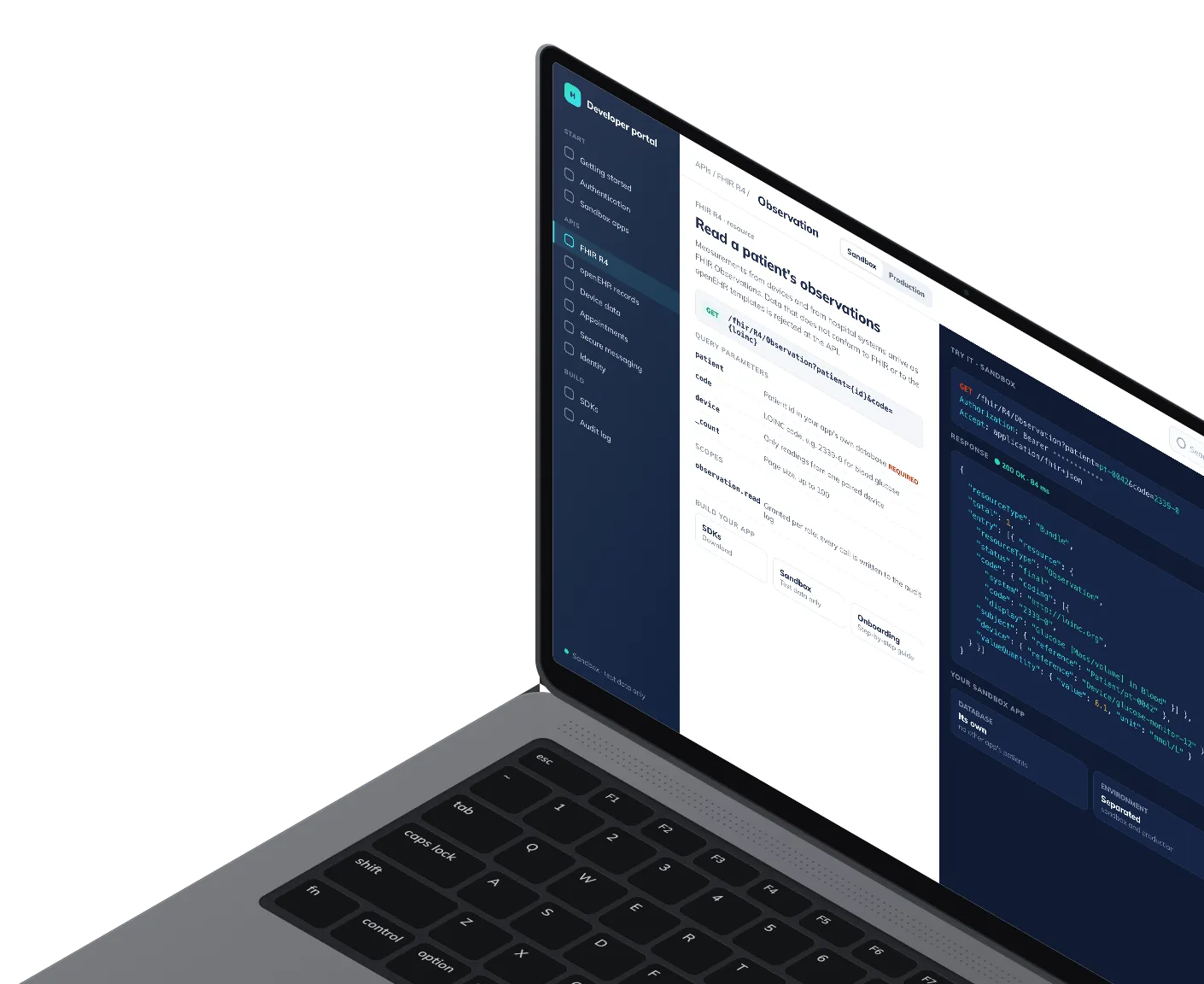
Checks whether the idea can be built the way you plan. Typically up to 1 month, with no discovery phase needed first.


Our MVP development services build the smallest product that tests your idea with real users. 80%+ of our developers are senior-level or above.
Early-stage builds
When the open risk is technical, or whether one use case pays off at all, a proof answers it sooner than an MVP would, and our UI/UX design team can put a clickable prototype in front of the people you plan to sell to.
Checks whether the idea can be built the way you plan. Typically up to 1 month, with no discovery phase needed first.
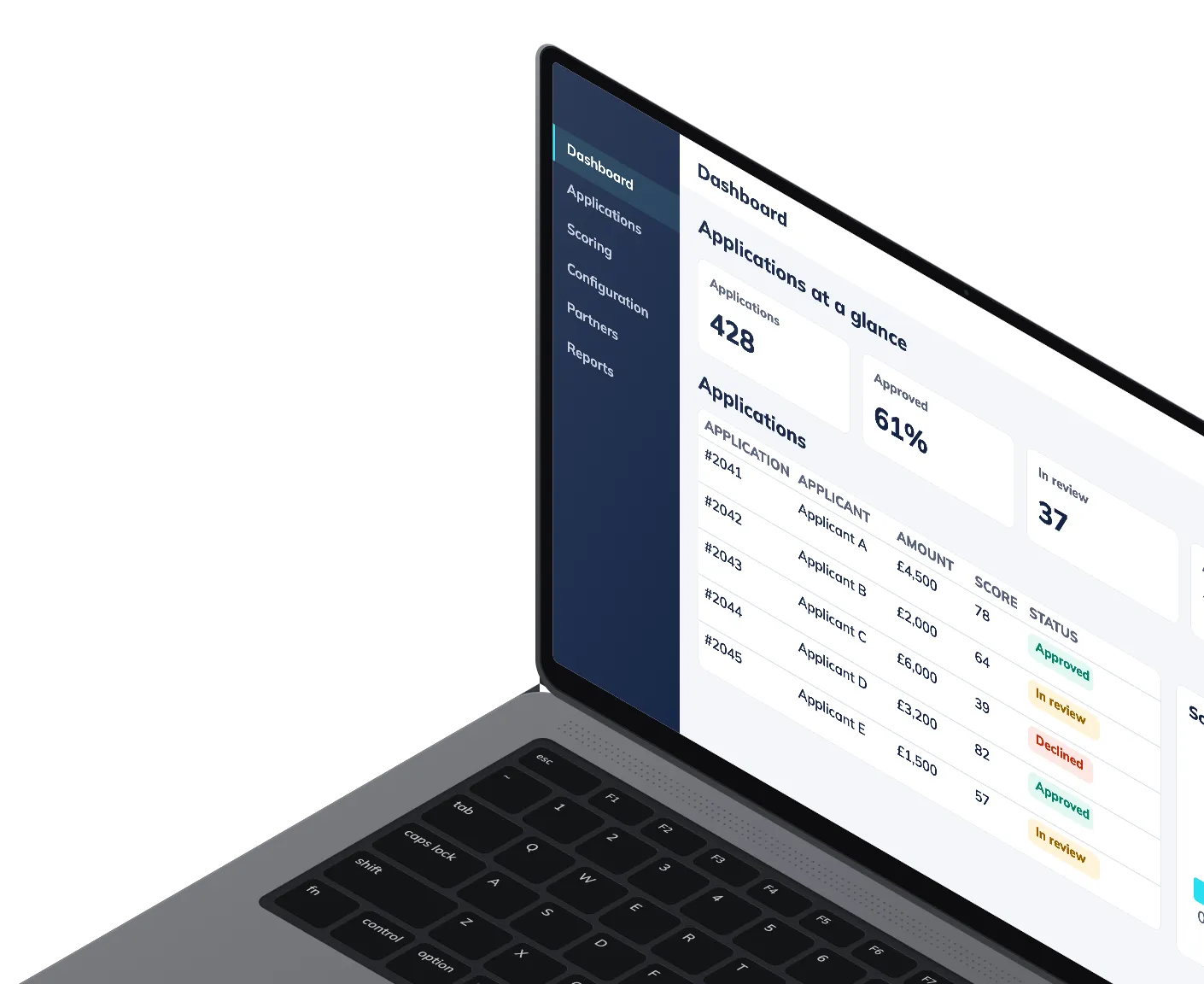
Asks whether your hypotheses bring value in one selected business use case, say, whether automating one approval step saves enough handling time. Typically up to 2 months, also without discovery.


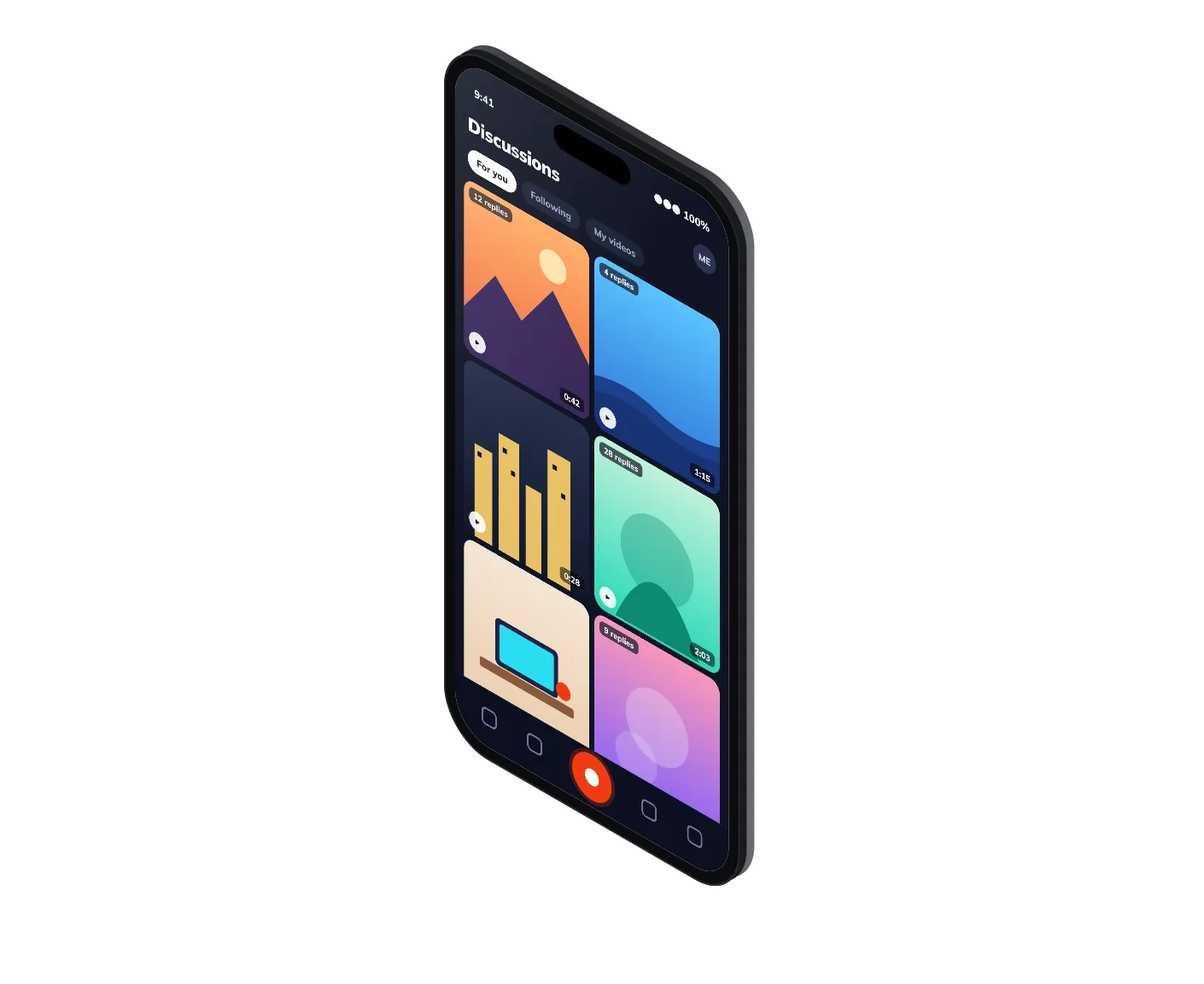
Clickable screens with nothing working behind them, so you see where users stall before any code exists. It is built inside discovery.


The first working release, with only the core features, in front of users who are free to ignore it. Its code carries the next releases. Typically 2 to 4 months, and discovery comes before it.


The first version
An MVP is the first working release of a product, carrying only the features that test your idea, in front of real users. An outside team decides those features with you in discovery, then builds the release and keeps it running after launch. You make the product calls, and you need no tech lead to make them.
Launch with five features to a quiet response and you can't tell which one missed. Launch with two and you can. So the first version carries only what the users you are testing need, and the rest waits in a backlog, reordered once those users have shown what they actually do. When the idea holds, that backlog becomes custom product development on the same code.
Process
We start every MVP with a discovery phase before the build. In it, the idea turns into a backlog in priority order, an architecture, an estimate and a delivery plan that names its risks. The build that follows is planned on those documents.

STEP 1
We write the requirements and the backlog, design the architecture and estimate the build. You choose what makes the first cut.
2–4 weeks

STEP 2
We build the core features in Agile sprints, and our product manager co-owns the roadmap and backlog with you.

STEP 3
Once you accept the milestone, the MVP goes to its first users. Our product manager defines the metrics the MVP is judged on and tracks them.

STEP 4
We keep the live MVP stable while you watch what users do with it.
Cost
Our estimate comes out of discovery, once the requirements and the architecture are on paper. Until then, the useful question is which of these four drivers your idea pushes hardest, because that is where the first cut saves the most.
How many features the first version carries. Sign-in, payments, notifications, an admin panel and a component-library UI can come off the shelf, leaving the budget for the part that is your idea.


If your users live on their phones, launch a mobile app first and add the web later. One Flutter or React Native codebase covers iOS and Android.


Payments, health records, banking data and any other system the MVP must talk to. As an EU company we work under GDPR, and a data processing agreement is signed where we handle your data.


Which roles the build needs, and how soon you want users on it. More people shorten a date only up to a point, after which they mostly add coordination.


How we work
We deliver an agreed scope end to end: plan, team, milestones, QA and release. You make the product decisions and accept each milestone.
Fixed price per milestone after discovery, or time and materials against an estimate.
A short phase before a build: requirements and backlog, architecture, an estimate and a delivery plan.
Fixed price, usually 2–4 weeks.
Our engineers join your team and work in your process and tools. You manage them; we source, vet and contract them.
Hourly rate per engineer by role and seniority, invoiced monthly.
Your MVP would run as project delivery. Send us the idea in a few lines and we will suggest the first step.

Case studies
A UK-based fintech startup arrived with its business logic and scoring rules already defined, which shortened discovery. We built the fair lending platform on Open Banking data, and in the first month after launch our client reached £1M in lending volume.
A Dutch eHealth provider had an idea and no product concept. We turned it into a white-label eHealth platform for its partners to build apps on. The social video app began as an MVP, one Flutter codebase for iOS and Android.
What our client said


Partnering with Octalance was one of the best decisions we made. Starting with just an idea, we came to a full-fledged platform that successfully passed all stringent certifications. A truly reliable and highly skilled partner.
CEO, Dutch eHealth software provider
After launch
Your first users will find bugs no test plan predicted. We fix them, ship updates and small improvements by priority, and monitor the live product. Requests come in through Jira or Slack, and support is usually a retainer plus hours or tickets by priority, agreed per client. We work in CET/CEST business hours by default and shift the schedule to match your day, with response times agreed in your support contract.
What gets built next is your call, based on what users did with the first version. When that next scope is clear enough to plan, we keep building it as a project we deliver end to end. Once you have a tech lead of your own, our full-stack engineers can join your team. Or you take the product in-house and add a product manager for the backlog from our side.
We start with an audit. We read the code, its dependencies and how it is deployed and released, note the missing tests and documentation, and hand you a written findings list with our recommendation on what to fix first. A short handover follows, covering access, environments, runbooks and the previous team's walkthrough where there is one. Support starts after that.
The code usually lives in your repositories, sometimes in ours, and moving the product to another team or in-house is a routine step. Our advice is to open the repository, cloud and app store accounts in your company's name from day one, so a handover only changes who has access. What we hand over if you stop partway is in the FAQ.

"A first version works when it answers one question. We help founders find that question before they pay for the build."

Dzmitry Kuchynski, Chief Operating Officer, Octalance
FAQ
MVP is short for minimum viable product, and viable is the word that matters. A user can finish the job the product exists for, start to end, without someone from your team stepping in to help. If they can't, low usage after launch could mean a wrong idea or an unfinished product, and you won't know which. In business terms, an MVP buys evidence before you pay for the full product.
Any figure before discovery is a guess about a product nobody has defined yet. The discovery phase has its own price and ends in an estimate and a delivery plan for the build, which is the number worth committing to. The full terms are in the Engagement models and terms section.
Usually both, in that order. With us the consulting part is the discovery phase, where an architect, a business analyst and a delivery manager work out what to build, how, and at what cost before anyone writes production code. If your question is narrower, Technology Consulting answers it in writing. A feasibility check says whether the plan can be built as written, which risks decide it and what we would change. A build, buy or partner comparison weighs the options on cost, time and risk.
The route is a discovery phase, then a build with a demo every two weeks, then a launch to your first users. Bring the idea in a few lines, access to the people who know the problem, and any documents or systems that already exist. You don't need code, designs or a tech lead to start. What helps most is a clear picture of who your first users are and how you will reach them, because that decides what makes the first cut and what waits.
Yes. On fixed price you can stop at the end of any milestone, and on time and materials after any of the bi-weekly demos. You pay for the work done up to that point, IP passes to you on that payment, and we hand over the code, the documentation and the discovery outputs. On time and materials, if a demo shows the work heading past the estimate, we say so at that demo and continue only with your approval.
Not if it was built as a first release. A throwaway demo has to be rewritten. An MVP whose architecture was set in discovery can be extended rather than replaced. Our architect also writes down the reason for each technology choice, so whoever maintains the code later, our team or another, knows why it was built that way. Parts still get reworked as usage grows, which is ordinary maintenance.